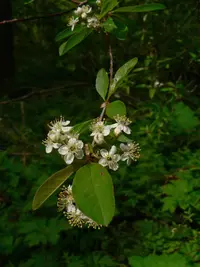
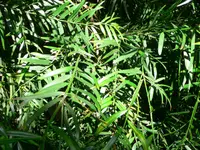
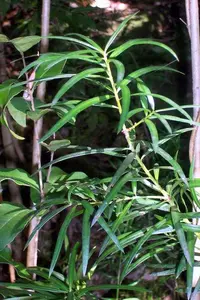
deodar cedar Care (Cedrus deodara)

Also known as: Himalayan Cedar, Deodar, Indian Cedar
deodar cedar

About deodar cedar

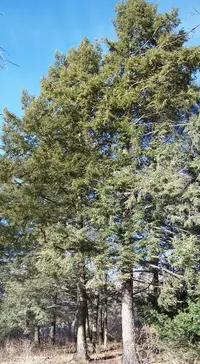
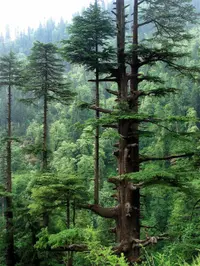
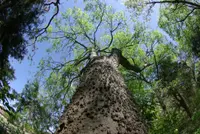
Deodar cedar, Cedrus deodara, is a large evergreen conifer tree known for its graceful, slightly weeping branches and soft blue-green needles. It is most often grown as a landscape specimen rather than a houseplant.

In nature, it comes from the western Himalayas, where it grows on mountain slopes with cool air and good drainage. In gardens, it is valued for its strong central trunk, pyramidal shape when young, and long lifespan.

It prefers full sun, well-drained soil, and moderate moisture, and it dislikes waterlogged conditions. Understanding these basic needs makes it easier to care for deodar cedar in suitable climates.

Main Plant Requirements

Care Difficulty

Moderate Care

Light Preference

Full Sun

Water Requirements

Moderate Water

Temperature Preference

Cold Hardy

Hardiness Zone

7–9

Soil Texture

Sandy, Loamy, Rocky

Soil pH

Acidic (5.5–6.5), Slightly acidic (6.5–7.0)

Soil Drainage

Well-drained

Fertilization

Minimal (feed rarely)

Get Personalized Care Plan

Scan your plant to receive care tips personalized for your specific plant

Available on iOS and Android

How to Care for the deodar cedar

This conifer thrives in full sun but accepts light shade, especially in hotter regions.

  • Provide 6–8 hours of direct sun daily; in hot inland summers, aim for morning sun with light afternoon shade to limit needle scorch.
  • Site deodar cedar where it receives open sky above; avoid tight shade from buildings or dense trees, which causes sparse, elongated growth.
  • In the first 2–3 years, protect young trees from sudden exposure changes; gradual thinning of nearby shade reduces stress and sunburn risk.

Watering should encourage deep roots while avoiding chronically wet soil.

  • For in-ground trees, soak the root zone thoroughly, then let the top 5–8 cm of soil dry before watering again, checking with a finger or trowel.
  • During the first 2–3 growing seasons, water more often in dry spells, then reduce frequency once established, focusing on deep, infrequent soaking.
  • Ensure sharply drained soil; persistent puddling, sour smell, or yellowing, dropping needles suggest overwatering, while browning tips and very dry soil indicate underwatering.

This species prefers temperate climates with cool winters and mild to warm summers.

  • Optimal growth occurs around 50–77°F (10–25°C), with steady development in regions that avoid extreme, prolonged heat or cold.
  • Mature trees tolerate brief drops near -4°F (-20°C), but young plants are safer above 14°F (-10°C), especially in exposed, windy sites.
  • In summer, it copes with 86–95°F (30–35°C) if soil moisture is adequate; mulch the root zone and avoid reflected heat from pavement or walls to reduce stress.

This conifer tolerates relatively dry outdoor air and usually does not need special humidity management.

Cedrus deodara prefers deep, well-structured mineral soil that drains freely yet retains some moisture.

  • Use a loamy or sandy loam soil with moderate organic matter to support root anchorage and steady moisture without waterlogging.
  • Aim for slightly acidic to neutral pH, roughly 6.0–7.0, which supports balanced nutrient availability and root function.
  • For heavier clay sites, incorporate coarse sand or fine gravel plus compost to improve aeration and speed up drainage around the root zone.
  • Avoid compacted, poorly drained, or consistently saturated soil, which increases risk of root rot and weak structural anchoring.

This species can be grown in containers only for the short to medium term, usually as a young or dwarf specimen outdoors.

  • Choose a heavy, wide container that resists tipping, since upright growth and wind exposure can make the plant top-heavy.
  • Select a pot deep enough for a strong taproot and broad lateral roots, not just a shallow, decorative container.
  • Use a fast-draining, gritty mix and elevate the pot slightly so drainage holes remain clear and excess water escapes quickly.

Healthy Cedrus deodara in the ground usually needs little feeding if soil is moderately fertile.

  • Use a balanced slow-release fertilizer (for example 10-10-10) or well-rotted compost in early spring only if growth is weak or needles pale.
  • Apply a light dose around the drip line, keeping granules off the trunk and avoiding heavy applications near young roots.
  • During the growing season, 1 feeding is usually enough; do not feed in late fall or winter to avoid tender, frost-sensitive growth.

Pruning Cedrus deodara should be minimal and focused on safety and structure.

  • Carry out any shaping or corrective work in late winter to very early spring, before active growth starts.
  • Remove dead, diseased, crossing, or storm-damaged branches with clean, sharp bypass pruners or a pruning saw.
  • Avoid cutting the central leader and limit shortening of main branches to preserve the natural, graceful form.
  • Use small, targeted cuts at branch collars and avoid large wounds that heal slowly on conifers.

Cedrus deodara is mainly a landscape tree, so care focuses on transplanting young specimens from containers to the ground.

  • Transplant in early spring or early fall when temperatures are mild to reduce stress and improve root establishment.
  • Look for circling roots at the container edge or very slow growth as a sign the nursery plant is pot-bound and ready to move.
  • Gently tease apart circling roots, set the root ball at the same depth as in the pot, and water deeply to settle soil and remove air pockets.
  • Limit transplanting to once; choose a permanent site with room for mature size, as older trees respond poorly to being moved.

Propagation of Cedrus deodara is possible but slow and usually handled by nurseries rather than home gardeners.

  • Seed propagation uses fresh, stratified seed sown in late winter in a free-draining, sterile mix at cool to moderate temperatures.
  • Semi-hardwood cuttings taken in late summer need rooting hormone, high humidity, and bottom heat for several months to form roots.
  • Provide bright, indirect light, gentle air movement, and very careful watering to avoid damping-off or rot in young seedlings or cuttings.

Established Cedrus deodara is fairly cold hardy but young trees benefit from some winter protection in colder regions.

  • Mulch the root zone with 5–8 cm of bark or wood chips, keeping mulch a few cm away from the trunk to reduce rot risk.
  • In windy or exposed sites, use a breathable burlap screen to limit drying winter winds on young trees.
  • Container-grown specimens in cold climates should be moved into an unheated garage or sheltered spot where temperatures stay above about 15°F.

Care Tips

Wind-aware placement

In windy sites, plant on the leeward side of a building or windbreak so the flexible leading shoots are not repeatedly whipped, which can distort the characteristic graceful form over time.

Leader protection

If the main leader is damaged by storm or mechanical injury, select the strongest upright side shoot, stake it loosely and prune back competing shoots so the tree can re-establish a single dominant leader.

Snow load management

In regions with heavy, wet snow, gently knock snow off the outer, drooping branches with a broom from underneath to reduce breakage, especially on young trees with still-developing wood strength.

Root zone preservation

Keep construction, heavy foot traffic, and soil compaction away from the area under the drip line, and maintain a wide, undisturbed mulch ring to protect the shallow feeder roots that support long-term vigor when growing deodar cedar.

Low-input pest monitoring

Inspect inner branches and the undersides of needles a few times each year for scale insects or mite activity, and address early with horticultural oil sprays during the dormant season if populations begin to build.

Common Pests and Diseases

Coryneum canker

This disease causes sunken, resin-soaked cankers on branches and stems, often with excessive pitch flow and dieback of affected shoots. Symptoms include scattered dead branch tips, especially in the lower crown, that gradually move upward if unmanaged.

Solution

Prune out infected branches 10–15 cm below visible cankers during dry weather and disinfect pruning tools between cuts. Improve tree vigor with proper watering and mulch, avoid trunk and root injury, and where disease pressure is high, consult a local arborist about registered fungicidal sprays as part of broader Cedrus deodara care instructions.

Sirococcus blight

This disease causes browning and death of current-year needles and shoot tips, often starting on lower branches and progressing upward. Symptoms include tiny black fruiting bodies on dead needles and stems, giving a scorched appearance to portions of the canopy.

Solution

Remove and destroy blighted twigs and fallen needles to reduce spore sources, pruning only in dry weather and sterilizing tools between cuts. Increase spacing and airflow around the tree, avoid overhead irrigation that wets foliage, and use a labeled conifer fungicide on new growth in spring if the problem recurs annually.

Deodar weevil

This pest is a small beetle whose larvae tunnel into branches and sometimes the main stem, causing flagging, wilting, and death of individual branch tips. Symptoms include frass (sawdust-like material) at entry holes and scattered dead twigs throughout the crown.

Solution

Promptly prune and discard infested branches showing fresh tunneling and wilting to remove larvae before they mature. Keep the tree healthy through correct watering and avoiding mechanical damage, and in high-value landscapes, coordinate with a certified arborist about timing-targeted trunk or branch sprays when adults are active.

Bark beetles

These insects bore into stressed trees, creating galleries under the bark and disrupting water flow, which leads to fading foliage from green to yellow to reddish brown. Symptoms include pitch tubes or boring dust on the bark and rapid decline of affected sections of the crown.

Solution

Focus on prevention by maintaining tree vigor with deep but infrequent watering during drought and avoiding soil compaction or root damage. Remove and properly dispose of heavily infested trees or major limbs to reduce beetle populations, and in outbreak situations consult a professional about protective insecticide treatments on high-value trees before beetle flights.

Phytophthora root and collar rot

This disease, caused by soilborne water molds, leads to gradual thinning of foliage, stunted growth, and dieback, often in poorly drained or overwatered sites. Symptoms include discolored, decayed roots and dark, sunken lesions at the root collar near soil level.

Solution

Improve drainage by correcting grading, amending heavy soils, or installing French drains, and avoid frequent shallow watering that keeps soil saturated. Remove severely affected trees and avoid replanting deodar cedar in the exact spot; in mild cases, expose the root collar, keep it dry, and consult local specialists about any suitable fungicidal drenches labeled for Phytophthora on conifers.

Interesting Facts

Himalayan snow tolerance

This species is naturally adapted to the western Himalayas and can tolerate heavy snow loads thanks to its strongly drooping branch tips, which help shed snow and reduce breakage.

Distinctive blue-green needles

The needles often have a bluish or silvery cast caused by a waxy coating (epicuticular wax) that reduces water loss and reflects excess light in high-altitude environments.

High-altitude native range

In the wild, it typically grows between about 1,500–3,200 m in the Himalayas, where it forms extensive forests that are important for slope stabilization and local mountain ecosystems.

Botan icon

Did you know?

Deodar cedar is one of the few conifers with a long history as a sacred tree in several cultures, particularly in the Indian subcontinent, where it has been associated for centuries with temple architecture, religious rituals, and the very name of the tree traces back to a Sanskrit term meaning wood of the gods.

FAQs about deodar cedar

Growth is moderate to fast for a conifer, averaging 30–60 cm per year in good conditions. Young trees often grow quicker, then slow somewhat with age. Poor soil, drought, or root restriction will reduce growth.

Grow Healthy Plants with Botan Care

Keep your plants happy and healthy with plant identification, disease detection, and easy care guidance.

Botan plant care app — identify plants on mobile

Explore More Plants