kybean gum Care (Eucalyptus parvula)

kybean gum

About kybean gum

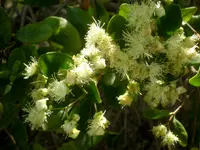
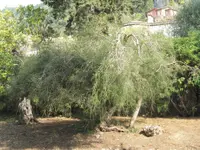
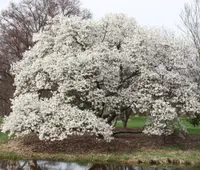
Kybean gum, Eucalyptus parvula, is a small to medium evergreen tree valued for its fine, willow-like foliage and compact growth. It often forms a dense, rounded crown on a single trunk or can be pruned into a multi-stemmed specimen.

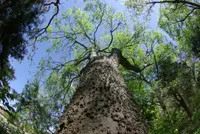
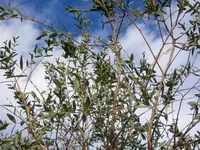
This species is native to cool, higher-altitude regions of New South Wales, Australia, where it experiences mild summers and cold winters. Its small, aromatic leaves and attractive bark make it popular for gardens, screens, and cut foliage.

Eucalyptus parvula tends to be fast-growing, hardy to cold compared with many eucalypts, and relatively tolerant of pruning. It generally prefers full sun, well-drained soil, and steady moisture, which helps guide how to care for kybean gum in temperate gardens.

Main Plant Requirements

Care Difficulty

Moderate Care

Light Preference

Full Sun

Water Requirements

Moderate Water

Temperature Preference

Cold Hardy

Hardiness Zone

7–10

Soil Texture

Sandy, Loamy, Clay

Soil pH

Acidic (5.5–6.5), Slightly acidic (6.5–7.0)

Soil Drainage

Well-drained

Fertilization

Minimal (feed rarely)

Get Personalized Care Plan

Scan your plant to receive care tips personalized for your specific plant

Available on iOS and Android

How to Care for the kybean gum

Eucalyptus parvula prefers bright, direct sun to fuel fast, dense growth.

  • Provide 6–8 hours of direct sun daily; morning sun with light afternoon shade suits many climates, especially hotter regions.
  • Young kybean gum trees tolerate light or dappled shade for part of the day, but growth becomes looser and sparser with less than 4–5 hours of direct light.
  • In hot summers, protect from harsh late-afternoon sun to limit leaf scorch; in winter, ensure the site stays as open and unshaded as possible.

Eucalyptus parvula prefers slightly dry, fast-draining conditions once established.

  • Use sharply draining soil; avoid low spots where water pools for more than a few hours after rain to reduce root rot risk.
  • During the first 1–2 growing seasons, water when the top 3–5 cm of soil feel dry, then soak deeply so moisture reaches the root zone.
  • Mature trees often manage on rainfall; drooping, curling leaves suggest drought stress, while yellowing leaves and soft new growth can indicate overwatering.

This species is relatively cold tolerant but grows best in mild, temperate climates.

  • Optimal growth occurs around 60–80°F (16–27°C), with active extension in spring and early summer when temperatures are moderate.
  • Once established, trees can often tolerate brief drops near 10–15°F (-12 to -9°C), though young plants are less hardy and benefit from protection.
  • In hot regions, short periods up to about 95°F (35°C) are usually tolerated if soil is not waterlogged; avoid planting in frost pockets where cold settles.

This species is comfortable in relatively dry air and rarely needs special humidity management indoors.

  • Target 30–50% humidity; typical heated or air‑conditioned homes fall in this range and are acceptable for kybean gum.
  • Leaves curling inward or turning crispy at the tips can indicate prolonged exposure below about 25% humidity combined with underwatering.
  • If air is extremely dry, group plants together or place the pot on a pebble tray with water below the pot base to slightly raise local humidity.

Eucalyptus parvula prefers lean, fast-draining soil that resists waterlogging and allows ample air around the roots.

  • Use a sandy or loamy mix with coarse texture, such as 2 parts all‑purpose potting mix, 1 part coarse sand, and 1 part fine bark or perlite for aeration.
  • Ensure sharp drainage; water should pass through the profile quickly and never leave the mix soggy for more than a few hours.
  • Aim for slightly acidic to neutral pH (6.0–7.0); avoid strongly alkaline mixes that can reduce nutrient availability.
  • Do not plant in heavy clay or peat-heavy, compacting substrates; incorporate grit, bark, or perlite to prevent root rot and improve gas exchange.

This species adapts well to container growing when the pot is chosen for drainage and stability.

  • Select a tall, relatively narrow container to encourage a deep, anchoring root system that helps stabilize the developing tree crown.
  • Choose a heavier material such as ceramic or thick-walled terracotta to reduce tipping risk in wind as the canopy becomes top‑heavy.
  • Elevate the pot slightly on feet or blocks so drainage holes remain unobstructed, allowing rapid runoff after thorough watering.

Eucalyptus parvula is fast-growing and benefits from light, controlled feeding in containers or poor soils.

  • Use a balanced slow-release NPK fertilizer or well-rotted compost for potted or newly established trees.
  • Feed lightly every 6–8 weeks during spring–summer; avoid fertilizing in late fall and winter.
  • Apply at 1/2–3/4 label strength to reduce salt stress, especially for young roots.
  • For kybean gum grown in the ground on decent soil, skip fertilizer unless growth is clearly weak.

Pruning Eucalyptus parvula helps manage size, keep a strong framework, and maintain healthy foliage.

  • Carry out structural pruning in late winter or very early spring before vigorous growth starts.
  • Remove dead, damaged, rubbing, or inward-growing branches to improve airflow and reduce disease risk.
  • Shorten or thin crowded shoots to control height and encourage bushier juvenile foliage.
  • Use clean, sharp bypass pruners or a pruning saw, cutting just above a bud or branch collar.

Eucalyptus parvula is usually grown in the ground, so focus on careful transplanting rather than frequent repotting.

  • Transplant young trees in early spring or early fall so roots establish before heat or hard frost.
  • Look for roots circling the container, very quick drying, or slowed growth as signs a potted plant needs a larger pot or planting out.
  • Move up only 1–2 pot sizes or plant into a well-drained, slightly larger hole, teasing circling roots gently apart.
  • Water deeply after planting, keep soil evenly moist for several weeks, and avoid heavy root disturbance to reduce stress.

Propagation of Eucalyptus parvula is most reliable from seed, with cuttings successful only under controlled conditions.

  • Sow fresh seed in late winter–spring in a free-draining, low-nutrient mix kept at 65–75°F.
  • Provide bright light, constant slight moisture, and good air movement to limit damping-off, a common seedling disease.
  • Transplant seedlings carefully once they have several true leaves, avoiding damage to the fine roots.
  • Semi-hardwood cuttings need bottom heat, high humidity, and rooting hormone, but success rates can be low.

Eucalyptus parvula is relatively cold hardy but still benefits from some winter attention in cooler regions.

  • Mature trees tolerate light to moderate frosts; young plants are more sensitive below about 15–20°F.
  • Apply a 5–8 cm mulch layer around the root zone, keeping it slightly away from the trunk to reduce rot risk.
  • In very cold or windy sites, use a breathable frost cloth around young stems to limit freeze damage.
  • Move container plants to a bright, cool, frost-free spot and water sparingly so the rootball does not dry out completely.

Care Tips

Wind conditioning

If planting in a windy site, lightly stake young trees for the first 1–2 years but allow some trunk movement so the wood strengthens and the plant develops a stable root system.

Formative framework pruning

In the first 3–5 years, selectively remove steeply upright or rubbing branches and keep 3–5 well-spaced main limbs to build a strong, open crown that resists storm damage.

Coppice for foliage

To maintain a bushy plant with juvenile foliage, cut stems back hard to 15–30 cm above ground every 1–3 years in late winter, then thin new shoots so only the strongest 5–8 remain.

Root barrier planning

When planting near hardscape or drains, install a vertical root barrier 45–60 cm deep on the side of paths or pipes to direct roots downward and reduce the risk of surface lifting.

Summer mulch management

Maintain a 5–8 cm layer of coarse organic mulch around, but not touching, the trunk to stabilize soil moisture and temperature, and refresh it yearly as part of caring for kybean gum.

Common Pests and Diseases

Myrtle rust

This disease causes yellow powdery pustules on young leaves, shoots, and sometimes stems, often leading to leaf distortion and dieback of tender growth.

Solution

Remove and dispose of heavily infected shoots, avoid overhead watering, and improve airflow around the plant; in regions where myrtle rust is established, use a labeled systemic fungicide on new flushes of growth and monitor regularly as part of Eucalyptus parvula care.

Longhorn borer

This pest tunnels into trunks and branches, causing internal galleries that weaken the wood and may lead to branch dieback or snapping, especially in stressed trees.

Solution

Prune and destroy infested or dying branches, keep the tree vigorous through proper watering and mulching to reduce stress, and where allowed use trunk or soil-applied systemic insecticides as a preventive measure in high-risk areas.

Psyllids

These insects feed on new foliage, causing pitting, curling, and sometimes blister-like galls; heavy infestations can leave leaves sticky with honeydew and covered in sooty mold.

Solution

Hose down foliage to dislodge nymphs, encourage natural predators such as lady beetles, and use horticultural oil or insecticidal soap targeted at the undersides of young leaves, repeating as new flushes appear.

Leaf spot

This disease produces brown to dark purple spots on leaves that may merge into larger lesions, sometimes leading to premature leaf drop in young or stressed plants.

Solution

Remove and discard fallen and heavily spotted leaves, avoid wetting foliage, space plants to improve air circulation, and apply a copper-based or other labeled fungicide if spotting continues to spread on new growth.

Scale insects

These insects appear as small, fixed bumps on stems and leaves, sucking sap and causing yellowing, leaf drop, and sticky honeydew that can support sooty mold growth.

Solution

Wipe or scrape off small colonies by hand, prune heavily infested twigs, and treat remaining populations with horticultural oil, making sure to coat stems and leaf undersides thoroughly and repeating according to label directions.

Interesting Facts

Naturally dwarf woodland tree

Eucalyptus parvula is one of the smallest cold-tolerant eucalypts, typically forming a compact tree with a dense, fine-textured crown rather than the very tall form seen in many eucalyptus species.

Distinct juvenile and adult foliage

This species holds rounded, opposite juvenile leaves on many branches for a long time, while also producing narrower, sickle-shaped adult leaves, giving a mixed-age canopy that is valued in floristry.

Cool-climate native range

It is naturally found in cool, high-rainfall areas of New South Wales and the Australian Capital Territory, often along creeks and in grassy woodlands, which explains its relatively good tolerance of frost compared with many other eucalypts.

Botan icon

Did you know?

Eucalyptus parvula was long confused with closely related species and only formally recognised under its current name in the late 20th century, so much of the older literature and nursery trade still lists it under misapplied names such as Eucalyptus parvifolia.

FAQs about kybean gum

This species is generally fast-growing, often adding 60–120 cm of height per year once established. Growth slows in poor soil, dry conditions, or exposed sites. Regular pruning controls size and encourages a denser canopy.

Grow Healthy Plants with Botan Care

Keep your plants happy and healthy with plant identification, disease detection, and easy care guidance.

Botan plant care app — identify plants on mobile

Explore More Plants