Salinity management
If irrigating with non-potable or slightly saline water, flush the root zone with low-salinity water every 4–6 weeks to prevent salt buildup that can reduce growth and leaf quality.

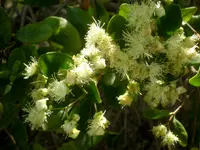
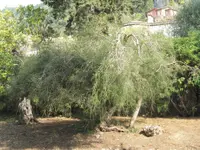
Myrceugenia exsucca, often called petra in cultivation, is an evergreen shrub to small tree from wet habitats in Chile and Argentina. It naturally grows along riverbanks and swampy ground, forming dense, branching thickets.
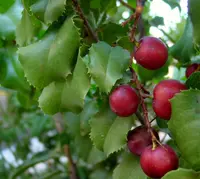
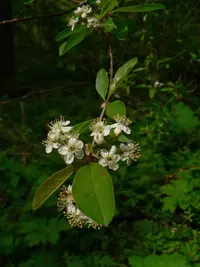
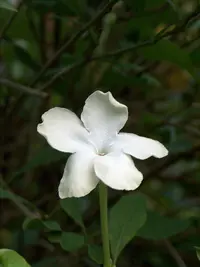
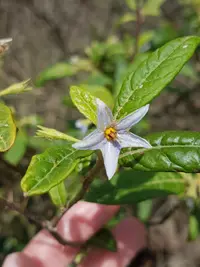
The plant has small, glossy green leaves and a compact, bushy habit that can be shaped with pruning. Its subtle flowers and berries are secondary to its tidy foliage and structure.
Myrceugenia exsucca prefers consistent moisture, cool to mild temperatures, and well-drained but humus-rich soil, which influences how to care for petra in gardens or containers.

Care Difficulty
Moderate Care

Light Preference
Partial Sun

Water Requirements
Aquatic

Temperature Preference
Cool Climate

Hardiness Zone
8–10

Soil Texture
Loamy, Silty, Organic-rich

Soil pH
Acidic (5.5–6.5), Slightly acidic (6.5–7.0)

Soil Drainage
Waterlogged tolerant

Fertilization
Minimal (feed rarely)
Scan your plant to receive care tips personalized for your specific plant
Available on iOS and Android
Myrceugenia exsucca prefers bright, cool sun exposure that mimics its native riverside habitats.
Myrceugenia exsucca prefers consistently moist but not waterlogged soil, especially in active growth.
This species prefers mild, oceanic-type conditions with limited temperature extremes.
This species prefers moderately moist air but adapts to a range of outdoor humidity levels.
Myrceugenia exsucca prefers deep, consistently moist yet aerated soil that does not stay stagnant or compacted.
This species can be grown in containers, especially in cooler or experimental plantings.
Myrceugenia exsucca grows well in reasonably fertile soil but benefits from light, consistent feeding in containers or poor ground.
Myrceugenia exsucca responds well to light structural pruning that maintains a healthy, stable framework.
This species is typically grown in the ground, so care focuses more on planting and later transplanting than frequent repotting.
Myrceugenia exsucca is usually propagated from semi-ripe cuttings or seeds under controlled conditions.
Myrceugenia exsucca is moderately cold tolerant but benefits from basic winter protection in colder regions.

Plant Health Check
Not sure what's wrong with your plant? Check your plant's health inside the app.
This species is naturally restricted to waterlogged peat and swamp forests in south-central Chile and adjacent Argentina, often forming dense stands along slow rivers and lake margins.
The trunk and older branches develop thin, peeling bark that reveals lighter inner layers and release a noticeable aromatic scent when crushed, a characteristic trait of many myrtle family members but particularly marked in this species.
Its small, dark berries are an important seasonal food source for several native birds in Patagonian wetlands, which also act as the main dispersers of its seeds across flooded habitats.

In its native range, this species is considered a key structural tree in endangered Patagonian swamp forests, helping stabilize saturated soils and maintain year-round water regimes that support a highly specialized wetland flora and fauna.
Growth is moderately fast in suitable conditions. Young plants may add 20–40 cm of height per year, slowing as they mature. Rate depends on climate, soil fertility, moisture, and root space. Regular pruning maintains structure.
Keep your plants happy and healthy with plant identification, disease detection, and easy care guidance.