devil's needles Care (Solanum stelligerum)

devil's needles

About devil's needles

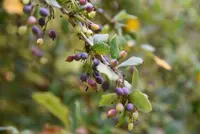
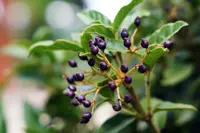
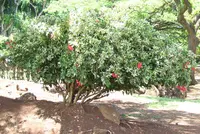
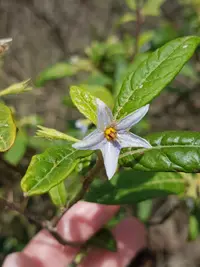
Devil's needles, Solanum stelligerum, is a small shrub in the nightshade family, native to coastal and woodland areas of eastern Australia. It usually grows with a loose, branching habit and bears small star-shaped flowers followed by bright, round berries. The plant often appears somewhat open and delicate, with thin stems and scattered foliage. It is adapted to mild, frost-free climates and can self-seed where conditions suit it. In cultivation, it prefers light, well-drained soil and regular but not excessive moisture. Gardeners who care for devil's needles should note that it is generally undemanding but may need protection from hard frost and very dry periods.

Main Plant Requirements

Care Difficulty

Moderate Care

Light Preference

Full Sun

Water Requirements

Moderate Water

Temperature Preference

Warm Climate

Hardiness Zone

9–11

Soil Texture

Sandy, Loamy, Organic-rich

Soil pH

Acidic (5.5–6.5), Slightly acidic (6.5–7.0)

Soil Drainage

Well-drained

Fertilization

Minimal (feed rarely)

Get Personalized Care Plan

Scan your plant to receive care tips personalized for your specific plant

Available on iOS and Android

How to Care for the devil's needles

This shrub prefers bright conditions and copes well with a range of outdoor light exposures.

  • Provide 4–6 hours of direct morning sun with light afternoon shade; dappled light under high trees suits devil's needles well.
  • In hotter regions, protect from harsh sun between 1–4 p.m. to reduce leaf scorch and excessive drying of the root zone.
  • In light shade, flowering may decline; if stems stretch or foliage thins, gradually move the plant to a brighter position over 1–2 weeks.

This species prefers evenly moist but not saturated soil, with brief drying between waterings.

  • Before watering, let the top 3–5 cm of soil dry; check by pushing a finger into the soil rather than following a fixed schedule.
  • During active growth in spring and summer, increase watering frequency, but ensure free drainage so water does not pool around the roots.
  • Signs of overwatering include yellowing lower leaves and soft stems; dry, curling leaves and rapid wilting suggest the Solanum stelligerum needs more frequent deep watering.

This plant grows best in mild, frost-free climates with moderate seasonal variation.

  • Aim for 65–80°F (18–27°C) during active growth, which supports steady shoot and root development.
  • It tolerates brief dips to about 30–32°F (-1–0°C), but repeated frosts can damage young shoots and reduce long-term vigor.
  • In hot weather above 90°F (32°C), mulch the root zone and provide some afternoon shade to limit heat stress and moisture loss.

This species handles typical indoor humidity but grows best with moderate moisture in the air.

  • Aim for 40–60% humidity, which suits both indoor and outdoor potted plants.
  • Dry air may cause leaf tip browning and slightly curled, dull foliage, especially in heated rooms.
  • Increase humidity by grouping plants, placing the pot on a pebble tray with water, or running a small nearby humidifier for devil's needles.

This shrub prefers loose, well-draining, moderately fertile soil for healthy growth.

  • Use a sandy or loamy mix with 30–40% compost and added coarse material to prevent compaction.
  • Ensure fast drainage by blending in coarse sand or perlite so water clears the pot within a few minutes of watering.
  • Keep pH slightly acidic to neutral, around 6.0–7.0, avoiding very alkaline or saline conditions.
  • Avoid heavy clay, waterlogged spots, or soils that crust on top, which reduce root aeration and increase rot risk for Solanum stelligerum.

This species adapts well to container growing when given enough root space and drainage control.

  • Choose a deep, stable pot to support its woody framework and prevent tipping in wind or when fruiting heavily.
  • Use a pot material with moderate breathability, such as thick terracotta or fabric, to reduce prolonged waterlogging after rain or heavy watering.
  • Raise the container slightly on pot feet or bricks so drainage holes stay clear and excess water exits quickly, protecting lower roots from saturation.

Solanum stelligerum benefits from light, structured feeding rather than heavy fertilization.

  • Use a balanced NPK liquid fertilizer at 1/2 strength or a mild slow-release product for container-grown devil's needles.
  • Feed every 4–6 weeks during the warm growing season when active shoot and leaf growth are visible.
  • Skip synthetic fertilizer in winter; growth slows and excess nutrients can cause weak, lush growth or root stress.
  • On poor soils, incorporate a thin surface layer of mature compost in spring to support steady nutrition.

Pruning Solanum stelligerum focuses on keeping the shrub healthy and compact rather than heavily shaped.

  • Plan main pruning for late winter or early spring before strong new growth begins.
  • Remove dead, diseased, or storm-damaged stems first, cutting back to healthy wood with clean bypass pruners.
  • Thin out crowded interior branches to improve light and air movement and to support balanced, bushy structure.
  • Lightly shorten overly long shoots after flowering to maintain size while preserving next season’s fruiting wood.

Solanum stelligerum is usually grown in the ground, so care focuses on thoughtful transplanting and occasional container upsizing.

  • Transplant or up-pot in early spring or early fall when temperatures are mild and soil moisture is stable.
  • Look for roots circling the pot, drying out quickly, or noticeably slowed growth as signs a container plant needs a larger space.
  • Move up only 1–2 pot sizes, keep the root ball intact, and backfill with well-drained mix to limit root disturbance.
  • Water thoroughly after planting, shade from harsh sun for 3–5 days, and keep soil evenly moist to reduce transplant shock.

Solanum stelligerum is commonly propagated from seed, with semi-ripe cuttings as a useful secondary method.

  • Collect fully ripe berries, extract and rinse seeds, then surface-sow in spring in a free-draining seed-starting mix.
  • Maintain 68–75°F, bright indirect light, and lightly moist substrate to support steady germination.
  • For cuttings, take 8–10 cm semi-ripe tips in late spring or summer, removing lower leaves.
  • Insert cuttings into a moist, well-aerated medium, cover to maintain high humidity, and provide bottom warmth if possible.

In mild climates Solanum stelligerum needs only modest winter care, but young or potted plants benefit from extra attention.

  • In regions with light frost, apply a 5–8 cm mulch around the root zone, keeping it slightly away from the stem.
  • In colder areas, grow in containers and move plants to a bright, frost-free spot before temperatures drop below 32°F.
  • Avoid heavy pruning late in the season so stems have time to harden before freezing conditions.
  • Water sparingly in winter, keeping soil just barely moist to prevent root rot in cool, low-light conditions.

Care Tips

Fruit load management

Pinch off a portion of young flower clusters so remaining fruits size up better and the shrub does not exhaust itself, especially on young or recently transplanted plants.

Structural branch support

Stake or tie in long, fruit-laden stems to a discreet cane or low trellis to prevent breakage and keep fruits off the ground where they are more prone to rot and pest damage.

Targeted pest scouting

Inspect the undersides of leaves and fruiting stems every 7–10 days for small sucking insects or caterpillars, and spot-treat only affected areas with insecticidal soap or horticultural oil to avoid unnecessary whole-plant spraying.

Mulch for root stability

Apply a 5–8 cm layer of coarse organic mulch around, but not touching, the stem base to buffer root temperature, reduce soil splash onto lower leaves, and limit weed competition.

Seasonal renewal pruning

After the main fruiting period, remove the oldest, most exhausted stems at the base to encourage vigorous new shoots that will carry heavier crops when growing devil's needles in subsequent seasons.

Common Pests and Diseases

Tomato russet mite

This pest feeds on the underside of leaves and young stems, causing bronzing, yellowing, and a dry, scorched appearance on Solanum foliage. Symptoms include progressive leaf drop and stunting, often starting low on the plant and moving upward.

Solution

Remove and discard heavily damaged leaves and any severely infested stems. Improve air movement around the plant, avoid overhead watering, and treat remaining foliage with a sulfur-based miticide or horticultural oil labeled for russet mites, repeating as directed to break the life cycle.

Two-spotted spider mite

These insects puncture leaf cells and suck out sap, leading to fine speckling, dulling of leaf color, and fine webbing on the undersides of leaves in warm, dry conditions. Severe infestations can cause leaf curl, bronzing, and premature leaf drop.

Solution

Rinse foliage thoroughly with a firm stream of water, especially the underside of leaves, then allow the plant to dry with good air circulation. If populations persist, apply insecticidal soap or horticultural oil to all leaf surfaces at 5–7 day intervals, and maintain higher humidity to slow mite reproduction as part of long-term Solanum stelligerum care.

Tomato fruitworm

This pest bores into young fruits and sometimes tender shoots, leaving entry holes filled with frass and causing internal feeding damage. Symptoms include misshapen or prematurely dropping berries and chewed foliage near feeding sites.

Solution

Hand-pick and destroy caterpillars and any damaged fruits as soon as they are noticed. Use Bacillus thuringiensis (Bt) formulations targeted at caterpillars on foliage and developing fruit in the evening, and reduce nearby weeds and volunteer solanaceous plants that can host the larvae.

Early blight

This disease causes brown leaf spots with concentric rings, often starting on older leaves, followed by yellowing and drop. In humid or wet conditions, lesions may enlarge and coalesce, reducing photosynthetic leaf area and overall vigor.

Solution

Remove and discard affected leaves promptly and avoid overhead irrigation to keep foliage as dry as possible. Improve spacing and airflow, mulch soil to reduce splash, and, if needed, apply a copper-based or chlorothalonil fungicide labeled for early blight at the first sign of spots, following label intervals until conditions dry out.

Bacterial spot

Symptoms include small, dark, water-soaked spots on leaves and sometimes fruit, often surrounded by yellow halos that can lead to leaf drop in warm, wet weather. Severe cases can cause scorched-looking foliage and blemished berries that are more prone to secondary rots.

Solution

Prune out and dispose of infected leaves and shoots, disinfecting tools between cuts using 10% bleach or 70% alcohol. Avoid working with plants when wet, reduce overhead watering, and apply a copper-based bactericide labelled for bacterial spot at regular intervals during warm, humid periods to limit spread.

Interesting Facts

Star-like berry clusters

The species name stelligerum refers to the star-like arrangement of its small orange-red berries around the stem, giving fruiting branches a distinctly radiating appearance.

Specialist bird food source

In its native range in eastern Australia, the bright fruits are eaten by a range of small birds, which disperse the seeds after passing them through the gut.

Coastal scrub specialist

This shrub commonly occurs in coastal heath and open forest on sandy, well-drained soils, where it tolerates wind exposure and relatively low soil fertility.

FAQs about devil's needles

Yellowing leaves usually come from overwatering, poor drainage, or nutrient deficiency, especially nitrogen. Check soil moisture, improve drainage, and apply a balanced, slow-release fertilizer. Older leaves yellowing first is often a normal age-related process.

Grow Healthy Plants with Botan Care

Keep your plants happy and healthy with plant identification, disease detection, and easy care guidance.

Botan plant care app — identify plants on mobile

Explore More Plants