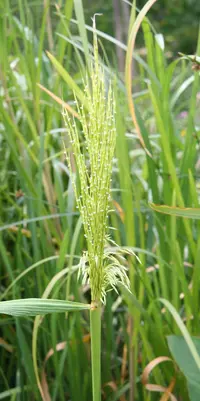
Mangrove Fern Care (Acrostichum speciosum)

Mangrove Fern

About Mangrove Fern

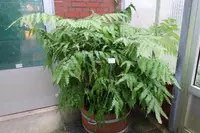
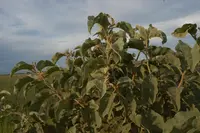
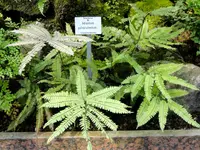
The mangrove fern, Acrostichum speciosum, is a large, evergreen fern that naturally grows in coastal mangrove swamps and brackish wetlands. It forms dense clumps of upright fronds that can look almost shrub-like in mature plants.

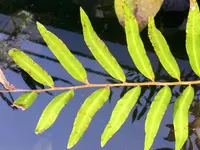
Fronds are leathery, simple, and often glossy green, giving the plant a sturdy, architectural appearance rather than the delicate look of many forest ferns. It is adapted to high humidity, salt-tolerant conditions, and periodic flooding, which can make indoor cultivation challenging.

Those conditions mean it suits experienced growers or collections that can provide stable warmth, moisture, and bright filtered light. Understanding these natural habitats helps clarify how to care for Mangrove Fern in containers or specialized water garden setups.


Main Plant Requirements

Care Difficulty

Moderate Care

Light Preference

Partial Sun

Water Requirements

Aquatic

Temperature Preference

Tropical / Frost Sensitive

Hardiness Zone

10–12

Soil Texture

Sandy, Loamy, Organic-rich

Soil pH

Acidic (5.5–6.5), Slightly acidic (6.5–7.0)

Soil Drainage

Waterlogged tolerant

Fertilization

Minimal (feed rarely)

Get Personalized Care Plan

Scan your plant to receive care tips personalized for your specific plant

Available on iOS and Android

How to Care for the Mangrove Fern

This coastal fern prefers bright, warm conditions that mimic open mangrove edges.

  • Provide 3–6 hours of gentle morning sun with bright, filtered light the rest of the day; avoid harsh, direct afternoon sun in hot climates.
  • Tolerates partial shade, but fronds may grow longer and looser if light is below about 3 hours of sun; Mangrove Fern becomes sparse in deep shade.
  • In cooler seasons, allow a bit more direct sun, while in summer use taller plants or light shade cloth to reduce leaf scorch.

This species is adapted to consistently wet, even brackish, conditions and dislikes drying out fully.

  • Maintain soil that is saturated or very moist; in garden sites, choose spots that stay wet or water whenever the surface starts to lose its sheen, before it feels dry to the touch.
  • In warm weather, monitor more often, as fronds may droop and feel limp if the plant is drying; crisp brown tips usually indicate repeated underwatering.
  • Avoid stagnant, foul-smelling water; although Acrostichum speciosum tolerates flooded soils, some slow movement or periodic flushing helps limit rot and salt buildup.

This fern is a true tropical to subtropical species and grows best in consistently warm conditions.

  • Optimal growth occurs around 75–86°F (24–30°C); growth slows noticeably below 68°F (20°C) and may pause if cool weather persists.
  • Tolerates brief dips to about 50°F (10°C) but is highly sensitive to frost; exposure near 32°F (0°C) can kill young fronds and damage crowns.
  • Handles hot spells up to 95°F (35°C) if roots stay wet and soil does not dry; in extreme heat, provide light shade and avoid hot, drying winds.

This coastal fern appreciates high humidity but adapts if moisture around the fronds stays fairly consistent.

  • Aim for 60–80% humidity to mimic its natural mangrove edge habitat.
  • Tolerates short spells of 40–50% air, but frond tips may brown and curl if air stays too dry.
  • If Mangrove Fern shows crisping edges, increase humidity with grouped plants, pebble trays, or a nearby humidifier.

This species thrives in moist, organic, slightly salty substrates but can adapt to rich, consistently damp garden or container mixes without standing water.

  • Use a deep, organic-rich mix with loamy texture, blending compost, peat or coco coir, and 20–30% coarse sand for structure.
  • Aim for slow-draining but aerated soil that stays evenly moist; add fine bark or pumice to prevent compaction around roots.
  • Target a slightly acidic to neutral pH of 6.0–7.0, avoiding strongly alkaline or highly amended limy soils.
  • For Acrostichum speciosum grown away from brackish sites, avoid heavy clay that holds stagnant water and crusted, bone-dry substrates.

This fern can be grown in containers if given a stable, moisture-retentive but not waterlogged environment.

  • Choose a wide, heavy pot to anchor the tall, arching fronds and reduce tipping in wind-exposed spots.
  • Use a deep container that allows rhizomes and roots to spread downward without crowding near the surface.
  • Select thicker-walled clay or ceramic pots outdoors to moderate temperature swings and reduce rapid drying of the mix.

In most coastal plantings, Mangrove Fern needs only light feeding to support steady growth.

  • Use a balanced slow-release fertilizer (for example 10-10-10) or a thin layer of compost at the start of spring growth.
  • Apply at low strength, about 1/2 the label rate, to avoid salt and nutrient buildup in wet soils.
  • In active growth, feed once every 8–10 weeks; skip if foliage is already lush and soil is rich.
  • Stop or greatly reduce fertilizing in late fall and winter when growth slows.

Pruning Acrostichum speciosum is mainly done to keep the clump tidy and healthy.

  • Best time is late winter or early spring before strong new fronds emerge.
  • Remove dead, diseased, wind-burned, or badly damaged fronds at the base using clean, sharp pruners.
  • Thin a few crowded older fronds to improve air flow and light penetration into the clump.
  • Avoid cutting young unfolding fronds, which reduces vigor and delays new growth.

This fern is usually grown in the ground, but container plants or young stock may need occasional transplanting.

  • Check for roots circling the pot, water draining too fast, or slowed growth as signs it needs a larger container or in-ground planting.
  • Transplant in warm weather, ideally late spring to early summer, when roots recover fastest.
  • Plan on moving container plants every 2–3 years into a pot 2–5 cm wider, using moisture-retentive, organic-rich mix.
  • Keep the root ball intact, plant at the same depth, water thoroughly, and shade for 3–7 days to reduce stress.

Acrostichum speciosum is typically propagated by division or spores under warm, humid conditions.

  • Divide mature clumps in late spring, lifting a section with several healthy fronds and firm rhizomes.
  • Replant divisions into saturated, organic-rich soil and keep consistently moist until established.
  • For spores, collect ripe, brown sori from undersides of fronds and sow on sterile, damp medium.
  • Maintain high humidity, gentle warmth around 70–80°F, and bright, indirect light for germination.

In mild, frost-free climates this fern needs little special winter attention outdoors.

  • It is frost sensitive and damaged by freezing temperatures below about 32°F, especially prolonged cold.
  • Mulch the root zone with 5–8 cm of organic material in borderline climates to buffer soil temperature.
  • In containers, move plants indoors or into a frost-free greenhouse before the first hard frost.

Care Tips

Brackish water use

If local regulations and access allow, occasionally irrigate with slightly brackish water (low salinity, such as diluted seawater) to mimic natural estuarine conditions and maintain this fern’s salt tolerance, but always test salinity first and avoid use in containers with poor drainage.

Rhizome spacing

When planting in the ground or large tubs, leave 20–30 cm between rhizomes to allow sturdy clump development and easier access for removing old fronds and monitoring for rot.

Bank stabilization

On pond or creek margins, position plants on gently sloping banks so the lower roots can access periodic flooding while the rhizome remains just above the usual waterline, which helps prevent crown rot and stabilizes soil.

Wind protection

In exposed coastal sites, install low windbreaks or plant on the leeward side of structures to reduce tearing of the large fronds and to keep new growth upright and intact.

Heavy-frond management

Where fronds become large and top-heavy, thin out the oldest or storm-damaged fronds at the base so air and light reach the crown, which supports healthier new growth when growing Mangrove Fern in dense plantings.

Common Pests and Diseases

Scale insects

This pest feeds on fronds and midribs, sucking sap and causing yellowing, stunting, and sticky honeydew on the leathery leaves.

Solution

Wipe fronds and rachises with a soft cloth dipped in diluted insecticidal soap, then rinse with fresh water; repeat weekly until no new scales appear. In outdoor or greenhouse settings, encourage natural predators such as lady beetles and avoid broad-spectrum chemicals, which can disrupt the mangrove-edge ecosystem where this fern often grows.

Mealybugs

These insects shelter in frond bases and along the midrib, producing white cottony masses and honeydew that can lead to sooty mold on the tough fronds.

Solution

Use a cotton swab dipped in isopropyl alcohol (70%) to dab visible colonies, then wash the plant thoroughly with lukewarm water to remove residues. Improve air movement around the fern and avoid excess nitrogen fertilization, which can stimulate soft new growth that mealybugs prefer.

Leaf spot

This disease causes reddish-brown to dark brown spots or patches on fronds, sometimes with a yellow halo, especially in warm, stagnant, brackish conditions.

Solution

Remove and discard affected fronds to reduce spore spread, and increase water movement or air circulation around the plant while keeping the crown free of decaying debris. If growing Mangrove Fern in containers or constructed wetlands, avoid overhead watering and space plants to allow quick frond drying.

Salt stress chlorosis

Symptoms include pale, yellowing fronds and marginal burn when plants experience salinity outside their natural brackish range, either too low for long periods or excessively high.

Solution

Adjust irrigation to match moderate brackish conditions if possible, using slightly saline water rather than pure fresh water, and avoid sudden shifts in salinity. Flush containers occasionally with suitable water to prevent salt crusting at the soil surface, and keep the root zone consistently wet but not stagnant with decomposing organic matter.

Interesting Facts

True mangrove fern

This species is one of very few ferns adapted to live naturally in mangrove and tidal swamp habitats, tolerating regular saltwater flooding that would kill most other ferns.

Salt excreting fronds

The leathery fronds can excrete excess salt through special glands, then shed older leaves to remove accumulated salt and protect the growing tissues.

Nursery for young fish

Dense stands in mangrove creeks and estuaries create shaded underwater structure where juvenile fish, shrimps, and crabs find shelter from predators and strong currents.

Botan icon

Did you know?

Palaeobotanical and biogeographic studies indicate that this fern has maintained a mangrove-associated lifestyle across a wide Indo-Pacific range for a very long time, making it one of the most consistently coastal-adapted ferns known.

FAQs about Mangrove Fern

Growth is moderate. In warm, consistently moist conditions, this plant usually adds 15–45 cm of height per year. Cooler temperatures, low humidity, or irregular moisture slow development, while nutrient-rich, organic substrates support stronger, more regular frond production.

Grow Healthy Plants with Botan Care

Keep your plants happy and healthy with plant identification, disease detection, and easy care guidance.

Botan plant care app — identify plants on mobile

Explore More Plants