wolf-apple Care (Solanum lycocarpum)

wolf-apple

About wolf-apple

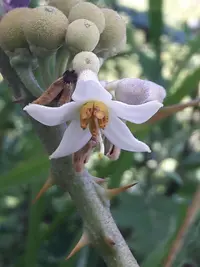
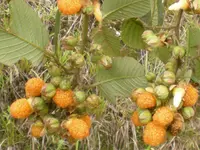
Wolf-apple, Solanum lycocarpum, is a woody shrub or small tree in the nightshade family, native to savanna regions of central Brazil. It forms a rounded crown with thick, often irregular branches and large, slightly hairy leaves, and produces pale flowers followed by yellow, egg-shaped fruits. In nature it grows in open, sunny habitats with well-drained, often poor soils and marked dry seasons, which makes it fairly drought-tolerant once established. For home growers, it suits warm climates and needs strong light, moderate watering, and a free-draining sandy or loamy substrate. Those who care for wolf-apple should understand it is not a typical ornamental houseplant and is better suited to outdoor or specialized collections.

Main Plant Requirements

Care Difficulty

Moderate Care

Light Preference

Full Sun

Water Requirements

Moderate Water

Temperature Preference

Warm Climate

Hardiness Zone

10–11

Soil Texture

Sandy, Loamy, Rocky

Soil pH

Acidic (5.5–6.5), Slightly acidic (6.5–7.0)

Soil Drainage

Well-drained

Fertilization

Minimal (feed rarely)

Get Personalized Care Plan

Scan your plant to receive care tips personalized for your specific plant

Available on iOS and Android

How to Care for the wolf-apple

Solanum lycocarpum grows best in strong, direct light typical of open savanna conditions.

  • Provide 6–8 hours of full sun daily; morning sun plus light afternoon shade reduces leaf stress in very hot regions.
  • The plant tolerates light partial shade, but flowering and fruiting of wolf-apple decline if it receives less than about 4–5 hours of direct sun.
  • In hot summers, protect from reflected afternoon heat; in cooler seasons, ensure unobstructed exposure so low-angle sun still reaches the canopy.

Solanum lycocarpum prefers deep, infrequent watering rather than constant surface moisture.

  • Water only when the top 3–5 cm of soil is dry, then irrigate thoroughly so moisture reaches the deeper root zone.
  • Choose well-drained, sandy or loamy soil; persistent puddling, sour smell, or soft, yellowing lower leaves indicate overwatering and poor aeration.
  • During hot, dry periods increase frequency, but in cooler or rainy seasons reduce watering; dull, drooping, and brittle leaves signal underwatering.

This species is adapted to warm climates with mild winters and does not tolerate hard frost.

  • Aim for 70–90°F (21–32°C) during active growth, which supports strong foliage and fruit development without heat stress.
  • Short drops to 40–45°F (4–7°C) are usually survivable, but growth slows; below about 32°F (0°C) young shoots and flowers are easily damaged.
  • In very hot spells above 95°F (35°C), provide soil mulching and, if possible, light afternoon shade to reduce root and leaf overheating.

This species prefers moderately dry air and usually does not require special humidity control indoors or outdoors.

  • Target 30–50% humidity, similar to typical indoor air in heated or air-conditioned homes.
  • Tolerates brief dips below 30%, but prolonged very dry air plus heat can cause leaf edge browning and slight curl.
  • Increase humidity only if leaves scorch in hot, dry rooms, using grouped plants or a nearby tray of water and stones.

Solanum lycocarpum prefers well-structured, sharply drained mineral soils that do not stay wet.

  • Use a gritty sandy-loam mix such as 50% coarse sand, 30% loam or compost, and 20% perlite to support deep roots and drainage.
  • Keep pH slightly acidic to neutral, around 6.0–7.0, as strongly acidic or alkaline conditions reduce nutrient availability.
  • Improve aeration by blending in coarse materials (perlite, pumice, or fine gravel) rather than peat-heavy mixes that compact over time.
  • Avoid dense clay, waterlogged sites, or containers without rapid drainage, which promote root rot and weak growth.

This species can be grown in containers for a time, but it develops a large root system and prefers deep, stable pots.

  • Choose a heavy, tall container to prevent tipping as the woody stems and fruit load increase.
  • Use a pot at least 35–45 cm deep so the taproot can extend without circling tightly near the base.
  • Position the container where wind exposure is reduced, since top-heavy growth makes the plant more prone to rocking in the substrate.

Solanum lycocarpum benefits from light, seasonal feeding but tolerates relatively poor soils.

  • Use a balanced slow-release fertilizer (around 10-10-10) or well-rotted compost at the start of the growing season.
  • Apply fertilizer every 8–10 weeks in spring–summer for container or nutrient-poor plantings.
  • Dilute liquid feeds to 1/2 strength to avoid excessive, weak growth and salt buildup.
  • Pause feeding in fall–winter, as growth slows and the wolf-apple plant uses fewer nutrients.

Pruning Solanum lycocarpum is mainly done to maintain structure and remove unhealthy wood.

  • Carry out light pruning in late winter or early spring before vigorous new growth starts.
  • Remove dead, diseased, crossing, or inward-growing branches to improve airflow and light penetration.
  • Shorten overly long shoots to control size and encourage a balanced, sturdy framework.
  • Use clean, sharp bypass pruners and make angled cuts just above outward-facing buds.

This species is more often grown in the ground, so care focuses on thoughtful transplanting rather than frequent repotting.

  • Transplant in late winter or early spring when temperatures are mild and growth is just resuming.
  • Look for signs like roots circling the pot, water running off quickly, or slowed growth before moving a container plant.
  • Shift to a container or planting hole 1–2 sizes larger, using well-drained soil to limit waterlogging stress.
  • Water deeply after transplanting, keep soil evenly moist for 2–3 weeks, and shade from intense sun to help roots reestablish.

New plants of Solanum lycocarpum are most often raised from seed under warm, bright conditions.

  • Sow fresh or well-stored seeds in late winter–spring in a sterile, free-draining seed mix.
  • Keep the medium at 70–80°F with consistent but light moisture to support steady germination.
  • Provide strong light and good airflow as seedlings emerge to reduce damping-off, a fungal disease that kills young plants.
  • Transplant seedlings gently once they have 2–3 true leaves, disturbing roots as little as possible.

Mature plants handle light frost but benefit from simple measures in colder climates.

  • In regions below about 25°F, site plants in a sheltered position with good drainage to reduce freeze damage.
  • Apply a 5–8 cm mulch around the root zone in late fall, keeping it slightly away from the trunk base.
  • For young or container plants, move pots into a bright, frost-free area or wrap containers with insulating material.

Care Tips

Early staking system

Install a sturdy stake or tripod support when the plant is still young so roots and stems can develop around it, preventing wind rock and stem breakage as the shrub becomes heavy with fruit.


Root zone mulching

Apply a 5–8 cm layer of coarse organic mulch around, but not touching, the stem to stabilize soil temperature, slow water loss, and reduce weed competition that can stress this deep‑rooted species.

Controlled root pruning

In the ground, lightly prune outer roots with a sharp spade in a shallow circle 40–60 cm from the trunk a few months before transplanting to encourage a denser root ball that moves with less shock.

Targeted pest scouting

Inspect new growth and the undersides of leaves every 1–2 weeks for chewing damage or sap‑sucking insects, and remove early infestations by hand or with a directed spray of water before resorting to any chemical controls.

Juvenile protection barrier

Use a simple wire mesh guard or low fence around young plants in open sites to protect stems and developing fruit from browsing animals, which is especially useful when growing wolf-apple in rural or edge-of-forest areas.

Common Pests and Diseases

Fruit borer caterpillars

This pest feeds inside the wolf-apple fruits, creating tunnels, frass, and premature fruit drop. Symptoms include small entry holes on the rind and internal pulp destruction that makes fruits unmarketable or unusable for seed collection.

Solution

Remove and destroy infested fruits to break the caterpillar life cycle and reduce reinfestation. Use fine mesh exclusion nets on developing fruits where practical, and in larger plantings monitor with pheromone or light traps and apply targeted Bacillus thuringiensis (Bt) sprays to young larvae in the evening when they are most active on the plant surface.

Whiteflies

These insects colonize the undersides of leaves, sucking sap and weakening plants while excreting honeydew that supports sooty mold growth. Symptoms include yellowing leaves, leaf drop, and small white adults flying up when foliage is disturbed.

Solution

Regularly inspect the undersides of leaves and hose them down with a firm stream of water to remove nymphs and adults. For ongoing Solanum lycocarpum care outdoors, encourage natural predators such as ladybird beetles, and if populations remain high apply insecticidal soap or neem oil to the lower leaf surfaces every 7–10 days until numbers decline.

Leaf spot

This disease causes circular to irregular brown or dark spots on leaves, sometimes with pale halos, leading to early leaf yellowing and drop. Symptoms include a gradual thinning of the canopy, especially in humid and rainy conditions.

Solution

Prune and dispose of heavily spotted leaves to reduce inoculum, and avoid overhead watering so foliage dries quickly. Improve air circulation by spacing plants, and if outbreaks continue use a copper-based or other labeled fungicide as a protective spray during extended wet or humid periods.

Powdery mildew

This disease produces a white to gray powdery growth on leaf surfaces, stems, and sometimes young fruits, reducing photosynthesis and vigor. Symptoms include distorted new growth, dull foliage, and in severe cases partial defoliation.

Solution

Increase light and airflow around plants and avoid excessive nitrogen fertilization, which favors soft susceptible growth. At first sign of infection remove the worst-affected leaves and apply a sulfur, potassium bicarbonate, or horticultural oil product labeled for powdery mildew, repeating as directed while conditions remain warm and dry but with high humidity.

Nematode galls

These microscopic roundworms attack roots, producing swollen galls and reducing water and nutrient uptake, which leads to stunting, yellowing, and poor fruiting. Symptoms include plants that lag behind neighbors in growth despite adequate water and fertilizer.

Solution

Rotate planting sites with non-host or resistant cover crops where possible, and incorporate organic matter to support beneficial soil organisms that suppress nematodes. In infested beds, remove and destroy severely affected plants and consider using soil solarization in hot climates or planting tolerant rootstocks if maintaining wolf-apple in the same location long term.

Interesting Facts

Key food for maned wolves

The fruits are a major natural food source for the maned wolf (Chrysocyon brachyurus) in the Brazilian Cerrado, and the plant’s common name

Cerrado habitat specialist

This species is native to the Brazilian Cerrado savanna, where it grows in open, sunny, nutrient-poor soils and tolerates seasonal drought, showing strong adaptation to a fire- and drought-prone biome.

Large, pulpy fruits

The plant produces big, yellow, tomato-like berries with a thick, pulpy mesocarp that contains numerous seeds; ripe fruits are eaten mainly by wildlife, while unripe parts and seeds contain toxic alkaloids typical of the nightshade family.

Botan icon

Did you know?

Genetic and ecological studies have shown that long-distance dispersal of its seeds by roaming maned wolves helps maintain gene flow between distant populations, effectively turning this predator into a key landscape-scale seed disperser for the species.

FAQs about wolf-apple

Growth is moderately fast in warm climates. Seedlings often reach 60–120 cm in 1–2 years, then slow as woody structure develops. Good light, warmth, and regular nutrition significantly increase vigor and overall annual extension growth.

Grow Healthy Plants with Botan Care

Keep your plants happy and healthy with plant identification, disease detection, and easy care guidance.

Botan plant care app — identify plants on mobile

Explore More Plants