
Install sturdy supports
Set up a strong trellis or fence at planting time and fan out the canes, tying them loosely with soft ties so fruiting wood is well spaced and easy to harvest and prune later.

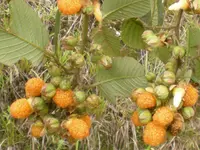
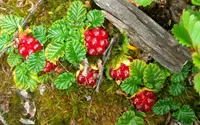
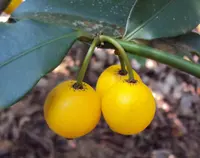
Yellow Himalayan raspberry (Rubus ellipticus) is a thorny, fruiting shrub in the rose family, grown mainly for its bright yellow, edible berries. It forms dense, brambly thickets with arching canes and toothed, green leaves that resemble common raspberry foliage.
This species is native to the Himalayan region but is also found in other subtropical and warm temperate areas, where it can spread rapidly. It is generally vigorous and forgiving, which makes it easy to establish but sometimes hard to contain in suitable climates.
It prefers sunny sites, moderate moisture, and well-drained soil. Gardeners who want to care for yellow Himalayan raspberry should also consider its potential to naturalize and become invasive in some areas.

Care Difficulty
Moderate Care

Light Preference
Full Sun

Water Requirements
Moderate Water

Temperature Preference
Warm Climate

Hardiness Zone
9–11

Soil Texture
Sandy, Loamy, Organic-rich

Soil pH
Acidic (5.5–6.5), Slightly acidic (6.5–7.0)

Soil Drainage
Moist but well-drained

Fertilization
Minimal (feed rarely)
Scan your plant to receive care tips personalized for your specific plant
Available on iOS and Android
This shrub fruits best in full sun but tolerates some shade in hot regions.
This species prefers steadily moist, well-drained soil rather than extremes of wet or dry.
This plant is adapted to mild, frost-free to light-frost climates with warm growing seasons.
Rubus ellipticus handles a wide humidity range but grows best in moderately moist air.
Rubus ellipticus prefers moist, well-drained, fertile soil with ample organic matter.
This species can be grown in containers if the pot is large, stable, and drains efficiently.
Rubus ellipticus benefits from modest, well-timed feeding rather than heavy fertilization.
Pruning helps Rubus ellipticus stay productive, manageable, and healthier over time.
This shrub is usually grown in the ground, so care focuses on thoughtful transplanting rather than frequent repotting.
Rubus ellipticus is commonly propagated to expand plantings or replace older, exhausted canes.
This species is only moderately hardy and may need winter attention in colder regions.

Plant Health Check
Not sure what's wrong with your plant? Check your plant's health inside the app.
In regions where it has naturalized, such as Hawaii and parts of East Africa, Rubus ellipticus forms dense thickets after birds spread its seeds, shading out and displacing native understorey plants.
The canes carry both stout prickles and smaller bristles, especially on younger growth, which protect the plant from many browsing animals and make established thickets difficult for larger animals and people to pass through.
In its native Himalayan range, this species grows from lower foothills up into montane zones, tolerating cool nights, seasonal frost, and strong light on open slopes and forest edges.
The ripe yellow fruits of Rubus ellipticus are highly attractive to many bird species, and this efficient long-distance seed dispersal is a key reason it ranks among the most problematic invasive Rubus species in several tropical island ecosystems.
This species spreads vigorously through suckers and self-seeding. In mild, moist climates it can form dense thickets and outcompete nearby plants. Use root barriers, regular pruning, and prompt removal of unwanted shoots to keep it contained.
Keep your plants happy and healthy with plant identification, disease detection, and easy care guidance.