Falkland Strawberry Care (Rubus geoides)

Falkland Strawberry

About Falkland Strawberry

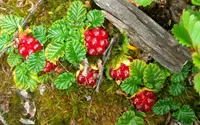
Falkland strawberry (Rubus geoides) is a low, spreading perennial from the rose family that forms dense mats close to the ground. It produces small white flowers followed by bright red, berry-like fruits that resemble tiny strawberries. Leaves are usually trifoliate, giving the plant a soft, carpet-like look. In the wild it grows in cool, windy habitats of the Falkland Islands and southern South America, where conditions are often harsh. This background makes the plant relatively tough but it still needs cool temperatures and steady moisture to thrive in cultivation. Light, well-drained soil and protection from strong heat help when you care for Falkland Strawberry.


Main Plant Requirements

Care Difficulty

Moderate Care

Light Preference

Partial Sun

Water Requirements

Moderate Water

Temperature Preference

Cold Hardy

Hardiness Zone

6–9

Soil Texture

Sandy, Loamy, Organic-rich

Soil pH

Acidic (5.5–6.5), Slightly acidic (6.5–7.0)

Soil Drainage

Moist but well-drained

Fertilization

Minimal (feed rarely)

Get Personalized Care Plan

Scan your plant to receive care tips personalized for your specific plant

Available on iOS and Android

How to Care for the Falkland Strawberry

This low-growing berry prefers cool, bright conditions with protection from harsh midday sun.

  • Provide 4–6 hours of morning sun or light afternoon sun, with partial shade during the hottest part of the day, especially in warmer climates.
  • Plant Falkland Strawberry where it receives dappled or filtered light under open shrubs or trees if full sun exceeds 6 hours.
  • Watch leaves for scorch or bleaching as a sign of too much sun, and for lanky, weak growth as a sign of insufficient light, adjusting exposure seasonally.

This species prefers consistently moist but not waterlogged soil.

  • Water when the top 2–3 cm of soil feels dry, aiming for evenly moist conditions during active growth without saturating the root zone.
  • Ensure sharply draining, humus-rich soil so excess water runs off; standing water or sour, musty smells indicate overwatering and root stress.
  • Reduce frequency in cool or rainy seasons, watching for wilted, dull leaves and dry soil as a cue to water, or yellowing, soft foliage as a sign to back off.

This cool-temperate plant is adapted to mild summers and cold winters.

  • Optimal growing temperatures are around 50–68°F (10–20°C), with best flowering and fruiting in consistently cool conditions.
  • Plants tolerate down to about 14°F (-10°C) once established, though young plants benefit from mulch to buffer freeze–thaw cycles.
  • Heat above 77–82°F (25–28°C) can cause stress and reduced fruit set, so provide extra shade and soil moisture during hot spells.

Rubus geoides adapts to a wide humidity range and rarely needs special humidity management indoors or outdoors.

  • Aim for 40–60% humidity, which most homes and outdoor sites naturally provide.
  • Dry air is usually tolerated; leaf edges may brown slightly only under very prolonged, heated indoor conditions.
  • If plants show curling or crisping leaves in very dry rooms, group pots together or place trays of water nearby to slightly raise humidity around Falkland Strawberry.

Rubus geoides prefers loose, moist, well-drained soil with high organic content for steady growth and fruiting.

  • Use a loamy mix with 40–60% composted organic matter plus mineral components like sand or fine grit for structure.
  • Ensure strong drainage; water should infiltrate quickly and not pool on the surface or in the root zone.
  • Target slightly acidic to neutral pH around 5.5–7.0, which supports nutrient availability and root health in this species.
  • Improve aeration by incorporating perlite or fine bark; avoid heavy clay or compacted substrates that stay saturated for long periods.

This species grows reliably in containers when the pot and substrate are chosen to support its shallow, spreading roots.

  • Select a wide, moderately deep container so stolons and surface roots can spread without becoming crowded at the edges.
  • Choose a heavier material such as ceramic or thick plastic to keep low, spreading growth stable in strong wind.
  • Allow a free-draining substrate and keep any saucer emptied soon after watering to prevent chronic wetness around the root zone.

Rubus geoides is a modest feeder, so focus on light, consistent nutrition rather than heavy fertilization when caring for Falkland Strawberry.

  • Use a balanced slow-release fertilizer or well-aged compost mixed into the topsoil at the start of spring.
  • Feed outdoor plants 1–2 times during the growing season; container plants may benefit from a light application every 6–8 weeks.
  • If using liquid fertilizer, dilute to 1/2 strength to avoid root burn and salt buildup.
  • Stop feeding in late summer or early fall so growth hardens off before winter dormancy.

Pruning Rubus geoides is mainly about keeping the clump healthy and compact, rather than shaping it heavily.

  • Best time to prune is late winter to early spring, before new growth starts.
  • Remove dead, diseased, or damaged stems with clean, sharp hand pruners to reduce infection risk.
  • Thin crowded or very weak shoots at the base to improve air flow and light penetration.
  • Lightly shorten overlong stems to maintain a low, tidy mound without removing too much foliage.

This species is usually grown in the ground, so focus on careful transplanting rather than frequent repotting.

  • Transplant in early spring or early fall when temperatures are mild to reduce stress.
  • Look for signs such as poor vigor, very dense mats, or roots circling a container as indicators it needs more space.
  • Lift the clump with as much rootball as possible, disturb roots minimally, and set at the same soil depth in the new site.
  • Water thoroughly after planting and keep soil evenly moist for several weeks to support new root growth.

Rubus geoides is commonly multiplied by division and layering, with seed used mainly for larger-scale growing.

  • Divide established clumps in early spring, ensuring each section has healthy roots and several shoots.
  • Use simple layering in spring or early summer by pegging a low stem to moist soil until it roots, then detach.
  • For softwood cuttings, take non-flowering shoots in late spring, use rooting hormone, and keep in high humidity.
  • Sow fresh seeds in autumn in trays outdoors or cold frames, allowing natural winter cold to break dormancy.

This plant is generally cold hardy in temperate climates and needs only modest winter care once established.

  • Tolerates light to moderate frost, but young plants benefit from extra protection in colder regions.
  • Apply a 5–8 cm layer of organic mulch around the root zone in late fall, keeping it away from the crown.
  • In very cold or exposed sites, use evergreen boughs or horticultural fleece to shield low stems from severe freezes.
  • Move container-grown plants to a sheltered, unheated but frost-free or slightly protected spot over winter.

Care Tips

Low tunnel protection

In colder or wind-exposed sites, use a low plastic tunnel or floating row cover in late winter to protect emerging shoots from frost scorch and drying winds, removing it gradually once night temperatures stabilize above freezing.

Fruit mulch management

After fruiting, rake away any old, moldy mulch and fallen berries, then refresh with a thin layer of clean organic mulch to reduce gray mold and slug pressure around the crowns.

Runner direction control

Pin or gently peg down new creeping stems in the desired direction using U-shaped wire staples so the mat fills gaps evenly and does not invade paths or neighboring beds.

Slug and snail barriers

Where slugs are an issue, place rough, dry barriers such as crushed gravel bands or copper tape around planting zones and check under nearby boards or stones weekly to hand-remove hiding pests.

Container cooling strategy

For plants grown in shallow containers, cluster the pots together and shade the sides with other plants or a light-colored screen during hot spells to keep the root zone cooler and more stable when growing Falkland Strawberry.
Common Pests and Diseases

Raspberry beetle

This pest feeds on flowers and developing fruits, leading to distorted berries with dry, brown, grub-damaged sections. Symptoms include fruits that crumble easily and contain small pale larvae inside.

Solution

Collect and destroy affected fruits to reduce larval numbers and remove spent flower clusters after harvest. In outdoor plantings, use fine insect mesh over plants during flowering to exclude adults, and encourage natural predators such as ground beetles by keeping a diverse, undisturbed strip of vegetation near the planting.

Spider mites

These insects thrive in warm, dry conditions and feed on leaf sap, causing fine speckling, dull foliage, and sometimes light webbing between leaves and stems. Symptoms include leaves that gradually yellow, dry, and drop prematurely.

Solution

Increase humidity around plants and regularly hose down foliage, including the undersides of leaves, to dislodge mites. For persistent infestations, use repeated applications of a horticultural soap or neem oil spray, applied in the early morning or evening to avoid leaf burn.

Botrytis gray mold

This disease develops in cool, humid conditions and affects flowers and fruit, which become soft, brown, and covered in gray, dusty spores. Symptoms include berries that collapse quickly and mummified fruit that remains attached to the plant.

Solution

Remove and discard all infected fruit and plant debris promptly, and avoid overhead watering that keeps flowers and fruit wet. Improve airflow by spacing plants, thinning dense growth, and keeping surrounding weeds down; in persistently wet climates, consider a protective cover that shields plants from prolonged rain while allowing ventilation.

Cane blight

This disease infects stems through pruning wounds or damage, leading to dark, sunken lesions, cracking bark, and dieback of canes from the infected area upward. Symptoms include weak new growth and reduced fruiting on affected canes.

Solution

Prune out and destroy infected canes during dry weather, cutting well below any visible discoloration, and disinfect pruning tools between cuts. Avoid injuring canes, make pruning cuts just above healthy buds, and maintain good air circulation so stems dry quickly after rain; in very wet regions, selecting slightly elevated, free-draining sites reduces infection pressure.

Leaf spot

This disease causes small purple or brown spots on leaves that may develop pale centers and merge into larger dead patches. Symptoms include premature yellowing and drop of older foliage, which can reduce plant vigor and fruit yield.

Solution

Remove and dispose of heavily spotted leaves and fallen debris to lower the source of spores, and water at soil level rather than over the foliage. If leaf spot recurs regularly, increase spacing between plants, improve air movement, and apply a labeled copper-based fungicide early in the season, repeating according to product directions during prolonged wet periods as part of broader Rubus geoides care instructions.

Interesting Facts

Subantarctic berry specialist

This species is naturally restricted to the cool, oceanic climates of southern Chile, Argentina, and the Falkland Islands, where it forms low, mat‑like colonies in open grasslands and peatlands close to sea level.

Distinct double‑trifoliate leaves

Its compound leaves are arranged in a characteristic pattern of two sets of three leaflets, giving the plants a low, fern‑like appearance that is quite different from most commercial raspberry and blackberry relatives.

Edible but little‑known fruits

The small orange to red berries are edible and mildly sweet, but the plant has never been widely domesticated, so it remains a locally appreciated wild fruit rather than a global crop species.

Botan icon

Did you know?

Rubus geoides is one of the very few Rubus species that naturally occurs on the Falkland Islands, where it plays an important ecological role as a native groundcover and seasonal food source for local wildlife in a highly windswept, low‑diversity plant community.

FAQs about Falkland Strawberry

This species spreads gradually by short stolons, forming low mats rather than long runners. It usually stays well contained in garden beds. Regular edging and removing unwanted shoots keeps it neat and prevents it from encroaching on nearby plants.

Grow Healthy Plants with Botan Care

Keep your plants happy and healthy with plant identification, disease detection, and easy care guidance.

Botan plant care app — identify plants on mobile

Explore More Plants