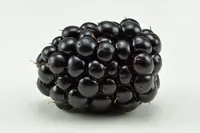
Bright Green Bramble Care (Rubus adscitus)

Bright Green Bramble

About Bright Green Bramble

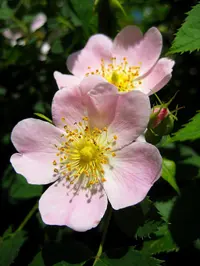
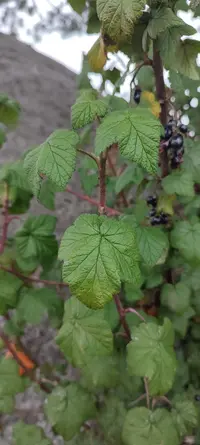
Bright Green Bramble (Rubus adscitus) is a deciduous shrub in the rose family, related to raspberries and blackberries. It forms arching, thorny canes with bright green foliage.

This species is typically found in woodland edges, hedgerows, and scrubby slopes in parts of Europe, where it can create dense thickets over time. Its vigorous growth and suckering habit make it robust but sometimes challenging to contain in small gardens.

Rubus adscitus is generally easy if given sun to light shade, moderately moist, well-drained soil, and space to spread, which helps when learning how to care for Bright Green Bramble.

Main Plant Requirements

Care Difficulty

Moderate Care

Light Preference

Partial Sun

Water Requirements

Moderate Water

Temperature Preference

Cold Hardy

Hardiness Zone

5–8

Soil Texture

Loamy, Sandy, Organic-rich

Soil pH

Acidic (5.5–6.5), Slightly acidic (6.5–7.0)

Soil Drainage

Moist but well-drained

Fertilization

Minimal (feed rarely)

Get Personalized Care Plan

Scan your plant to receive care tips personalized for your specific plant

Available on iOS and Android

How to Care for the Bright Green Bramble

Rubus adscitus prefers bright, open sites with direct sun for strong growth and fruiting.

  • Provide 6–8 hours of direct sun daily; morning sun with light afternoon shade helps reduce leaf scorch in hotter regions.
  • The plant tolerates light or partial shade (around 3–4 hours sun), but shoots may elongate and fruiting density decreases.
  • In very hot summers, protect Bright Green Bramble from intense late-afternoon sun with nearby shrubs or fencing to prevent leaf burn.

Rubus adscitus performs best in evenly moist, well-drained soil that never stays waterlogged.

  • Irrigate when the top 3–5 cm of soil feels dry, aiming to moisten the top 15–20 cm of soil rather than applying frequent shallow splashes.
  • Reduce watering in cool, rainy seasons; increase in hot, dry weather, watching for drooping leaves and dry, crumbly soil as signs of underwatering.
  • Yellowing leaves, soft canes, or a sour smell from the soil indicate overwatering or poor drainage, so improve soil structure or slope if needed.

This bramble is hardy and tolerates a wide range of outdoor temperatures across temperate climates.

  • Active growth is strongest around 60–75°F (16–24°C), supporting steady shoot extension and flower initiation.
  • Established plants usually tolerate winter lows down to about 0°F (−18°C) with mulched roots, though young canes benefit from extra protection.
  • During heat above 86°F (30°C), expect some stress; provide mulch and consistent moisture to help roots stay cooler and canes avoid scorch.

Humidity is not a major concern for Rubus adscitus in typical outdoor conditions.

Rubus adscitus prefers moderately fertile, well-structured soil that holds moisture yet drains freely.

  • Use a loamy soil with plenty of organic matter such as garden compost or well-rotted manure to support steady growth.
  • Ensure drainage is reliable, avoiding compacted or heavy clay; improve structure with sharp sand and coarse grit where water lingers.
  • Aim for slightly acidic to neutral pH around 6.0–7.0, avoiding strongly alkaline or saline sites that can limit nutrient uptake.
  • Loosen the top 20–30 cm before planting to increase aeration, breaking up clods so roots can spread easily.

This species can be grown in containers if the pot is large and stable enough to support its vigorous, arching growth.

  • Choose a deep, heavy container to prevent tipping as canes lengthen and to anchor any support structure used for the plant.
  • Fill the pot with a loam-based mix enriched with compost and coarse grit so the root zone stays moist but does not become waterlogged.
  • Position the container where trailing or arching canes can be trained along a support, keeping weight balanced to avoid pot instability.

Rubus adscitus usually grows well in average soil and needs only light feeding to support healthy canes and fruiting.

  • Apply a balanced slow-release fertilizer or well-rotted compost once in early spring as new growth starts.
  • Use a mild balanced NPK granular product at about half the label rate to avoid excessive leafy growth over fruiting.
  • In poor soils, repeat light feeding in midsummer if plants look pale or growth is weak.
  • Stop feeding in late summer so canes harden before winter; do not fertilize during dormancy.

Pruning Rubus adscitus keeps the thicket open, productive, and easier to manage.

  • Use sharp bypass pruners or loppers in late winter or very early spring before new buds break.
  • Remove dead, diseased, or damaged canes at ground level, then thin crowded canes to improve light and air flow.
  • Cut out fruited second-year canes after harvest to encourage strong new first-year replacement canes.
  • Shorten overly long or arching tips to maintain shape and keep Bright Green Bramble within its allotted space.

This bramble is usually grown in the ground; focus on thoughtful transplanting rather than frequent repotting.

  • Plan transplants for late fall or early spring when the plant is dormant and soil is workable.
  • Move plants that show congested, woody crowns or poor vigor despite adequate light and moisture.
  • Dig a wide root ball to keep as many fibrous roots as possible, disturbing the root system as little as you can.
  • Replant at the same depth in well-drained soil, water thoroughly, and mulch 5–8 cm to limit stress and moisture loss.

Rubus adscitus is commonly propagated to extend hedgerows or replace older, unproductive clumps.

  • Use tip layering in spring or summer by pegging flexible cane tips into moist soil until rooted, then sever from the parent.
  • Take semi-ripe stem cuttings in early summer, insert into a free-draining mix, and maintain high humidity and bright shade.
  • Divide vigorous clumps in early spring or late fall, ensuring each division has healthy buds and roots.
  • Sow fresh seeds outdoors in fall to benefit from natural winter cold stratification, which improves germination.

This bramble is generally cold hardy in temperate climates and needs only basic winter care in the ground.

  • Tolerates typical frosts once established, but young plants benefit from extra root insulation.
  • Apply a 5–8 cm mulch layer around the root zone after the first hard frost, keeping mulch off the canes.
  • In very cold or exposed sites, tie canes loosely together to reduce wind damage and breakage.
  • Container-grown plants are more vulnerable; move pots into a sheltered, unheated porch or against a protected wall.

Care Tips

Early Cane Selection

As new canes emerge in spring, thin them to the 4–6 strongest per plant and remove weak or crowded shoots at the base to maintain good airflow and easier harvesting when caring for Bright Green Bramble.

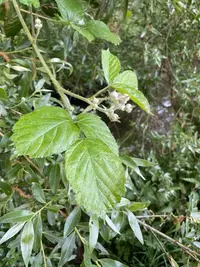
Two‑Wire Support System

Install two horizontal wires at about 60 cm and 120 cm along the row, then tie or weave canes onto the wires to keep them upright, reduce wind damage, and improve light penetration into the canopy.

Tip‑Layering Propagation

In late summer, bend a healthy, flexible cane so its tip touches the soil, lightly bury the tip, and secure it with a U‑shaped pin; by the following spring it will usually root and can be separated as a new plant.

Post‑Harvest Sanitation

Right after the main fruiting period, remove and dispose of all fruited canes and any visibly diseased material instead of composting it, which helps break pest and disease cycles around the planting.

Mulch Rodent Management

Use a 5–8 cm layer of coarse organic mulch like wood chips or bark, keeping it a few cm away from the crowns, to suppress weeds while reducing hiding places for rodents that may chew canes in winter.

Common Pests and Diseases

Raspberry beetle

This pest attacks flower buds and young fruit, causing dry, misshapen berries with small brown grubs inside. Symptoms include premature fruit drop and poor fruit quality.

Solution

Monitor flower clusters in late spring and remove badly damaged blossoms, then collect and destroy infested fruit during harvest to break the life cycle. In small plantings, shake canes over a sheet to dislodge adults, encourage birds and predatory insects, and consider using pheromone or colored sticky traps placed near the plants just before flowering for targeted control.

Cane blight

This disease causes dark, sunken lesions on canes, often starting where they were wounded or pruned, and can lead to cane dieback. Symptoms include sudden wilting of laterals and poor fruiting on affected canes.

Solution

Cut out and remove infected canes back to healthy tissue during dry weather, and disinfect pruning tools between cuts with a 10% bleach solution or 70% alcohol. Improve air circulation by thinning crowded canes, avoid overhead watering, and time pruning so fresh cuts are not exposed to prolonged wet conditions, following general Rubus adscitus care instructions to reduce stress on the plant.

Raspberry aphid

These insects cluster on young shoots and the undersides of leaves, sucking sap and causing leaf curling and distortion. Symptoms include sticky honeydew, which can attract sooty mold on leaves and stems.

Solution

Wash colonies from shoots with a strong but controlled stream of water, repeating as needed to reduce numbers without damaging young growth. Encourage natural predators like lady beetles, avoid high-nitrogen fertilization that promotes soft growth, and use insecticidal soap or horticultural oil sprays directed at leaf undersides if populations remain high.

Raspberry leaf spot

This disease produces small, circular purple spots on leaves that turn tan or gray in the center, sometimes leading to premature leaf drop. Symptoms include thinning foliage and reduced vigor when infections are heavy.

Solution

Remove and discard fallen leaves and heavily spotted foliage to lower the amount of infectious material around the plant. Space and prune canes to increase airflow, irrigate at soil level rather than overhead, and if leaf spot recurs annually, apply a labeled fungicide in early spring when new leaves emerge, following local guidelines.

Spider mites

These insects are tiny sap-feeding arachnids that cause fine stippling and bronzing of leaves, often with delicate webbing on the undersides. Symptoms include dull, dry-looking foliage, especially during hot, dry weather or under cover.

Solution

Rinse foliage thoroughly, focusing on the undersides of leaves, and repeat every few days to knock back populations and remove webbing. Maintain moderate humidity around plants, avoid drought stress, and introduce or conserve predatory mites; if needed, use horticultural oil or insecticidal soap, applied in the early morning or evening to avoid leaf burn.

Interesting Facts

Narrow native range

This bramble is naturally restricted to parts of central and western Europe, particularly France and nearby regions, where it occurs as scattered, local populations rather than a widespread, dominant species.

Leaf surface contrast

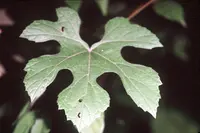
The plant shows a clear contrast between the matte green upper leaf surface and a paler, often slightly glaucous (bluish) underside, which helps botanists distinguish it from closely related Rubus species in the field.

Diagnostic stem traits

Its stems carry relatively fine, evenly spaced prickles and a specific pattern of hairiness and waxiness that are used in formal Rubus taxonomy to separate it from visually similar European blackberries and dewberries.

FAQs about Bright Green Bramble

This species spreads by arching canes that root where they touch the ground, and by suckering from the base. In good conditions it can form dense thickets, so regular pruning and root barrier edging help keep it contained.

Grow Healthy Plants with Botan Care

Keep your plants happy and healthy with plant identification, disease detection, and easy care guidance.

Botan plant care app — identify plants on mobile

Explore More Plants