velvet leaf Care (Callicarpa pedunculata)

velvet leaf

About velvet leaf

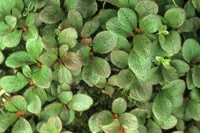
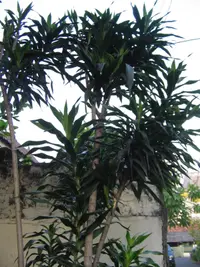
Velvet leaf, Callicarpa pedunculata, is a woody shrub known for its softly textured foliage and small clustered berries that often attract birds. It typically forms a dense, bushy shape in gardens or naturalistic plantings.

This species is native to parts of tropical and subtropical Asia, where it grows in forest edges, thickets, and secondary growth. In cultivation it suits warm, frost-free climates and benefits from moist, well-drained soil and moderate light.

Gardeners who want to care for velvet leaf usually find it moderately easy, provided it receives protection from cold and extended drought. Its forgiving growth habit and wildlife value make it a good choice for informal landscapes and larger outdoor spaces.

Main Plant Requirements

Care Difficulty

Moderate Care

Light Preference

Partial Sun

Water Requirements

Moderate Water

Temperature Preference

Tropical / Frost Sensitive

Hardiness Zone

10–11

Soil Texture

Loamy, Sandy, Organic-rich

Soil pH

Acidic (5.5–6.5), Slightly acidic (6.5–7.0)

Soil Drainage

Moist but well-drained

Fertilization

Minimal (feed rarely)

Get Personalized Care Plan

Scan your plant to receive care tips personalized for your specific plant

Available on iOS and Android

How to Care for the velvet leaf

Callicarpa pedunculata grows best in bright outdoor conditions with some protection from harsh midday sun.

  • Provide 4–6 hours of direct morning sun with light or dappled shade in the afternoon, especially in hotter regions.
  • Tolerates light partial shade, but dense shade reduces flowering and berry production on velvet leaf and can make stems leggy.
  • In hot summers, protect from intense sun between 11 a.m. and 3 p.m. to prevent leaf scorch, while in cooler months allow more direct exposure.

Callicarpa pedunculata prefers evenly moist, well-drained soil that never stays soggy.

  • Water when the top 3–5 cm of soil feels dry, using deep, thorough watering rather than light splashes so moisture reaches the root zone.
  • In spring and summer, expect more frequent watering during active growth; reduce in fall and winter as rainfall increases or growth slows.
  • Watch for yellowing, soft leaves and persistent wet soil as signs of overwatering, and for wilted, crisp leaves and very dry soil as signs of underwatering.

This shrub prefers warm, frost-free climates and handles typical outdoor heat if soil moisture is maintained.

  • Aim for 65–85°F (18–29°C) for strongest growth, with stable conditions encouraging flowering and fruiting.
  • Tolerates brief dips to about 40°F (4°C), but young plants may suffer damage; prolonged exposure near this level can reduce vigor.
  • Avoid frost, freezing temperatures below 32°F (0°C), and hot, dry winds above 95°F (35°C), which can scorch leaves unless the plant is well watered and sheltered.

This shrub handles a wide humidity range but grows best with moderately moist air.

  • Aim for 40–60% humidity; it usually tolerates typical outdoor and patio conditions in most regions.
  • Leaves may brown at the tips, curl, or shed prematurely if air stays very dry and soil also dries fully.
  • For velvet leaf in hotter, arid spots, group pots together and use mulch over the root zone to reduce moisture loss.

This species prefers moist, free-draining, moderately fertile soil that does not stay waterlogged.

  • Use a loamy mix with noticeable organic matter, such as garden loam blended with compost for structure and nutrient retention.
  • Ensure sharp drainage by mixing in coarse sand or fine bark; in containers, add 20–30% perlite to prevent soggy conditions.
  • Target a slightly acidic to neutral pH around 6.0–7.0, avoiding highly alkaline ground that can reduce nutrient availability and cause yellowing leaves.
  • Avoid compacted clay or spots where water puddles after rain; improve aeration by loosening the top 10–15 cm and incorporating organic material.

This shrub can be grown successfully in containers when sized and weighted to support its woody framework.

  • Choose a deep, wide pot that allows a spreading root system, avoiding narrow, tall shapes that tip easily in wind.
  • Select a heavy material such as ceramic or thick-walled plastic to stabilize the shrub as stems become woody and fruit-laden.
  • Raise the pot slightly on feet or bricks so drainage holes clear the surface and excess water runs off quickly after watering or rain.

Callicarpa pedunculata benefits from modest feeding in containers and nutrient-poor soils, but established in-ground plants often manage with minimal input.

  • Use a balanced slow-release fertilizer (such as 10-10-10) or a thin layer of compost in early spring to support new growth.
  • Feed container-grown velvet leaf every 6–8 weeks in the growing season with a balanced liquid fertilizer at 1/2 strength.
  • Stop fertilizing in late summer so shoots harden before cold weather and reduce or skip feeding entirely in winter dormancy.
  • Water before and after applying fertilizer to avoid root burn and help nutrients move into the root zone.

Pruning Callicarpa pedunculata helps maintain a neat shrub, encourage flowering wood, and remove weak growth.

  • Carry out main pruning in late winter or early spring before new growth begins, when branch structure is easy to see.
  • Remove dead, diseased, crossing, or inward-growing branches with clean, sharp bypass pruners or loppers.
  • Shorten overly long stems by up to 1/3 of their length to keep a balanced, open form and improve light penetration.
  • Thin congested interior shoots at the base to increase air flow, which supports healthier foliage and berry production.

This shrub is usually grown in the ground, so transplanting young plants correctly is more important than frequent repotting.

  • Plan transplanting for early spring or early fall when temperatures are mild and natural rainfall is higher.
  • Check container plants for roots circling the pot, slow growth, or quick drying soil as signs a larger container or planting out is needed.
  • Transplant every 2–3 years while young, moving into a hole or pot 5–10 cm wider, using well-drained soil enriched lightly with compost.
  • Handle the root ball gently, loosen only lightly matted roots, water thoroughly after planting, and keep soil evenly moist until new growth appears.

Callicarpa pedunculata is commonly propagated from semi-hardwood cuttings and seeds under warm, humid conditions.

  • Take semi-hardwood cuttings in late summer, 8–12 cm long, with 2–3 nodes, and remove lower leaves.
  • Dip the cut base in rooting hormone and place cuttings in a loose, well-drained medium such as 1:1 perlite and peat or coco coir.
  • Maintain 70–80°F, high humidity, and bright, indirect light until roots form, then pot on carefully to avoid breaking new roots.
  • Sow fresh seed in spring in a free-draining mix, keep lightly moist, and expect uneven, sometimes slow germination.

This warm-climate shrub has low frost tolerance and benefits from simple winter protection in cooler regions.

  • In areas with light frosts, apply a 5–8 cm mulch layer over the root zone, keeping it slightly away from the stems.
  • For young or marginally hardy plants, wrap the lower framework with breathable frost cloth during forecast freezes.
  • Grow container specimens in pots that can be moved indoors or into a frost-free greenhouse before temperatures drop near 32°F.
  • Reduce watering in cool conditions so soil stays slightly moist but not waterlogged, which reduces root stress in winter.

Care Tips

Wind‑firm training

In the first 2–3 years, shorten long whip-like shoots by 1/3 after flowering to encourage a low, branching framework that resists wind rock and supports heavy berry clusters.

Berry display renewal

Every 3–4 years, remove 1–2 of the oldest, most shaded stems at the base in late winter to stimulate strong new growth that carries denser and more visible fruiting wood.

Mulch for root cooling

Apply a 5–7 cm layer of composted bark or leaf mold over the root zone, keeping it a few cm away from stems, to keep roots cool, stabilize soil moisture, and improve berry set in hot summers.

Bird and wildlife access

When planning layout, leave some open space around the shrub and avoid dense netting so birds can access the fruit easily, which helps with natural seed dispersal and reduces rotting berries under the plant.

Light shaping for fruit

Thin a few inward-crossing or congested twigs after flowering so light can reach the inner stems, which improves flowering and fruiting along the length of the branches when growing velvet leaf in mixed borders.

Common Pests and Diseases

Leaf spot

This disease causes small brown to dark purple lesions on leaves that may merge into larger irregular patches, especially in warm, wet weather. Symptoms include premature yellowing and early leaf drop on older foliage.

Solution

Prune and discard affected leaves, thin crowded branches to improve airflow, and avoid overhead watering so foliage dries quickly. If conditions stay wet and spotting spreads, apply a copper-based fungicide or chlorothalonil according to label directions, treating both upper and lower leaf surfaces.

Powdery mildew

This disease appears as a white to gray powdery coating on young leaves and shoots, sometimes causing leaf distortion and reduced vigor. Symptoms include dull, faded-looking foliage and reduced flowering on heavily affected plants.

Solution

Increase light and airflow by pruning dense interior growth and removing nearby competing vegetation, and water at the base to keep foliage dry. If mildew persists, use a sulfur or potassium bicarbonate fungicide labeled for ornamental shrubs, repeating at intervals recommended on the product label until new growth emerges clean.

Scale insects

These insects form small, dome-shaped or flattened bumps on stems and sometimes on leaf undersides, sucking sap and weakening the shrub over time. This pest often leads to sticky honeydew and sooty mold on leaves and nearby surfaces.

Solution

For light infestations, scrub stems gently with a soft brush dipped in diluted insecticidal soap or horticultural oil, then rinse. For heavier infestations, apply a horticultural oil spray during mild weather to thoroughly coat stems and the undersides of leaves, and consider a systemic insecticide if populations remain high.

Leaf beetles

These insects chew small holes or notches in leaves, sometimes skeletonizing foliage on young or newly planted shrubs. This pest is more active in warm seasons and can temporarily reduce plant appearance and berry set if defoliation is severe.

Solution

Hand-pick adults and larvae where practical and shake branches over a sheet to remove feeding beetles, then dispose of them. If damage remains heavy, use a targeted foliar spray with spinosad or pyrethrin in the evening when pollinators are less active, focusing only on affected plants.

Aphids

These insects cluster on tender shoot tips and the undersides of young leaves, sucking sap and causing curling or distortion. This pest also excretes honeydew, which can attract ants and encourage sooty mold on foliage and stems.

Solution

Prune off heavily infested shoot tips and spray remaining foliage with a strong stream of water to dislodge colonies. If populations rebound, apply insecticidal soap or a light horticultural oil, thoroughly coating new growth and leaf undersides, and repeat as needed according to label directions for effective velvet leaf indoor care.

Interesting Facts

Foetid leaf defense

When crushed, the leaves release a strong, unpleasant odor that likely helps deter herbivores and some insects from feeding on the plant.

Bird-dispersed drupes

The small purple drupes are eaten by frugivorous birds in Southeast Asia, which then disperse the seeds over wide areas through their droppings.

Tropical forest generalist

This species naturally occurs from lowland secondary forests to forest edges and disturbed sites across parts of South and Southeast Asia, which shows a high tolerance for varied light and soil conditions in its native range.

Botan icon

Did you know?

In several parts of its native range in South and Southeast Asia, this species is commonly planted around village boundaries and pathways because its dense branching and persistent berry clusters form a simple living barrier that is easy to maintain and readily propagated from seed.

FAQs about velvet leaf

Lack of flowers usually comes from insufficient light, heavy pruning at the wrong time, or nutrient imbalance. Mature wood often blooms best, so avoid cutting older branches heavily and use a balanced, not high-nitrogen, fertilizer.

Grow Healthy Plants with Botan Care

Keep your plants happy and healthy with plant identification, disease detection, and easy care guidance.

Botan plant care app — identify plants on mobile

Explore More Plants