Prickly Currant-Bush Care (Coprosma quadrifida)

Prickly Currant-Bush

About Prickly Currant-Bush

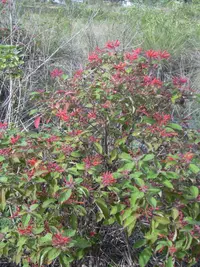
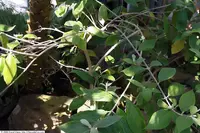
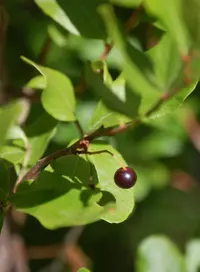
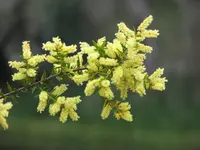
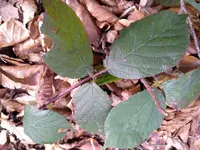
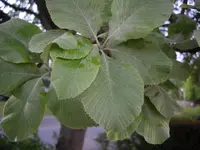
Prickly currant-bush (Coprosma quadrifida) is an evergreen shrub native to cool, moist forests and scrub in southeastern Australia and Tasmania. It naturally forms a dense, twiggy structure with small, glossy leaves and sharp branchlets. The plant produces tiny flowers followed by red to orange berries that add seasonal color and attract wildlife. Growth is typically upright to bushy, making it suitable for informal hedges and habitat plantings. This species is hardy, tolerates light frost, and copes with wind once established, so maintenance needs are moderate. It prefers well-drained soil with steady moisture and light shade to part sun, which guides how to care for Prickly Currant-Bush in gardens or larger landscapes.

Main Plant Requirements

Care Difficulty

Moderate Care

Light Preference

Partial Shade

Water Requirements

Moderate Water

Temperature Preference

Cool Climate

Hardiness Zone

8–10

Soil Texture

Sandy, Loamy, Organic-rich

Soil pH

Acidic (5.5–6.5), Slightly acidic (6.5–7.0)

Soil Drainage

Moist but well-drained

Fertilization

Minimal (feed rarely)

Get Personalized Care Plan

Scan your plant to receive care tips personalized for your specific plant

Available on iOS and Android

How to Care for the Prickly Currant-Bush

This shrub prefers bright, open conditions but benefits from some protection from harsh afternoon sun.

  • Provide 4–6 hours of direct morning sun with light or dappled shade after midday, especially in hotter regions.
  • Tolerates partial shade (around 3–4 hours sun) but Prickly Currant-Bush may grow more open and produce fewer fruits in deeper shade.
  • In very hot summers, strong afternoon sun can scorch young foliage; use nearby taller plants or light shade cloth to filter light.

This species prefers consistently moist but not waterlogged soil once established in the landscape.

  • Before watering, check that the top 3–5 cm of soil feel dry; then water deeply so moisture reaches the root zone and excess drains away.
  • In spring and summer, monitor more often during hot, dry spells; in autumn and winter, allow the soil to stay slightly drier between waterings.
  • Signs of overwatering include yellowing leaves and soft stems, while crisp leaf edges and slow growth usually indicate underwatering or prolonged drought.

This shrub is adapted to cool to mild climates and tolerates light frost once established.

  • Optimal growth occurs around 55–75°F (13–24°C), with steady growth in mild, maritime or temperate conditions.
  • Mature plants usually tolerate down to about 20–25°F (-6 to -4°C); young plants are more frost-sensitive and benefit from shelter or mulch in cold snaps.
  • In hot regions, brief periods up to 90°F (32°C) are tolerated if soil moisture is maintained; prolonged heat and dry winds can stress foliage and reduce vigor.

This shrub handles a wide humidity range and usually does not need special humidity management.

  • Target 40–60% humidity, which suits most homes and outdoor garden conditions for Prickly Currant-Bush.
  • It tolerates brief dry air but prolonged humidity below 30% can cause leaf edge browning and minor leaf drop.
  • If indoor air is very dry, group plants together or place the pot on a pebble tray with water below the pot base.

This species prefers loose, well-structured soil that drains freely yet holds some moisture.

  • Use a loamy mix with 40–60% composted organic matter plus mineral components such as sand or fine grit for structure.
  • Ensure fast drainage; aim for soil that is moist but never waterlogged to prevent root rot and loss of vigor in Coprosma quadrifida.
  • A slightly acidic to neutral pH of 6.0–7.0 is suitable and supports nutrient availability without special amendments.
  • To improve aeration and prevent compaction, blend in perlite or pine bark fines and avoid heavy clay or pure peat substrates.

This species can be grown successfully in containers when given adequate root space and drainage.

  • Choose a deep, heavy pot that resists tipping as the shrub gains height and develops woody stems.
  • Select containers with multiple drainage holes so excess water leaves quickly after rain or irrigation.
  • Use a slightly larger diameter pot than the root ball to allow lateral spread without creating a waterlogged outer soil ring.

This shrub is modest in its nutrient needs but benefits from light feeding in poor or very sandy soils, especially in containers.

  • Use a balanced slow-release fertilizer (around 10-10-10) or well-matured compost in early spring for Prickly Currant-Bush.
  • Apply a light dose once in spring and, if growth is weak, once again in midsummer, avoiding heavier or frequent feeding.
  • Dilute liquid fertilizers to 1/2 strength to prevent root burn, especially in potted plants.
  • Stop feeding in late summer so new growth hardens before winter, and do not fertilize during winter dormancy.

Pruning helps maintain a dense, healthy framework in Coprosma quadrifida and improves access to its fruit.

  • Carry out main pruning in late winter or very early spring before vigorous new growth starts.
  • Remove dead, diseased, damaged, or crossing branches first, then thin overcrowded stems to improve light and airflow.
  • Shorten excessively long shoots to shape the shrub and encourage bushier side branching.
  • Use clean, sharp bypass secateurs and make cuts just above a bud or side shoot to promote neat, controlled regrowth.

This species is usually grown in the ground, so transplanting young shrubs correctly matters more than frequent repotting.

  • Transplant in late winter to early spring when soil is workable and before strong new growth, avoiding hot, dry periods.
  • Look for signs like roots circling a nursery pot, tight root mass, and slowed growth as cues to move into a larger space.
  • Plant into a hole wider than the root ball, loosening circling roots gently to encourage outward growth with minimal tearing.
  • Water thoroughly after planting, mulch 5–8 cm around (not touching the stem), and keep soil evenly moist while new roots establish.

New plants are commonly raised from both seed and semi-hardwood cuttings for garden or restoration use.

  • Collect ripe berries in late summer to autumn, clean the seed, and sow in a free-draining seed mix kept just moist.
  • Expect slow, sometimes irregular germination; provide bright, indirect light and moderate temperatures around 60–70°F.
  • Take semi-hardwood cuttings in late summer, 8–12 cm long, removing lower leaves and using a rooting hormone.
  • Insert cuttings into a gritty, well-drained medium, maintain high humidity and gentle bottom warmth until well rooted.

This shrub is generally cold hardy in temperate climates and usually needs only minimal winter attention in the ground.

  • Tolerates light to moderate frost once established, though young plants benefit from extra protection in the first 1–2 winters.
  • Apply a 5–8 cm mulch layer around the root zone in late autumn to buffer soil temperature and conserve moisture.
  • For container-grown plants in colder regions, move pots to a sheltered, unheated but frost-free spot and reduce watering.

Care Tips

Formative branch thinning

In late winter, remove crowded or inward-growing branches at their base to keep the shrub open, which improves airflow and reduces fungal issues on the dense interior wood.

Wildlife-friendly netting

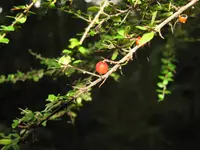
If birds strip the berries before harvest, place a fine, soft mesh net over the shrub just as fruit begins to color, securing it to stakes rather than the branches to avoid rubbing and breakage.

Layering for propagation

To clone a well-performing plant, peg a low, flexible stem to the soil, lightly wound the underside where it touches the ground, cover with 3–5 cm of mix, and sever it from the mother plant once roots form after a few months.

Mulch for root protection

Apply a 5–8 cm layer of coarse organic mulch around but not touching the stems to stabilize soil moisture, keep surface roots cool, and reduce competition from shallow-rooted weeds.

Selective shade management

In hotter inland sites, position taller shrubs or a simple shade cloth frame on the west side to provide light afternoon shade, which helps when caring for Prickly Currant-Bush in regions with strong summer sun.

Common Pests and Diseases

Scale insects

These insects attach to stems and leaf undersides, sucking sap and causing yellowing, leaf drop, and general decline, especially on older woody growth. Infestations often appear as small, dome-shaped brown or grey bumps that do not move when touched.

Solution

Prune out heavily infested twigs, then wipe remaining colonies with a cotton pad dipped in isopropyl alcohol or insecticidal soap, making sure to cover leaf undersides and stems. Improve plant vigor with adequate water and light, and repeat treatments every 7–10 days until new growth appears clean; horticultural oil can be used during cool, mild weather to smother remaining scale.

Sooty mold

This disease appears as a black, soot-like coating on leaves and stems, usually growing on the honeydew excreted by sap-sucking insects such as scale or aphids. Symptoms include dull, dirty-looking foliage and reduced photosynthesis, but the fungus usually affects appearance more than internal tissues.

Solution

Control the underlying sap-sucking insects first, then gently wash affected foliage with lukewarm water and a mild, plant-safe soap to remove the mold layer. Improve airflow and light penetration by selective pruning so that leaves dry faster and future honeydew buildup is reduced.

Leaf spot

This disease causes small tan, brown, or dark purple spots on leaves, sometimes with a yellow halo and, in severe cases, premature leaf drop on inner, shaded branches. Symptoms include patchy thinning of the canopy and reduced ornamental value, especially in humid or shaded positions.

Solution

Remove and dispose of affected leaves and any fallen debris around the base to reduce fungal spores. Improve air circulation by thinning dense growth, avoid overhead watering, and if the problem persists in wet seasons, apply a copper or other labeled ornamental fungicide according to Coprosma quadrifida care instructions and local guidelines.

Aphids

These insects cluster on soft new shoots and the undersides of young leaves, sucking sap and causing distorted, curled growth and sticky honeydew deposits. This pest can indirectly lead to sooty mold development and attract ants that protect the aphids.

Solution

Spray new growth with a strong jet of water to dislodge colonies, then use insecticidal soap or a neem-based product, ensuring thorough coverage of young shoots. Encourage natural predators such as lady beetles in outdoor plantings, and repeat treatments weekly until no new colonies appear.

Interesting Facts

Four-leaf foliage feature

Each small leaf cluster typically appears in whorls of four around the stem, which is reflected in the species name quadrifida, meaning four-divided or four-parted.

Important understory resource

In its native south‑eastern Australia, this prickly shrub forms part of cool temperate rainforest and wet forest understory, providing shelter for small birds and small mammals within its dense, spiny branches.

Bird-dispersed red berries

The plant produces glossy red to orange-red drupes that are eaten by birds, which then disperse the seeds through their droppings and help maintain natural populations in the wild.

Botan icon

Did you know?

The species is one of several prickly Coprosma shrubs that create protective nesting habitat for small Australian birds such as fairy-wrens and scrubwrens, allowing them to reduce predation risk by building nests inside the thorny interior of the shrubs.

FAQs about Prickly Currant-Bush

The small red to orange berries are edible and were traditionally used as bushfood, though flavor is usually tart and mild. Only ripe fruit should be eaten, and any foraged material must be free from chemical contamination.

Grow Healthy Plants with Botan Care

Keep your plants happy and healthy with plant identification, disease detection, and easy care guidance.

Botan plant care app — identify plants on mobile

Explore More Plants