Berry display renewal
After peak fruiting, selectively remove 1–3 of the oldest, woodiest stems at the base each year to keep the shrub producing strong new growth with heavier berry clusters.

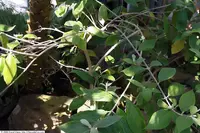
Callicarpa acuminata is a shrub or small tree known for its clusters of showy purple berries and simple, medium-green leaves. It typically forms a rounded, bushy shape with arching branches. Native to parts of Central America, it is usually found in warm, humid forests and woodland edges. The ornamental fruit display is its main attraction, often persisting after the leaves drop in cooler seasons. This species is generally considered moderate in difficulty, as it prefers consistent moisture, good drainage, and at least partial sun. Gardeners who understand how to care for Callicarpa acuminata often value it as a wildlife-friendly, berry-producing shrub.

Care Difficulty
Moderate Care

Light Preference
Partial Sun

Water Requirements
Moderate Water

Temperature Preference
Warm Climate

Hardiness Zone
9–11

Soil Texture
Loamy, Sandy, Organic-rich

Soil pH
Acidic (5.5–6.5), Slightly acidic (6.5–7.0)

Soil Drainage
Moist but well-drained

Fertilization
Minimal (feed rarely)
Scan your plant to receive care tips personalized for your specific plant
Available on iOS and Android
This shrub prefers bright conditions and fruits best with consistent direct light.
This species prefers evenly moist but not saturated soil, especially during active growth.
This shrub grows best in warm, frost-free climates with moderate seasonal changes.
This shrub handles a wide humidity range and usually does not need special humidity management outdoors.
Callicarpa acuminata prefers moderately fertile, well-drained but moisture-retentive soil.
This species can be grown in containers when given enough root space and stable support.
This shrub benefits from light, balanced feeding but often performs well in reasonably fertile garden soil.
Thoughtful pruning helps maintain shape, encourage berry display, and keep the shrub healthy.
This species is usually grown in the ground, so care focuses on transplanting rather than frequent repotting.
Propagation of this shrub is most reliable from semi-ripe cuttings, with seeds as a slower alternative.
This warm-climate shrub has limited frost tolerance and needs protection in colder regions.

Plant Health Check
Not sure what's wrong with your plant? Check your plant's health inside the app.
This species is native to humid montane forests of southern Mexico and Central America, where it grows as an understory shrub or small tree in warm, frost-free climates with high rainfall.
After flowering, it produces dense clusters of glossy violet drupes that are eaten by birds, which then disperse the seeds across the forest.
When crushed, the leaves release a noticeable, somewhat pungent scent, caused by volatile compounds in the leaf tissues that likely help deter herbivores.
Lack of flowers usually relates to insufficient light, heavy pruning at the wrong time, or excess nitrogen fertilizer. Ensure good sun exposure, avoid hard pruning in late spring, and use a balanced, not high-nitrogen, fertilizer.
Keep your plants happy and healthy with plant identification, disease detection, and easy care guidance.