small-leaf bramble Care (Rubus parvifolius)

Also known as: Japanese Raspberry, Herbaceous Myrica, native raspberry
small-leaf bramble

About small-leaf bramble

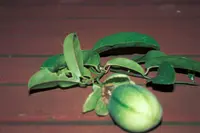
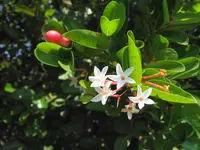
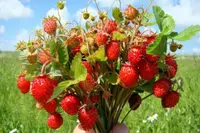
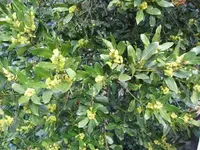
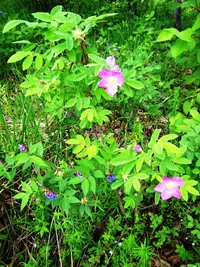
Small-leaf bramble (Rubus parvifolius) is a low, scrambling shrub in the rose family, related to raspberries and blackberries. It produces thin, arching canes with small, serrated leaves.

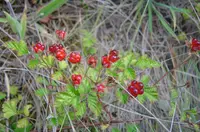
The plant often forms thickets, rooting where stems touch the ground, and carries small prickles along its stems. In season, it bears pink flowers followed by edible red berries.

It occurs naturally in East Asia and Australia and has been introduced to other mild-climate regions. Once established, it is generally hardy and vigorous, so care for small-leaf bramble focuses on controlling spread and providing sun, moisture, and well-drained soil rather than encouraging growth.

Main Plant Requirements

Care Difficulty

Easy Care

Light Preference

Full Sun

Water Requirements

Moderate Water

Temperature Preference

Cold Hardy

Hardiness Zone

7–10

Soil Texture

Sandy, Loamy, Clay

Soil pH

Acidic (5.5–6.5), Slightly acidic (6.5–7.0)

Soil Drainage

Moist but well-drained

Fertilization

Minimal (feed rarely)

Get Personalized Care Plan

Scan your plant to receive care tips personalized for your specific plant

Available on iOS and Android

How to Care for the small-leaf bramble

This shrub prefers bright outdoor conditions with a balance of direct sun and light shade.

  • Provide 4–6 hours of direct sun daily, ideally with morning sun and light afternoon shade to protect leaves from scorching.
  • Allow light or dappled shade during the hottest part of the day; small-leaf bramble tolerates partial shade but fruits better with more sun.
  • In summer, watch for leaf scorch or bleaching as a sign of excessive sun, while long, weak stems and poor flowering indicate insufficient light.

This species prefers consistently moist but not saturated soil, especially during active growth.

  • Before watering, check that the top 3–5 cm of soil have begun to dry; then soak the root zone deeply rather than giving light, frequent splashes.
  • In spring and summer, maintain even moisture and ensure the soil drains freely; water less often in cool, wet seasons to prevent root problems.
  • Signs of overwatering include yellowing, soft leaves and a sour soil smell, while crisp leaf edges, drooping canes, and dry, crumbly soil signal underwatering for Rubus parvifolius.

This hardy bramble tolerates a wide outdoor temperature range typical of temperate climates.

  • Optimal growth occurs around 60–75°F (16–24°C), supporting strong cane development and reliable flowering and fruiting.
  • Established plants tolerate winter lows near 10–15°F (-12 to -9°C) with adequate mulching, though young plants benefit from protection in colder spells.
  • In summer, plants handle up to about 85–90°F (29–32°C) if soil moisture is maintained; prolonged heat above this can cause stress, leaf scorch, and smaller berries.

Rubus parvifolius handles a wide humidity range but grows best in moderately moist air.

  • Aim for 40–60% humidity, which most outdoor temperate climates naturally provide.
  • Plants tolerate short dry spells but prolonged air under 30% can crisp leaf edges and slow growth.
  • Increase humidity in very dry conditions by mulching the root zone and grouping plants to reduce evaporation.

Rubus parvifolius prefers loose, moisture-retentive but air-filled soil.

  • Use a loamy mix with 40–60% organic matter such as compost plus mineral material like garden soil or sand.
  • Ensure drainage is moderate to fast so water does not pool around roots after rain or irrigation.
  • Aim for slightly acidic to neutral pH, around 6.0–7.0, to support nutrient availability and healthy root activity.
  • Improve aeration and structure by blending coarse sand or fine bark into heavy clay and avoiding compaction from frequent walking.

This species adapts reasonably well to container growing outdoors when given enough root space and support.

  • Choose a deep, heavy pot to anchor the sprawling canes and prevent wind tipping as growth becomes top-heavy.
  • Select thick-walled terracotta or similar porous material if extra evaporation is needed to avoid waterlogged roots.
  • Raise the container on pot feet so drainage holes stay clear and excess water escapes quickly after watering or rain.

Rubus parvifolius grows well in average soil and usually needs only light feeding to maintain vigor.

  • In spring, apply a thin layer of compost around the root zone to support new growth.
  • Use a balanced slow-release NPK fertilizer at half strength for container plants at the start of the growing season.
  • Feed outdoor plants once per season; potted plants can receive a second light application mid-summer if growth is weak.
  • Stop fertilizing in late summer so shoots harden before winter dormancy.

Pruning Rubus parvifolius keeps plants productive, manageable, and healthier over time.

  • Prune in late winter or very early spring, before strong new growth starts.
  • Remove dead, diseased, or damaged canes first, cutting back to healthy wood with clean, sharp bypass pruners.
  • Thin crowded canes to improve light and airflow, shaping the plant into an open, upright form.
  • After fruiting, cut out spent 2-year-old canes at ground level to encourage young replacement shoots.

This species is usually grown in the ground, so care focuses more on transplanting than frequent repotting.

  • Transplant young plants in early spring or fall when temperatures are mild and soil is moist but not waterlogged.
  • Move or up-pot when roots circle the container, growth slows, or watering frequency increases noticeably.
  • Choose a slightly larger hole or pot with well-drained soil, spreading roots outward rather than bending them.
  • Water thoroughly after planting, then keep soil evenly moist and shaded for 1–2 weeks to limit transplant stress.

Rubus parvifolius is commonly propagated to expand productive patches or replace older plants.

  • Use tip layering in spring or early summer by pegging a flexible cane node into moist soil until roots form.
  • Take softwood or semi-ripe cuttings in late spring–summer, and root them in a moist, free-draining medium under high humidity.
  • Divide small clumps in early spring, ensuring each piece has healthy roots and at least 1–2 buds.
  • Sow fresh seed in autumn outdoors or provide cold stratification to break dormancy and improve germination.

This bramble is generally cold hardy and needs only modest winter care in most temperate climates.

  • In colder regions, apply a 5–8 cm layer of organic mulch over the root zone after the ground cools.
  • Leave healthy canes standing through winter to reduce cold damage, pruning in late winter instead.
  • For container plants, move pots to a sheltered, unheated space or group them against a wall to reduce freeze–thaw stress.

Care Tips

Install sturdy support

Set up trellis wires or a mesh fence before planting, and tie new canes loosely with soft ties so stems are held upright, well spaced, and less prone to disease and fruit rot.

Cane renewal strategy

After fruiting, cut out the oldest, darkest canes at ground level and keep only 4–6 strong new canes per plant to maintain air flow, fruit size, and manageable growth.

Mulch for root stability

Apply a 5–8 cm layer of composted bark or straw around, but not touching, the crown to keep roots cool, suppress weeds, and reduce soil splash that can spread fungal spores.

Targeted bird protection

Drape lightweight bird netting over a simple frame only when fruits begin to turn red, and keep it taut and pegged down so birds cannot reach through or become entangled.

Layering for propagation

To expand a productive patch, bend a flexible tip to the soil in late summer, pin it down, cover with 3–5 cm of soil, and cut it free from the mother plant once roots form for easy, low-cost growing small-leaf bramble.

Common Pests and Diseases

Raspberry beetle

This pest feeds on flower buds and developing fruits, causing misshapen berries with dry, brown patches and small feeding holes. Symptoms include low fruit quality and small white larvae inside berries at harvest.

Solution

Monitor flower clusters in spring and shake branches over a white surface to detect adults, then remove and destroy affected blooms and fruits. Encourage predators by maintaining plant diversity nearby, remove plant debris after harvest, and where pressure is high use targeted fruit and cane sprays with a berry-safe insecticide timed to flowering, following local guidelines for Rubus parvifolius plant care in edible plantings.

Raspberry aphid

These insects cluster on young shoots and undersides of leaves, sucking sap and causing curled, distorted, sticky foliage. This pest can also transmit viruses between Rubus plants.

Solution

Rinse colonies from shoots with a firm stream of water, repeating every few days as needed, and prune out heavily infested shoot tips. Encourage lady beetles and lacewings, avoid high nitrogen fertilization that promotes soft growth, and if populations remain high apply insecticidal soap or horticultural oil, coating the undersides of leaves thoroughly.

Leaf spot

This disease causes small purple to brown spots on leaves that may develop pale centers and lead to early leaf drop on stressed plants. Symptoms include thinning foliage and reduced vigor when infections are heavy over several seasons.

Solution

Remove and dispose of infected leaves during the season and at fall cleanup, and avoid overhead watering so foliage dries quickly. Improve airflow by proper spacing and light pruning of dense canes, and in areas with recurring problems use a labeled fungicide at early leaf-out and after heavy rains according to product directions.

Anthracnose cane blight

This disease creates sunken, gray to whitish lesions on young canes, often with purple margins, which can girdle canes and reduce fruiting. Symptoms include weak, dying cane tips and poor berry production on affected stems.

Solution

Cut out and destroy infected canes at ground level during dry weather, disinfecting pruners between cuts, and avoid wounding canes when training or tying. Provide good air circulation, avoid overhead irrigation, and in high-pressure areas apply a suitable fungicide at bud break and after pruning if recommended locally for bramble plantings.

Two-spotted spider mite

This pest lives on the undersides of leaves and sucks cell contents, leading to fine speckling, dull foliage, and light webbing in dry, warm conditions. Symptoms include bronzed or stippled leaves that may drop early if infestations are heavy.

Solution

Increase humidity around plants and regularly hose down foliage, focusing on leaf undersides to dislodge mites and webs. Remove heavily infested leaves, limit drought stress, and if needed use insecticidal soap or horticultural oil applied thoroughly to both sides of the leaves, repeating per label in warm, dry spells.

Interesting Facts

East Asian origin

This small bramble species is native to East Asia, especially China, Japan, and surrounding regions, where it commonly grows on forest margins, slopes, and roadsides in warm-temperate climates.

Edible, mild berries

The red aggregate fruits are edible and usually mild and slightly sweet, and in parts of East Asia they are sometimes eaten fresh or used in simple preserves and local foods.

Low, scrambling habit

Unlike many larger brambles, this species typically forms low, spreading, and scrambling thickets with relatively thin, arching canes and small leaves, which helps it occupy edges and open understory spaces without towering over nearby vegetation.

Botan icon

Did you know?

In some regions of East Asia, this species has been traditionally used as a rootstock for grafting related Rubus species, taking advantage of its adaptability and tolerance of varied soils.

FAQs about small-leaf bramble

This species spreads by arching canes that root where they touch the ground and by bird‑dispersed seed. In mild climates it can form dense thickets, so regular pruning and root barrier edging help keep it contained.

Grow Healthy Plants with Botan Care

Keep your plants happy and healthy with plant identification, disease detection, and easy care guidance.

Botan plant care app — identify plants on mobile

Explore More Plants