Rubus lambertianus Care

Rubus lambertianus

About Rubus lambertianus

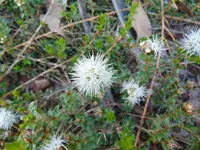
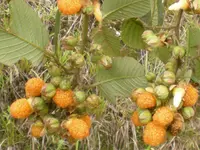
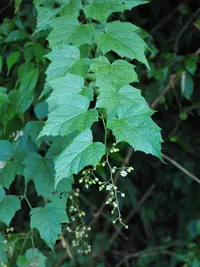
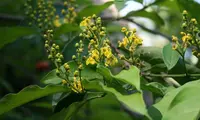
Rubus lambertianus is a woody shrub in the rose family, related to raspberries and blackberries. It often forms arching or scrambling canes with a bushy, bramble-like habit. Leaves are typically divided and toothed, and plants may carry small prickles along the stems. In season, it produces clusters of small flowers followed by berry-like fruits, which can attract wildlife.

This species occurs naturally in parts of East Asia, where it grows in forest edges, thickets, and disturbed slopes. It is generally vigorous and can spread, so site choice and space management matter when you care for Rubus lambertianus. It prefers sun to light shade, moderately moist soil, and good drainage.

Main Plant Requirements

Care Difficulty

Moderate Care

Light Preference

Partial Sun

Water Requirements

Moderate Water

Temperature Preference

Warm Climate

Hardiness Zone

8–10

Soil Texture

Loamy, Silty, Organic-rich

Soil pH

Acidic (5.5–6.5), Slightly acidic (6.5–7.0)

Soil Drainage

Moist but well-drained

Fertilization

Minimal (feed rarely)

Get Personalized Care Plan

Scan your plant to receive care tips personalized for your specific plant

Available on iOS and Android

How to Care for the Rubus lambertianus

This shrub prefers bright outdoor conditions with a balance of sun and shade.

  • Provide 4–6 hours of direct sun daily, ideally with morning sun and light afternoon shade to protect leaves from scorching.
  • Tolerates partial shade, but very dense shade reduces flowering and fruiting and encourages weak, elongated shoots.
  • In hot summers, use dappled or filtered light during midday; in cooler seasons, allow more direct sun to support strong growth for Rubus lambertianus.

This plant likes consistently moist but not saturated soil, especially during active growth.

  • Water when the top 3–5 cm of soil feels dry, aiming for deep soaking that reaches the root zone rather than frequent shallow watering.
  • Ensure well-drained soil; signs of overwatering include yellowing leaves and soft, dark roots, while underwatering shows wilting and crisp leaf edges.
  • Reduce watering frequency in fall and winter, but do not allow the root area of Rubus lambertianus to dry out completely for long periods.

This species is a hardy shrub that tolerates a wide temperature range outdoors.

  • Optimal growth occurs around 60–75°F (16–24°C), with strongest shoot and leaf development in mild spring and early summer conditions.
  • Plants usually tolerate down to about 10–15°F (-12 to -9°C) once established, though young shoots and buds can be damaged by late spring frosts.
  • In hot climates, plants cope with short periods up to 90°F (32°C) if soil moisture is maintained and roots are insulated with mulch to limit heat stress.

This species tolerates a wide humidity range and usually does not need special humidity management outdoors.

Rubus lambertianus prefers moist, well-aerated loam that drains freely but does not dry out quickly.

  • Use a loamy mix with high organic matter, such as garden loam blended with compost and leaf mold.
  • Aim for slightly acidic to neutral pH around 6.0–7.0 for best nutrient availability and root health.
  • Improve drainage and aeration by incorporating coarse sand or fine grit, especially in heavier clay-based soils.
  • Avoid waterlogged, compacted, or very shallow soils, which promote root rot and weak, shallow rooting.

This species can be grown in containers if the pot is large and stable enough for its vigorous, arching canes.

  • Choose a deep, heavy container to anchor the sprawling canes and reduce tipping in wind or when fruiting heavily.
  • Fill the pot with a loose, compost-rich mix that drains quickly but retains moderate moisture throughout the root zone.
  • Position the container where canes can be tied to a trellis or support so the vessel does not become unbalanced as growth extends.

This shrub tolerates lean soil but benefits from modest feeding during the active growing season.

  • Apply a balanced granular or slow-release fertilizer (around 10-10-10) once in early spring as new growth begins.
  • Supplement with a light top-dressing of compost around the root zone to improve soil structure and nutrient availability.
  • Use about half the label-recommended rate for ornamental shrubs to avoid excessive, weak growth.
  • Do not feed Rubus lambertianus in late fall or winter, when the plant is dormant.

Thoughtful pruning helps maintain health, shape, and flowering of Rubus lambertianus.

  • Carry out main pruning in late winter or very early spring, before buds break.
  • Remove dead, diseased, or damaged canes first, cutting back to healthy wood with clean, sharp bypass pruners.
  • Thin crowded stems at the base to improve airflow and light penetration through the canopy.
  • Shorten overly long or arching canes to control spread and encourage strong new shoots.

This bramble is usually grown in the ground, so transplanting matters more than container repotting.

  • Transplant in late fall or early spring when the plant is dormant and soil is workable.
  • Choose a sunny site with well-drained, moderately fertile soil and enough space for spreading canes.
  • Move plants only when growth is weak, overcrowded, or when roots form dense mats near the soil surface.
  • Dig a wide root ball, replant at the same depth, water thoroughly, and mulch to reduce root stress and moisture loss.

Rubus lambertianus is commonly propagated vegetatively to keep desirable traits consistent.

  • Use simple layering in spring: bend a flexible cane to the ground, pin it, cover a section with soil, and sever once rooted.
  • Take semi-ripe stem cuttings in late spring to summer, then root in moist, free-draining medium under high humidity and bright, indirect light.
  • Divide young clumps in early spring or fall, keeping several healthy buds and roots per division.
  • Seeds are less common; if used, cold-stratify and sow in a cool, well-drained seed mix.

This shrub is generally cold hardy in temperate climates and needs only light winter attention outdoors.

  • Tolerates typical frosts once established, but young plants benefit from extra protection in their first 1–2 winters.
  • Apply a 5–8 cm layer of organic mulch around the root zone, keeping it slightly away from the stems.
  • In very cold or exposed sites, loosely tie canes together to reduce wind damage and breakage.
  • For container-grown plants in colder regions, move pots into an unheated garage or sheltered porch to avoid deep soil freezing.

Care Tips

Install sturdy support

Set up a strong trellis, wire system, or fence before planting so new canes can be tied in loosely as they grow, which keeps growth upright, improves air flow, and makes harvesting and pruning much easier.

Rotate canes annually

After fruiting, remove the spent floricanes (2-year-old canes) at ground level and tie in only the healthiest new primocanes, which maintains productivity and reduces disease build-up when growing Rubus lambertianus.

Mulch for cane protection

Apply a 5–8 cm layer of coarse organic mulch around but not touching the canes to keep roots cool, reduce weed competition, and prevent soil splash that can spread fungal spores onto stems and leaves.

Netting and wildlife control

Use bird netting or a tensioned mesh frame just before fruits begin to color to protect the crop from birds and small mammals without restricting light or air movement.

Targeted pest scouting

Inspect developing flower clusters and young fruit weekly for signs of cane borers, aphids, or raspberry beetles, and remove affected tips or use an appropriate local control method before pests spread along the row.

Common Pests and Diseases

Raspberry beetle

This pest attacks flowers and young fruit, where larvae feed inside developing berries and cause dry, crumbly druplets and premature fruit drop.

Solution

Monitor flower clusters from early bloom and shake canes over a white tray to detect adults, then remove and destroy affected flowers and fruit. Encourage natural predators, use fine insect mesh around flowering canes if practical, and apply a targeted spinosad-based spray only at early flowering, following label directions and avoiding open pollinator activity.

Raspberry cane borer

This pest lays eggs in young canes, and larvae tunnel down the pith, causing wilting shoot tips and characteristic double-ring girdling on stems.

Solution

Inspect canes regularly in late spring and early summer and prune out wilted tips or stems just below the lower girdle ring, then destroy the removed material. Maintain vigorous, well-spaced canes to reduce stress and make inspection easier, and avoid leaving pruned material on the ground where larvae can complete development.

Anthracnose

This disease causes small sunken purple to gray lesions on canes and sometimes spots on leaves, which can weaken stems and reduce yield over time.

Solution

Prune out and destroy heavily spotted or dead canes during dry weather, and thin remaining shoots to improve light penetration and airflow. Avoid overhead watering, apply mulch to reduce splash, and in recurrent problem sites consider a labeled copper-based fungicide at bud break and after pruning as part of broader Rubus lambertianus care instructions.

Orange rust

This disease produces bright orange, powdery spore masses on the undersides of leaves, leading to weak, stunted canes and reduced fruiting over several years.

Solution

Remove and destroy entire infected plants as soon as orange pustules are seen, including roots, since the fungus is systemic and persists inside canes and crowns. Source new plants from certified disease-free nurseries, maintain good spacing and airflow, and avoid moving suspect plant material or tools between healthy and infected patches without cleaning.

Botrytis fruit rot

Symptoms include soft, water-soaked berries that quickly become covered in gray fuzzy mold, especially in cool, humid weather during ripening.

Solution

Harvest fruit promptly and frequently, removing any damaged or overripe berries from the plant and ground. Provide good spacing, prune to open the canopy, water at soil level rather than overhead, and in high-pressure, commercial-style plantings consider preventive use of a labeled Botrytis fungicide, rotating products to avoid resistance.

Interesting Facts

Chinese mountain bramble

This species is native mainly to montane forests and thickets of central and southern China, where it grows along forest margins, roadsides, and clearings at mid to high elevations.

Distinctive leaf underside

Its leaves are typically white-tomentose beneath, meaning they have a dense, white, felt-like hair layer that gives the underside a pale, almost silvery look compared with the green upper surface.

Arching, climbing habit

The long, flexible canes can arch and scramble over shrubs and small trees, allowing the plant to form dense, layered thickets that provide cover and food for wildlife.

FAQs about Rubus lambertianus

This species spreads by arching canes and rooting where tips touch the soil, so it can expand quickly. Use root barriers, regular pruning, and remove unwanted suckers to prevent it from overrunning nearby planting areas.

Grow Healthy Plants with Botan Care

Keep your plants happy and healthy with plant identification, disease detection, and easy care guidance.

Botan plant care app — identify plants on mobile

Explore More Plants