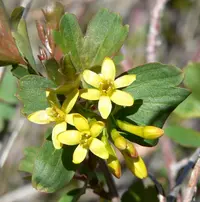
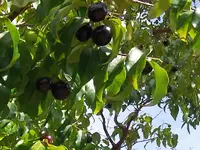
Washington DC Dewberry Care (Rubus flagellaris)

Also known as: northern dewberry, Common Dewberry, American Dewberry
Washington DC Dewberry

About Washington DC Dewberry

Washington DC dewberry (Rubus flagellaris) is a low, trailing bramble in the rose family, related to blackberry and raspberry. It forms arching, sometimes ground-hugging canes with small prickles and white spring flowers.

This species is native to eastern and central North America, often found along woodland edges, open fields, and roadsides. It produces small, dark, sweet berries that are attractive to both people and wildlife.

The plant is generally hardy and resilient, tolerating poor soils and some drought once established, which makes it relatively easy to grow. To care for Washington DC Dewberry successfully, provide sun to light shade, well-drained soil, and space for its canes to spread.

Main Plant Requirements

Care Difficulty

Easy Care

Light Preference

Full Sun

Water Requirements

Moderate Water

Temperature Preference

Cold Hardy

Hardiness Zone

3–9

Soil Texture

Sandy, Loamy, Rocky

Soil pH

Acidic (5.5–6.5), Slightly acidic (6.5–7.0)

Soil Drainage

Well-drained

Fertilization

Minimal (feed rarely)

Get Personalized Care Plan

Scan your plant to receive care tips personalized for your specific plant

Available on iOS and Android

How to Care for the Washington DC Dewberry

Rubus flagellaris is a sun-loving bramble that fruits best with strong, consistent light outdoors.

  • Provide 6–8 hours of direct sun daily; morning sun with light afternoon shade reduces leaf scorch in hot summers, especially for caring for Washington DC Dewberry in open sites.
  • Tolerates partial shade (4–5 hours sun) but fruit production and cane vigor decline as shade increases.
  • In cooler seasons and northern areas, full sun all day is ideal; in heatwaves above 90°F (32°C), temporary shade cloth or adjacent taller plants help prevent stress and wilting.

This species prefers evenly moist but not saturated soil, especially during establishment and fruiting.

  • Allow the top 3–5 cm of soil to dry before deep watering, then moisten the root zone 15–20 cm down rather than giving frequent shallow drinks.
  • In spring and early summer, monitor closely and water when new leaves soften or slightly droop; reduce watering in late fall and winter once canes are dormant.
  • Avoid standing water and heavy, compacted soil; signs of overwatering include yellowing lower leaves and soft canes, while crisp, browning leaf edges indicate underwatering.

This hardy bramble tolerates a wide temperature range but grows and fruits best in moderate conditions.

  • Active growth is strongest around 65–80°F (18–27°C); flowering and fruit set are most reliable within this range when moisture is consistent.
  • Dormant canes typically survive down to about -10°F (-23°C) with snow cover or mulch, though young plants benefit from a protective mulch layer in colder sites.
  • Heat above 90°F (32°C) can slow growth and soften fruit; provide mulch and afternoon shade, and avoid pruning heavily right before hard frosts or during extreme heat.

Rubus flagellaris handles a wide humidity range and usually does not need special adjustment outdoors.

  • Aim for 30–60% humidity, which matches typical outdoor conditions in most temperate regions.
  • Plants tolerate dry air but may show browned leaf edges and slower growth during extended hot, arid spells.
  • In unusually dry, hot sites, increase humidity slightly with nearby mulch and grouped plantings, which reduce moisture loss around the canes when caring for Washington DC Dewberry.

Rubus flagellaris prefers loose, well-aerated soil that holds moisture but drains freely.

  • Use a loamy mix with 40–60% mineral soil, 30–40% compost, and some coarse sand to keep structure open.
  • Aim for slightly acidic to neutral pH around 5.5–7.0 for balanced nutrient availability and root health.
  • Improve drainage and aeration by working in coarse sand or fine grit where native soil is heavy or compacted.
  • Avoid waterlogged, hardpan, or very shallow soils, which restrict root spread and increase risk of root rot.

This species can be grown in containers, but the plant stays healthier in large, stable setups that mimic in-ground rooting depth.

  • Choose a deep, heavy container (at least 30–40 cm tall) to support long canes and prevent tipping in wind.
  • Select thick-walled clay or cement pots when possible, as they moderate moisture swings and stabilize the root zone.
  • Raise the pot on feet or bricks so drainage holes stay clear and excess water escapes quickly, limiting root stress.

This native bramble usually needs minimal feeding, especially in reasonably fertile garden soil.

  • For fruiting plants, apply a light layer of compost or well-rotted manure in early spring around the root zone, avoiding direct stem contact.
  • Use a balanced slow-release fertilizer (around 10-10-10) at 1/2 label rate in spring only if growth or fruiting is weak.
  • Avoid summer and fall feeding so canes harden properly before winter and to reduce excessive leaf growth over fruit.
  • Wild stands and plantings of Washington DC Dewberry often perform well with soil organic matter alone.

Thoughtful pruning keeps Rubus flagellaris productive, contained, and easier to harvest.

  • Prune in late winter to early spring before new growth, when cane structure is easy to see.
  • Remove dead, diseased, or damaged canes at the base using sharp, clean bypass pruners or loppers.
  • Thin crowded live canes, leaving the strongest, well-spaced ones to improve airflow, light penetration, and fruit quality.
  • After harvest, cut spent fruiting canes to ground level, encouraging vigorous new primocanes for next year.

This species is usually grown in the ground, so focus on careful transplanting rather than frequent repotting.

  • Plan transplants for early spring or early fall when temperatures are mild and soil is moist but not waterlogged.
  • Move plants when growth slows or when canes escape their allotted space, lifting a generous root ball with a spade.
  • Set crowns at the same soil level in the new site, in well-drained soil, and water deeply to settle roots and remove air pockets.
  • Shade lightly and keep soil evenly moist for 1–2 weeks after moving to reduce transplant shock and support new root growth.

Rubus flagellaris is commonly propagated to expand productive patches or establish new plantings.

  • Tip layering in late summer works well: bend a vigorous cane tip to the soil, pin it down, and cover with 5–8 cm of loose soil.
  • Take 10–15 cm softwood cuttings in late spring, use a rooting hormone, and place in a moist, well-drained, shaded medium.
  • Divide small clumps in early spring or fall, keeping several healthy canes and plenty of fibrous roots per division.
  • Seeds can be sown after cold stratification, but this method is slower and more variable than layering or cuttings.

This bramble is cold hardy across much of its native range and usually needs little special winter care.

  • In regions with severe winters, apply a 5–8 cm layer of mulch around the base to insulate roots and moderate soil temperature.
  • Do not bury canes with heavy mulch; keep material slightly away from stems to reduce rot risk.
  • Container-grown plants are less insulated than in-ground plants and may need moving into an unheated garage or sheltered cold frame.

Care Tips

Cane training system

Install a simple 2–3 wire trellis and tie new canes loosely with soft ties in a fan shape to keep fruiting wood off the ground, improve airflow, and make harvest easier.

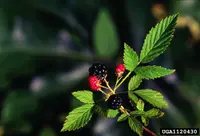
Selective cane renewal

Right after fruiting, cut out the spent, grayish-brown canes at ground level and leave only 4–6 of the strongest new canes per plant to maintain productivity and reduce disease pressure.

Mulch for spread control

Use a 5–8 cm layer of coarse wood chips or shredded bark around, but not touching, the crowns to suppress unwanted suckers and keep berries cleaner after rain.

Targeted suckering management

Let a limited number of well-placed suckers grow in the first row or patch, and promptly shovel-cut or pull those that appear in paths or unwanted areas to keep the thicket manageable when growing Washington DC Dewberry.

Bird and wildlife protection

Drape bird netting over a temporary frame just before berries turn from red to black, securing the edges to the ground, to protect ripening fruit without damaging the canes.

Common Pests and Diseases

Raspberry crown borer

This pest attacks the lower canes and crown, causing wilting, weak new shoots, and eventual cane death. Symptoms include swollen or cracked areas near the soil line and hollowed stems with tunneling larvae.

Solution

Remove and destroy any wilting or obviously infested canes at ground level to eliminate larvae. Keep plantings vigorous with proper spacing and avoid water stress, and in larger plantings consider a labeled biological or targeted insecticide treatment at the base of canes in late summer or early fall when eggs hatch.

Raspberry cane borer

This pest damages young canes by girdling the tips, leading to wilting and dieback of the top 10–20 cm. Symptoms include two narrow rings of small punctures around the cane just below the wilted section.

Solution

Prune off wilted cane tips 5–8 cm below the lowest ring of punctures and destroy them to remove larvae. Inspect new canes regularly in late spring and early summer and maintain diverse, unmowed edges away from plantings to reduce pest buildup near managed plants.

Anthracnose

This disease causes small sunken spots on canes and leaves that can merge into larger gray lesions, leading to weakened canes and reduced fruiting. Symptoms include rough, scabby areas on stems and sometimes misshapen or undersized fruit.

Solution

Prune out and remove heavily infected canes during dormant season, and thin plants to improve airflow and faster drying after rain. Avoid overhead watering when possible, apply mulch to reduce splash of spores from soil, and in repeated problem sites consider a labeled fungicide at early shoot growth and pre-bloom stages as part of broader Rubus flagellaris care instructions.

Orange rust

This disease is systemic in the plant and produces bright orange, powdery pustules on the undersides of leaves in spring, leading to stunted, spindly growth and very poor fruiting. Symptoms include early-season yellowed foliage and a lack of vigorous new canes.

Solution

Dig out and remove entire infected plants, including roots, since the fungus remains inside the plant for life. Monitor nearby plants each spring, destroy any new infections promptly, and keep stands open and not overcrowded to limit humidity that favors spore spread.

Botrytis fruit rot

This disease affects flowers and ripening fruit, leading to soft berries covered with gray, fuzzy mold, especially in wet or cool conditions. Symptoms include berries that fail to ripen properly and collapse quickly on the cane or after harvest.

Solution

Harvest fruit frequently and remove overripe or moldy berries from the planting area. Improve airflow by pruning excess canes, avoid wetting flowers and fruit when irrigating, and apply a mulch layer to reduce soil splash; in high-pressure situations, growers may use a labeled bloom-time fungicide as part of an integrated program.

Interesting Facts

Trailing cane strategy

This species spreads using long, trailing canes that root where they touch the soil, allowing a single plant to gradually form large clonal patches in open woodlands and along edges.

Preference for dry sites

Unlike many brambles that favor moist ground, this species commonly occupies dry, rocky slopes and sandy soils, especially in eastern and central North America.

Wildlife food resource

Its summer fruits are an important food source for many birds and small mammals, while dense, arching canes provide protective cover and nesting structure in shrubby habitats.

FAQs about Washington DC Dewberry

This species spreads by arching canes that root where they touch soil and by underground runners. In good conditions it can form dense thickets, so edging, regular pruning, or designated patches help keep it contained.

Grow Healthy Plants with Botan Care

Keep your plants happy and healthy with plant identification, disease detection, and easy care guidance.

Botan plant care app — identify plants on mobile

Explore More Plants