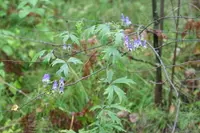
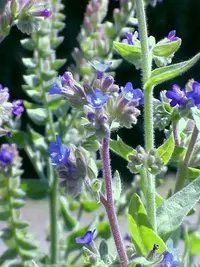
lotus vine Care (Lotus maculatus)

lotus vine

About lotus vine

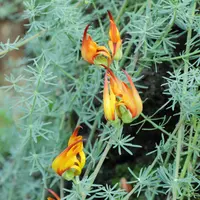
Lotus vine (Lotus maculatus) is a low, trailing or cascading evergreen perennial, often grown as a container, basket, or edging plant in mild climates. It forms fine, needle-like foliage with a soft, silvery-green look. In warm, bright conditions, it produces striking beak-shaped flowers in orange, red, or yellow tones, giving rise to the name parrot’s beak. This species is native to the Canary Islands, where it grows in sunny, coastal, and rocky habitats. It can be somewhat demanding, as it dislikes excess moisture, poor drainage, and deep shade, so consistent light and airy, well-drained soil are key when learning how to care for lotus vine.

Main Plant Requirements

Care Difficulty

Moderate Care

Light Preference

Full Sun

Water Requirements

Moderate Water

Temperature Preference

Tropical / Frost Sensitive

Hardiness Zone

9–11

Soil Texture

Sandy, Loamy, Organic-rich

Soil pH

Acidic (5.5–6.5), Slightly acidic (6.5–7.0)

Soil Drainage

Well-drained

Fertilization

Light (every 4–6 weeks)

Get Personalized Care Plan

Scan your plant to receive care tips personalized for your specific plant

Available on iOS and Android

How to Care for the lotus vine

This sun-loving vine needs bright exposure but must be protected from harsh extremes.

  • Provide 6–8 hours of direct sun daily, ideally with gentle morning sun and light afternoon shade, especially in hot climates.
  • Tolerates light or dappled shade for part of the day, but flowering drops and stems stretch if shade exceeds about 4–5 hours.
  • In summer, strong afternoon sun can scorch leaves; in winter, give the lotus vine the brightest, sunniest spot available to maintain compact growth.

Watering should keep the soil lightly moist but never saturated for long periods.

  • Water when the top 2–3 cm of soil feels dry, soaking the root zone thoroughly, then let excess drain away completely.
  • Reduce frequency in cool weather or when growth slows; increase slightly during hot, windy periods when Lotus maculatus is in active growth and flowering.
  • Watch foliage as a guide: yellowing, soft stems and a sour smell indicate overwatering, while crisp leaf edges and wilting in moist soil suggest root problems.

This species prefers mild, frost-free conditions for reliable growth and flowering.

  • Aim for 60–75°F (16–24°C) during active growth, which supports steady foliage and flower production without stress.
  • Plants tolerate brief dips to about 40°F (4°C) but are damaged or killed by frost; provide protection or grow in containers where winters fall below this.
  • Heat up to 85–90°F (29–32°C) is tolerated if soil does not dry out completely and the roots are shaded; extended extreme heat reduces flowering and can scorch foliage.

This species prefers moderately dry air and usually does not need special humidity control indoors.

  • Aim for 30–50% humidity; typical heated or air‑conditioned rooms are acceptable for lotus vine.
  • Leaves curling inward or developing dry, brown tips near heaters can signal low-humidity stress combined with heat.
  • Increase local humidity only if air is very dry by grouping plants together or placing the pot above, not in, a pebble-and-water tray.

Lotus maculatus grows best in light, sharply drained soil that dries quickly between waterings.

  • Use a sandy or gritty mix such as 50–60% potting mix blended with coarse sand and perlite for fast drainage and aeration.
  • Keep soil slightly acidic to neutral, roughly pH 6.0–7.0, which supports stable nutrient availability without encouraging root rot.
  • Avoid heavy, peat-dense or clayey substrates that stay wet, as waterlogged conditions quickly damage the fine roots.
  • For outdoor beds, loosen the top 20–25 cm, incorporate coarse sand or fine gravel, and form low mounds or raised areas to improve runoff.

This species is well suited to containers and hanging baskets when drainage and stability are carefully managed.

  • Choose a wide, shallow container that allows spreading roots and trailing stems while preventing excess soil volume that stays wet for too long.
  • Select terracotta or other porous materials in wet climates to help moisture evaporate faster and reduce the risk of root rot.
  • Anchor trailing stems or use a low rim and stable, weighted pots outdoors so wind does not flip the container as growth becomes denser.

This plant responds well to light, consistent feeding during active growth.

  • Use a balanced liquid fertilizer (for example 10-10-10) at 1/4–1/2 strength for lotus vine every 2–3 weeks in spring and summer.
  • Apply to moist soil to avoid root burn, and avoid getting fertilizer on foliage.
  • Pause or reduce feeding to once every 6–8 weeks in fall and winter when growth slows.
  • Slow-release granules can substitute liquids; use sparingly and follow label rates.

Thoughtful pruning helps Lotus maculatus stay compact and flower well.

  • Trim back long, straggly stems after the main flowering flush in late spring or summer to maintain a tidy, cascading shape.
  • Remove dead, diseased, or frost-damaged growth at any time using clean, sharp scissors or hand pruners.
  • Lightly pinch soft tips on young plants to encourage branching and denser foliage.
  • Avoid cutting into old, woody bases; focus on green, flexible stems for best regrowth.

Container-grown plants benefit from occasional repotting to maintain vigorous growth.

  • Repot when roots circle the pot, emerge from drainage holes, or when growth and flowering decline despite good care.
  • Plan to move Lotus maculatus every 1–2 years in early spring before strong new growth begins.
  • Choose a slightly larger container with excellent drainage and a lightweight, sandy mix to support aeration.
  • Gently loosen the root ball, trim broken roots, water well after repotting, and keep in bright, sheltered light for 3–5 days to limit stress.

Lotus maculatus is most commonly propagated from semi-ripe stem cuttings.

  • Take 7–10 cm non-flowering cuttings in late spring or early summer, just as stems begin to firm.
  • Remove lower leaves, dip the cut end in rooting hormone, and insert into a well-drained mix of perlite and peat or coco coir.
  • Maintain bright, indirect light, high humidity, and a stable temperature around 68–75°F for rooting.
  • Seed propagation is possible but slower; lightly cover fresh seed and keep evenly warm and just moist until germination.

This species is frost-tender and needs protection in regions with cold winters.

  • In climates below 40°F, grow Lotus maculatus in containers that can be moved indoors before the first frost.
  • Overwinter plants in a bright, cool room (50–60°F) with reduced but consistent watering.
  • Avoid waterlogged soil in winter, as cold, wet roots are prone to rot.
  • Use a light mulch on outdoor plants in very mild climates to insulate the root zone.

Care Tips

Support For Cascades

Install a low, rigid wire frame or balcony rail for stems to drape over so the plant can form dense, even cascades without kinking or breaking at the container rim.

Pinch For Density

Regularly pinch just the soft stem tips during active growth to encourage branching and a fuller, more flower-heavy display rather than a few long, sparse shoots.

Container Edge Management

Rotate the pot a quarter turn every 7–10 days so all sides receive similar light exposure, which keeps the canopy even and prevents bald, shaded sections near the back of the container.

Seasonal Rejuvenation Cut

After the main flowering flush, remove any leggy, woody, or flowerless stems back to younger growth to stimulate fresh shoots and maintain a compact form for the next season when caring for lotus vine.

Monitoring Salt Build‑Up

Leach the potting mix every 4–6 weeks by watering thoroughly until excess drains from the pot to reduce fertilizer salt accumulation that can burn the fine roots of this plant.

Common Pests and Diseases

Aphids

This pest feeds on young shoots and undersides of leaves, causing curling, distortion, and sticky honeydew that can attract sooty mold. Symptoms include stunted new growth and clusters of small soft-bodied insects at stem tips.

Solution

Rinse stems and foliage with a strong but controlled stream of water to dislodge colonies, then spot-treat remaining insects with insecticidal soap or a neem oil spray, repeating weekly until control is achieved. Encourage good airflow and avoid excessive nitrogen fertilization, which promotes soft, aphid-prone growth when caring for lotus vine.

Spider mites

These insects are tiny arachnids that thrive in hot, dry conditions and cause fine speckling, bronzing, and eventual leaf drop. Symptoms include very fine webbing between stems and leaves, especially on stressed or indoor plants.

Solution

Increase humidity around the plant and wash foliage thoroughly, including leaf undersides, with lukewarm water or insecticidal soap to remove mites and webs. Repeat treatments every 5–7 days for several cycles and keep plants slightly cooler and out of hot, stagnant air to prevent reinfestation.

Leaf spot

This disease produces small brown to dark lesions on foliage that may enlarge, merge, and lead to premature leaf drop in dense, humid conditions. Symptoms include spots with yellow halos and a general thinning of the canopy.

Solution

Remove and discard affected leaves and any fallen debris to reduce the source of infection, then improve air circulation by spacing plants and avoiding overhead watering. If conditions stay humid and spotting progresses, apply a copper-based or other ornamental-safe fungicide according to label directions and keep foliage as dry as possible.

Botrytis blight

This disease is caused by Botrytis cinerea and is favored by cool, damp, and poorly ventilated conditions, leading to gray fuzzy mold on flowers, stems, and foliage. Symptoms include water-soaked patches that quickly turn brown and collapse, especially on dense hanging baskets or container plantings.

Solution

Cut away and discard all affected tissues and any nearby fading flowers, then increase light and airflow and avoid wetting the foliage. In persistent cases, use a labeled ornamental fungicide for Botrytis and adjust watering so the surface dries between irrigations, especially during cool, cloudy periods.

Whiteflies

This pest consists of tiny white winged insects that fly up when the plant is disturbed and feed on leaf sap, causing yellowing, leaf drop, and honeydew deposits. Symptoms include a gradual decline in vigor and the presence of small white eggs or nymphs on leaf undersides.

Solution

Vacuum or shake adults off the plant, then focus on the immature stages by regularly spraying the undersides of leaves with insecticidal soap or neem oil. Combine treatments with yellow sticky traps to monitor and reduce adult numbers, and maintain good plant vigor so new growth can replace damaged foliage.

Interesting Facts

Canary Islands origin

Lotus maculatus is native to the Canary Islands, where it naturally grows on dry, rocky coastal slopes with intense sun and rapidly draining volcanic soils.

Nectar guide markings

The flowers have distinctive red markings on the yellow petals, which act as visual nectar guides that help attract and orient pollinating insects to the nectar source.

Adapted to poor soils

As a legume, Lotus maculatus forms root nodules with nitrogen-fixing bacteria, allowing it to grow in nutrient-poor, sandy or rocky substrates where many other ornamentals struggle.

Botan icon

Did you know?

In mild coastal climates, Lotus maculatus can form low, cascading mats over walls and cliffs, creating bright yellow and red floral carpets that are highly valued in ornamental coastal plantings.

FAQs about lotus vine

Poor flowering usually comes from insufficient light, excess nitrogen fertilizer, or pruning at the wrong time. This plant blooms on new growth, so provide strong light, moderate feeding, and avoid hard pruning just before the main flowering period.

Grow Healthy Plants with Botan Care

Keep your plants happy and healthy with plant identification, disease detection, and easy care guidance.

Botan plant care app — identify plants on mobile

Explore More Plants