


Encourage Compact Growth
Pinch back soft stem tips after flowering to encourage a denser, multi-stemmed plant and more flowering nodes the following season.

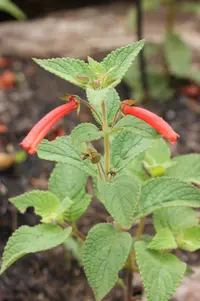
Sinningia incarnata is a compact, tuber-forming perennial from the Brazilian Atlantic forest, related to African violets. It typically grows as a clump with soft, hairy leaves and tubular flowers in shades of pink to red. The plant often rests or goes partially dormant after flowering, then resprouts from its tuber when conditions improve. This cycle makes it long lived but slightly less predictable in appearance. It suits growers who enjoy seasonal change and do not mind a rest period. In cultivation, it prefers bright, indirect light, moderate moisture, and a free-draining, slightly airy potting mix, which helps simplify how to care for Sinningia incarnata.

Care Difficulty
Moderate Care

Light Preference
Partial Shade

Water Requirements
Moderate Water

Temperature Preference
Tropical / Frost Sensitive

Hardiness Zone
10–11

Soil Texture
Sandy, Loamy, Organic-rich

Soil pH
Acidic (5.5–6.5), Slightly acidic (6.5–7.0)

Soil Drainage
Well-drained

Fertilization
Light (every 4–6 weeks)
Scan your plant to receive care tips personalized for your specific plant
Available on iOS and Android
This species prefers bright, indirect light with some gentle direct sun.
Watering should respect the plant’s tuberous roots and need for brief drying between soakings.
This plant prefers warm, stable temperatures with protection from frost and extreme heat.
This species prefers moderately humid air but copes with typical indoor levels.
This tuberous species needs a loose, fast-draining mix that still holds moderate moisture.
This species is well suited to container growing, including small decorative pots.
This tuberous species benefits from light, consistent feeding during active growth for best foliage and flower production.
Pruning is mainly used to keep this plant tidy and to encourage bushier flowering growth.
This tuberous plant prefers infrequent but careful repotting or transplanting to avoid disturbing its storage organs.
This species is commonly propagated from tubers, stem cuttings, or seed under warm, stable conditions.
This tender plant has low frost tolerance and needs protective winter care in climates colder than mild subtropical conditions.

Plant Health Check
Not sure what's wrong with your plant? Check your plant's health inside the app.
This species forms a perennial underground tuber that allows it to survive a pronounced dry or cool resting period, during which the aboveground parts can die back completely while the plant remains alive below the soil surface.
In its native South American range, the long, tubular, rose-pink flowers are adapted for hummingbird pollination, with nectar positioned deep in the corolla so that visiting birds contact the anthers and stigma while feeding.
Sinningia incarnata is naturally found only in limited areas of southeastern Brazil, especially in rocky and often seasonally dry habitats, which influences many of the practical Sinningia incarnata care instructions used by growers.
Lack of blooming usually comes from inadequate light, insufficient nutrients, or a pot that is too large. A short, cool rest period after flowering also supports bud formation the following season.
Keep your plants happy and healthy with plant identification, disease detection, and easy care guidance.

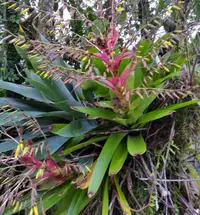
Vriesea philippocoburgii
Vriesea philippocoburgii
 POPULAR
Chinese hibiscus
Hibiscus rosa-sinensis
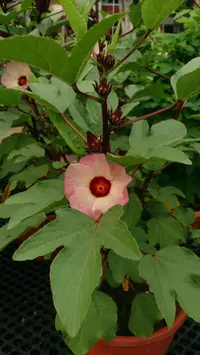
Roselle
Hibiscus sabdariffa
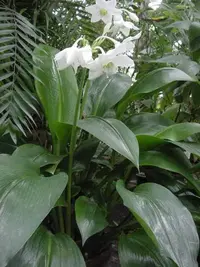
Amazon Lily
Urceolina × grandiflora
Guzmania scherzeriana
Guzmania scherzeriana

green shield alocasia
Alocasia clypeolata
fiery costus
Chamaecostus cuspidatus
Green bonnet orchid
Pleurothallis ruscifolia