congonita Care (Peperomia inaequalifolia)

congonita

About congonita

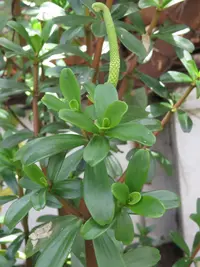
Congonita, Peperomia inaequalifolia, is a compact evergreen houseplant from tropical regions of South America, where it grows in warm, humid forest conditions. It belongs to the pepper family and is typically grown for its attractive, fleshy leaves rather than flowers.

Plants usually form low, bushy clumps with slightly thick, smooth leaves that store water, giving them some tolerance to short dry spells. Stems stay relatively short, so it suits desks, shelves, and small indoor spaces.

Because it prefers bright, indirect light, moderate warmth, and a well‑drained potting mix, many growers find it straightforward to care for congonita once these basics are provided.

Main Plant Requirements

Care Difficulty

Easy Care

Light Preference

Bright Indirect Light

Water Requirements

Moderate Water

Temperature Preference

Tropical / Frost Sensitive

Hardiness Zone

11–12

Soil Texture

Loamy, Peaty, Organic-rich

Soil pH

Acidic (5.5–6.5), Slightly acidic (6.5–7.0)

Soil Drainage

Well-drained

Fertilization

Light (every 4–6 weeks)

Get Personalized Care Plan

Scan your plant to receive care tips personalized for your specific plant

Available on iOS and Android

How to Care for the congonita

This species prefers bright, indirect light with brief, gentle direct sun rather than intense exposure.

  • Provide 6–8 hours of bright, filtered light daily, such as near an east or lightly shaded south window, or under dappled outdoor shade.
  • Allow soft morning sun but protect from harsh midday and afternoon rays, which can scorch leaves and cause pale patches or crispy edges on congonita.
  • In winter, move plants closer to bright windows or use supplemental light if stems stretch and leaves space out, a sign of low light.

Peperomia inaequalifolia prefers light, even moisture with thorough but infrequent watering.

  • Water only when the top 2–4 cm of soil feels dry, then soak until excess drains away; do not leave the pot standing in water.
  • Reduce watering in fall and winter when growth slows, letting the soil dry a bit deeper while avoiding complete bone-dry conditions for many days.
  • Watch leaves: yellowing, mushy foliage indicates overwatering or poor drainage, while thin, drooping, or curling leaves signal the plant stayed too dry.

This plant thrives in stable, warm temperatures typical of human comfort levels.

  • Keep Peperomia inaequalifolia at 65–80°F (18–27°C) for best growth, avoiding sudden temperature swings from drafts, heaters, or air conditioners.
  • Protect it from cold; growth slows below 60°F (16°C), and prolonged exposure under 50°F (10°C) can cause leaf drop and root damage.
  • It tolerates short heat spikes up to about 86°F (30°C) if humidity and watering are managed, but must be shielded from frost and chilling winds year-round.

This species handles typical indoor humidity but benefits from slightly moist air.

  • Aim for 40–60% humidity, which suits most homes and keeps foliage firm.
  • It tolerates short periods of drier air, but prolonged levels below 30% can cause leaf edges to crisp and tips to brown.
  • If congonita leaves curl or feel papery, group plants, use a small humidifier nearby, or place the pot on a pebble tray above water.

Peperomia inaequalifolia prefers a loose, airy, fast-draining mix that still holds some moisture.

  • Use a base of peat or coco coir with added perlite and fine orchid bark to create a chunky, organic-rich texture.
  • Ensure rapid drainage; water should drain through in seconds, leaving the mix slightly moist but never waterlogged.
  • Aim for slightly acidic to neutral pH, about 6.0–7.0, which most standard houseplant mixes provide.
  • Avoid heavy garden soil or pure compost, which compacts, suffocates roots, and increases the risk of rot.

This species is well suited to container growing due to its compact, shallow-rooted habit.

  • Choose a wide, shallow pot that matches the shallow root system, so the mix dries evenly instead of staying wet at the bottom.
  • Use containers with multiple drainage holes to allow rapid runoff when watering and reduce the chance of water collecting in one area.
  • In very warm, dry rooms, select plastic or glazed ceramic pots, which slow evaporation and give more consistent moisture than porous terracotta.

Peperomia inaequalifolia is a modest feeder that benefits from light, consistent nutrition during active growth.

  • Use a balanced liquid fertilizer (around 10-10-10 or 20-20-20) diluted to 25–50% strength for caring for congonita indoors.
  • Feed every 4–6 weeks in spring and summer when growth is most active.
  • Stop or reduce feeding to 1 light application in late fall if growth slows in winter.
  • Compost or slow-release pellets can be mixed sparingly into the top layer of a well-draining potting mix.

Pruning helps Peperomia inaequalifolia maintain a compact, well-branched form indoors.

  • Time light pruning for spring or early summer when the plant is actively growing.
  • Remove dead, yellowing, or damaged leaves with clean, sharp scissors or small pruners.
  • Pinch or cut back long, leggy stems just above a node to encourage bushier growth.
  • Thin congested stems slightly to improve light penetration and airflow without over-thinning.

This species prefers snug pots and only needs occasional repotting to refresh soil and relieve root congestion.

  • Check for roots circling the pot, pushing through drainage holes, or noticeably slowed growth as signs it needs attention.
  • Plan repotting for spring, about every 2–3 years, when active growth can help the plant recover.
  • Move to a pot only 2–3 cm wider, using a loose, well-draining mix to limit root rot risk.
  • Handle the root ball gently, loosen only the outer roots, water lightly afterward, and keep in bright, indirect light for several days.

Peperomia inaequalifolia is commonly propagated from stem cuttings taken during the growing season.

  • Take 5–8 cm stem cuttings with 2–3 nodes in spring or early summer using sterile scissors.
  • Remove lower leaves, then place cuttings in moist, well-draining mix or water, keeping only nodes buried or submerged.
  • Maintain bright, indirect light, 70–80°F temperatures, and high humidity (a vented cover works well) for rooting.
  • Once roots reach about 2–3 cm, pot cuttings carefully and keep slightly moist until established.

This tropical species is not frost tolerant and needs mild, stable conditions through winter.

  • Keep temperatures around 60–75°F; avoid locations below 55°F or drafty windowsills.
  • Move container plants indoors before outdoor temperatures fall near 50°F, giving bright, indirect light.
  • Reduce watering in winter, allowing the top 2–3 cm of soil to dry between waterings to prevent root issues.

Care Tips

Rotate For Symmetry

Turn the pot 90° every 1–2 weeks so stems do not lean toward one side and the plant develops an even, compact canopy.

Use Shallow Containers

Choose a wide, shallow pot rather than a deep one to match the plant’s fine, shallow roots and reduce the risk of water sitting in the lower soil profile.

Clean Fleshy Leaves

Wipe the thick leaves gently with a damp, soft cloth every 4–6 weeks to remove dust, improve light capture, and let you spot early pest activity.

Pinch To Encourage Branching

Pinch off soft stem tips with clean fingers or scissors to encourage side shoots and a fuller, bushier plant rather than long, sparse stems.

Quarantine New Plants

Keep any new houseplant in a separate area for 2–3 weeks before placing it nearby, which reduces the risk of spider mites or mealybugs spreading and supports healthier long-term growing congonita.

Common Pests and Diseases

Mealybugs

This pest feeds on sap and hides in leaf joints and along stems, leaving white cottony clusters and sticky honeydew. Symptoms include distorted new growth and a general decline in vigor.

Solution

Remove visible insects with a cotton swab dipped in 70% isopropyl alcohol, then rinse the plant with lukewarm water to dislodge hidden pests. Isolate the plant, repeat spot treatments weekly until no new mealybugs appear, and improve light and air movement to support Peperomia inaequalifolia care.

Spider mites

These insects thrive in warm, dry indoor air and cause tiny pale speckles on leaves and fine webbing between stems and leaf undersides. Left unchecked, foliage becomes dull, rough, and may drop prematurely.

Solution

Shower the plant under a gentle stream of lukewarm water, focusing on the undersides of leaves, then increase humidity and reduce heat stress. For persistent infestations, use a horticultural soap or neem oil spray every 7–10 days, ensuring thorough coverage of all leaf surfaces.

Fungus gnats

This pest develops in constantly moist potting mix and appears as small black flies hovering around the soil surface. Larvae feed on organic matter and fine roots, which can weaken the plant, especially in compact or poorly drained substrates.

Solution

Allow the top 2–3 cm of soil to dry between waterings, then use yellow sticky traps to capture adults. For heavier problems, drench the soil with a biological control such as Bacillus thuringiensis israelensis (BTI) according to label directions and repot into a well-draining mix if the substrate stays wet too long.

Oedema

This disorder occurs when roots absorb water faster than leaves can transpire, leading to small corky, blistered, or rough patches on the leaf surface. Peperomia leaves may show these raised spots especially in low light and cool, very moist conditions.

Solution

Reduce watering frequency so the top of the mix dries slightly between waterings and provide brighter indirect light. Improve air movement and avoid sudden temperature drops, and remove only the most damaged leaves if they are unsightly.

Pythium root and stem rot

This disease is favored by overwatering, poor drainage, and cool, stagnant conditions, causing blackened, mushy roots and basal stem collapse. Symptoms include sudden wilting, leaf yellowing, and a sour smell from the potting mix.

Solution

Discard severely affected plants; for early cases, unpot, trim off all soft, dark tissue, and repot into fresh, well-draining mix in a clean container. Adjust watering to keep the soil lightly moist, never saturated, and ensure adequate drainage holes and good air circulation around the plant.

Interesting Facts

Variable leaf surfaces

This species naturally produces leaves with uneven surfaces, a trait reflected in the name inaequalifolia, which means uneven-leaved in Latin and helps distinguish it from smoother-leaved Peperomia relatives.

Epiphytic growth habit

In its native Andean range, this plant often grows epiphytically on tree trunks and branches, anchoring to bark rather than soil while still relying on rain and debris for moisture and nutrients.

Thick, succulent foliage

The leaves are mildly succulent, storing water in their thick tissues, an adaptation that helps them tolerate brief dry spells in the fluctuating humidity of montane forests and supports practical Peperomia inaequalifolia plant care indoors.

FAQs about congonita

Yellowing leaves usually result from overwatering, waterlogged soil, or poor drainage, sometimes combined with low light. Check the root zone, improve drainage, and allow the top layer of soil to dry slightly between waterings to prevent further stress.

Grow Healthy Plants with Botan Care

Keep your plants happy and healthy with plant identification, disease detection, and easy care guidance.

Botan plant care app — identify plants on mobile

Explore More Plants