Epidendrum centropetalum Care

Epidendrum centropetalum

About Epidendrum centropetalum

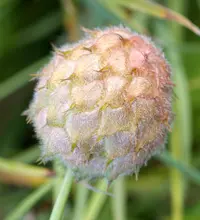
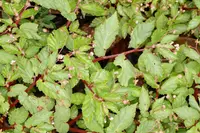
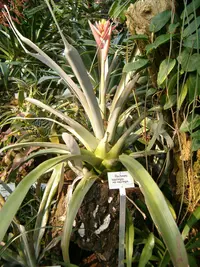
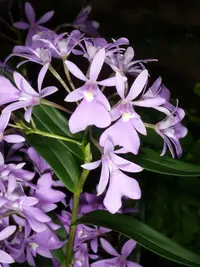
Epidendrum centropetalum is a small to medium epiphytic orchid, typically growing on trees rather than in soil. It forms clumps of slender stems with narrow leaves and delicate, often colorful flowers. This species is native to tropical regions of Central and South America, where it experiences bright light, good air movement, and frequent moisture with fast drying. Its relatively compact size and adaptable nature make it moderate in difficulty, manageable for growers with some basic orchid experience. Understanding how to care for Epidendrum centropetalum mainly involves providing bright indirect light, regular but light watering, and a very free-draining orchid substrate.

Main Plant Requirements

Care Difficulty

Moderate Care

Light Preference

Partial Shade

Water Requirements

Moderate Water

Temperature Preference

Tropical / Frost Sensitive

Hardiness Zone

Unknown

Soil Texture

Organic-rich, Loamy

Soil pH

Acidic (5.5–6.5)

Soil Drainage

Well-drained

Fertilization

Light (every 4–6 weeks)

Get Personalized Care Plan

Scan your plant to receive care tips personalized for your specific plant

Available on iOS and Android

How to Care for the Epidendrum centropetalum

This orchid prefers bright, filtered light similar to high, lightly shaded tree branches.

  • Provide 4–6 hours of bright, indirect light daily, such as dappled sun under a shade cloth or tree canopy, avoiding harsh midday rays.
  • Tolerates mild early-morning or late-afternoon sun, but leaves should stay medium green; yellowing or scorched patches indicate excessive direct sun.
  • In summer, shift Epidendrum centropetalum to slightly more shade during intense sun; in winter, move it to a brighter position to compensate for shorter days.

Watering should balance consistent moisture with rapid drainage around the roots.

  • Allow the top 2–3 cm of the medium to dry slightly before watering again, then soak thoroughly so water drains freely away from the roots.
  • Reduce watering frequency in cooler months, but never let the plant stay bone dry for long; pseudobulbs and leaves wrinkling indicate underwatering.
  • Soft, yellowing leaves, blackened roots, or a sour smell from the medium suggest overwatering or poor drainage, so improve aeration and let excess moisture escape.

This species performs best in intermediate to warm conditions with modest day–night variation.

  • Aim for 65–80°F (18–27°C) during active growth, with nights slightly cooler to support flowering and overall vigor.
  • Avoid prolonged drops below 50°F (10°C); short exposure near this limit is usually tolerated, but freezing temperatures can kill tissues and roots.
  • In hot spells above 85°F (29°C), increase air movement and shade to prevent heat stress, and avoid placing the plant in enclosed, stagnant locations.

This orchid prefers moderately humid air but adapts to typical indoor conditions if monitored.

  • Aim for 50–70% humidity, using a hygrometer to avoid extremes.
  • Tolerates brief drops to 35–40%, but buds may abort and leaf tips may brown if kept too dry.
  • Increase humidity with a pebble tray or nearby humidifier, and improve air movement to prevent fungal spots.

This epiphytic orchid needs a very airy, fast-draining medium rather than compact mineral soil.

  • Use a chunky orchid mix based on medium bark with added perlite and a small amount of sphagnum moss for moisture retention.
  • Structure should be loose and open so roots receive abundant air and excess water drains in seconds, not minutes.
  • Maintain a slightly acidic to neutral reaction, around pH 5.5–7, which suits typical commercial orchid substrates.
  • Avoid dense potting soil, fine peat, or unamended garden soil, which pack around roots and promote rot in Epidendrum centropetalum.

This species is well suited to container culture when drainage and root aeration are prioritized.

  • Choose a narrow, relatively deep pot or orchid basket to accommodate vertical root growth while limiting excess unused medium that can stay wet.
  • Select a rigid, heavier container or add weight at the base if tall stems make the plant prone to tipping in wind or on balconies.
  • Use side-slotted or net pots to increase lateral airflow around roots, especially in humid or cool climates where drying is slower.

This orchid benefits from light, consistent feeding during active growth for reliable flowering.

  • Use a balanced water-soluble orchid fertilizer (around 20-20-20) diluted to 1/4–1/2 strength for Epidendrum centropetalum.
  • Feed every 2–3 weeks in the growing season, applying to pre-moistened medium to avoid root burn.
  • Reduce feeding to once every 4–6 weeks in winter or when growth slows noticeably.
  • Flush the pot with plain water monthly to remove accumulated salts from the medium.

Pruning is mainly hygienic and shaping, helping this orchid focus energy on healthy growth and blooms.

  • Best time to prune Euphorbia trigona is late winter or very early spring before vigorous new growth starts.
  • Remove spent flower spikes by cutting them close to the base once they turn brown and dry.
  • Trim dead, damaged, or shriveled canes with clean, sharp scissors or pruning shears to improve air flow.
  • Avoid cutting green, firm canes, as they store energy and support future flowering and new shoots.

Repotting keeps roots healthy and the medium fresh, which supports strong growth and flowering.

  • Check for crowded roots circling the pot, slow growth, or broken-down medium as signs it needs repotting.
  • Repot every 2–3 years in late winter or early spring, just before new root and shoot growth begins.
  • Use a slightly larger pot with a very free-draining orchid mix, handling roots gently and trimming only dead sections.
  • After repotting, keep the plant shaded, slightly drier, and well ventilated for 1–2 weeks to limit transplant shock.

Propagation is usually done by division of mature plants rather than by seed at home.

  • Divide clumps in late winter or early spring when repotting, once E. centropetalum has several healthy canes.
  • Ensure each division carries at least 3–4 vigorous canes and a good portion of live roots.
  • Plant divisions in fresh, airy orchid mix and stake loosely to keep them upright and stable.
  • Maintain bright, indirect light, high humidity (50–70%), and slightly reduced watering until new roots establish.

Winter care focuses on avoiding freezing temperatures and keeping roots slightly drier than in summer.

  • Epidendrum centropetalum is frost sensitive and should be kept above 50°F, ideally 55–65°F in winter.
  • Move container plants indoors or to a heated greenhouse before night temperatures fall near 50°F.
  • Provide bright, indirect light and good air circulation while slightly reducing watering to prevent cold, wet roots.
  • Avoid fertilizing heavily in winter; resume stronger feeding as days lengthen and growth restarts.

Care Tips

Mounting technique

Grow this species on cork or tree fern slabs with a thin layer of sphagnum around the roots to mimic its epiphytic habit and improve air movement, but secure the plant loosely so new roots can attach without constriction.

Airflow management

Use a small oscillating fan on a low setting near the plant to keep air gently moving around the foliage and roots, which reduces fungal problems and helps the roots dry predictably between waterings.

Root health checks

Inspect roots every 6–12 months by gently lifting the plant from its pot or mount; trim only clearly dead, hollow, or mushy roots with sterilized tools to reduce rot and support new, healthy growth.

Bloom spike support

As flower spikes extend, tie them loosely to thin stakes or orchid clips to keep them upright and prevent kinking at the base, which can shorten the blooming period.

Seasonal rest adjustment

In late autumn, slightly reduce watering frequency and fertilizer strength while keeping light levels high, then gradually increase both again in early spring to align with the plant’s natural growth cycle when caring for Epidendrum centropetalum.

Common Pests and Diseases

Scale insects

This pest often settles on orchid canes and undersides of leaves, forming small brown or whitish bumps that suck sap and weaken the plant. Symptoms include sticky honeydew, sooty mold, and slow, stunted growth.

Solution

Remove heavily infested stems or leaves and wipe remaining areas with cotton pads dipped in isopropyl alcohol, repeating weekly until no new insects appear. Improve air movement around the plant, avoid overfertilizing with high nitrogen, and, if needed, use a labeled horticultural oil or insecticidal soap, making sure the spray reaches leaf joints and cane crevices.

Mealybugs

This pest hides in leaf axils and around flower spikes, appearing as white, cotton-like masses that feed on plant sap. Symptoms include distorted new growth, sticky residue, and poor flowering.

Solution

Isolate the plant, then physically remove visible clusters with a cotton swab dipped in isopropyl alcohol and rinse the plant gently with lukewarm water. Follow up with targeted applications of insecticidal soap or a systemic insecticide labeled for orchids, and inspect frequently, as caring for Epidendrum centropetalum often requires early detection of these concealed insects.

Spider mites

These insects thrive on Epidendrum foliage in warm, dry conditions, causing fine stippling, dull leaves, and occasional webbing on the undersides. Symptoms include yellowing and premature leaf drop if populations are high.

Solution

Increase humidity around the plant, rinse foliage thoroughly with a gentle spray of water, and wipe leaves to remove mites and eggs. If infestation persists, apply a miticide or insecticidal soap labeled for mites, treating the underside of leaves and repeating at 5–7 day intervals to break the life cycle.

Bacterial brown spot

This disease causes water-soaked, translucent patches on leaves that quickly turn brown and sunken, sometimes with a yellow halo. Symptoms include a rapid spread of lesions in warm, wet conditions and a foul smell if tissue is severely affected.

Solution

Immediately remove and discard affected leaves with sterile tools, then allow the plant to dry quickly after watering and avoid water sitting in leaf axils. Improve air circulation, reduce overhead watering, and, if spread continues, use a copper-based bactericide labeled for orchids, following all label directions carefully.

Leaf tip burn from salts

Symptoms include browning and drying of leaf tips and margins, often progressing slowly from the edge inward, while the rest of the leaf may remain green. This physiological issue occurs when fertilizer salts or hard water accumulate in the potting medium and root zone, stressing the plant.

Solution

Flush the potting medium thoroughly with clean, low-mineral water every 4–6 weeks and reduce fertilizer concentration, using a balanced orchid fertilizer at 1⁄4–1⁄2 strength. If the medium is old or crusted with deposits, repot into fresh, free-draining orchid mix and switch to softer water or filtered water when possible.

Interesting Facts

Cloud-forest specialist

This species is native to cool, humid Andean cloud forests, where it often grows on mossy tree branches exposed to frequent mist and low light levels filtered through dense canopy.

Clustered orange blooms

It produces many small, bright orange flowers in dense clusters on upright stems, a trait that helps attract pollinators in the visually complex cloud-forest environment.

Adapted aerial roots

Its thick, spongy aerial roots are adapted to absorb water quickly from fog and rain, an efficient strategy for an epiphyte that experiences short but frequent moisture pulses.

FAQs about Epidendrum centropetalum

Lack of blooms usually comes from inadequate light, insufficient fertilizer, or stress from recent repotting. Provide bright conditions, a balanced orchid fertilizer during active growth, and avoid frequent disturbance of the roots and pseudobulbs.

Grow Healthy Plants with Botan Care

Keep your plants happy and healthy with plant identification, disease detection, and easy care guidance.

Botan plant care app — identify plants on mobile

Explore More Plants