Elephant's Ear Care (Alocasia Safari Morocco)

About Elephant's Ear

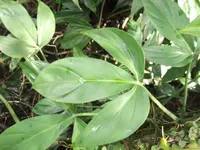
Elephant's ear (Alocasia Safari Morocco) is a compact tropical aroid grown mainly for its bold foliage. It typically has upright, arrow-shaped leaves with strong veins and a glossy surface. Plants grow in a clumping habit, making them suitable for containers and indoor displays.

This cultivar comes from jungle environments in tropical Asia, where it grows in warm, shaded, and consistently moist conditions. Its need for stable warmth, high humidity, and evenly moist but airy soil makes it moderately challenging for beginners. Understanding how to care for Elephant's Ear helps keep the plant healthy and prevent leaf stress indoors.

Main Plant Requirements

Care Difficulty

Moderate Care

Light Preference

Bright Indirect Light

Water Requirements

Keep Soil Moist

Temperature Preference

Tropical / Frost Sensitive

Hardiness Zone

10–11

Soil Texture

Loamy, Peaty, Organic-rich

Soil pH

Acidic (5.5–6.5), Slightly acidic (6.5–7.0)

Soil Drainage

Moist but well-drained

Fertilization

Moderate (every 2–4 weeks)

Get Personalized Care Plan

Scan your plant to receive care tips personalized for your specific plant

Available on iOS and Android

How to Care for the Elephant's Ear

Alocasia Safari Morocco needs bright, filtered light that mimics the dappled shade of a tropical understory.

  • Provide 6–8 hours of bright, indirect light daily, such as near an east or north window or under light tree shade outdoors.
  • Allow gentle morning sun but protect from strong midday and afternoon sun, which can cause leaf scorch and faded patches on Elephant's Ear foliage.
  • In winter, move closer to the light source or add grow lights if days are short, watching for stretched, leaning stems as a sign of low light.

Alocasia Safari Morocco prefers evenly moist soil but is sensitive to both drought and waterlogging.

  • Water when the top 2–3 cm of soil feel dry, using enough water to moisten the root zone, then let excess drain away completely.
  • Use a rich, well-draining mix and a pot or bed with free drainage to reduce the risk of root rot, yellowing leaves, and mushy stems from overwatering.
  • In cooler, low-light months, expect slower drying; reduce watering frequency and watch for drooping, curling leaves or dry edges as signs it is staying too dry.

This plant grows best in consistently warm, frost-free conditions that stay similar to a humid tropical climate.

  • Maintain an ideal range of 65–80°F (18–27°C) for active growth, avoiding large temperature swings between day and night.
  • Protect from cold; growth slows below about 60°F (16°C), and tissue damage can occur near 50°F (10°C) or with any light frost.
  • In hot spells above 86°F (30°C), increase shade and humidity, avoid hot reflective surfaces, and prevent dry soil to reduce heat stress and leaf scorch.

This plant prefers high, stable humidity for sustained foliage health.

  • Aim for 60–70% humidity; it tolerates short dips to 50% but dry, heated indoor air often causes stress.
  • Crisping leaf edges, brown tips, and stalled new growth indicate humidity is too low for Elephant's Ear.
  • Increase humidity with a nearby humidifier, grouped plants, and a pebble tray that keeps the pot base above, not in, the water.

Alocasia Safari Morocco needs an airy, moisture-retentive but fast-draining substrate.

  • Use a loose mix of roughly 40% peat or coco coir, 30% fine bark, and 30% perlite or pumice for air spaces.
  • Aim for slightly acidic to neutral pH, around 6.0–7.0, which supports nutrient availability and root activity.
  • Incorporate some compost or worm castings for organic matter, but avoid heavy garden soil that compacts and turns waterlogged.
  • Discard mixes that stay wet for more than 3–4 days, as this encourages root rot and suffocation of fine feeder roots.

This species is well suited to container growing when the pot supports its moisture needs and top-heavy growth.

  • Choose a pot 1–2 in wider than the root ball to hold moisture without leaving a large ring of unused, soggy mix.
  • Use a sturdy, relatively heavy container or a cachepot to prevent tipping as tall leaves and petioles increase leverage.
  • Ensure drainage holes allow water to exit rapidly, and empty decorative outer pots immediately so the root zone never sits in runoff.

Alocasia Safari Morocco responds well to moderate, consistent feeding during active growth.

  • Use a balanced liquid fertilizer (such as 10-10-10 or 20-20-20) diluted to 1/4–1/2 strength for Elephant's Ear in containers.
  • Apply every 2–4 weeks in spring and summer when new leaves are forming.
  • Pause or reduce feeding to once every 6–8 weeks in fall and winter as growth slows.
  • Flush the pot with plain water every 4–6 weeks to limit salt buildup and root stress.

Pruning Alocasia Safari Morocco focuses on sanitation and maintaining a tidy, balanced clump.

  • Best timing is during active growth in spring or summer so the plant can recover quickly.
  • Remove yellowing, dead, or damaged leaves at the base with clean, sharp scissors or pruners.
  • Thin out crowded or crossing petioles to improve airflow and light penetration to inner leaves.
  • Avoid heavy cutting; light, periodic removal of spent leaves maintains shape without stressing the plant.

Container-grown Alocasia Safari Morocco benefits from thoughtful, infrequent repotting to match its root growth.

  • Repot every 1–2 years in spring when roots circle the pot, emerge from drainage holes, or growth slows noticeably.
  • Choose a pot 2–5 cm wider with good drainage and use a chunky, airy mix such as peat or coco coir with perlite and bark.
  • Gently loosen circling roots, trim only dead or mushy sections, and keep the root ball intact to limit shock.
  • Water thoroughly after repotting, then keep in bright, indirect light and slightly drier soil for 1–2 weeks while roots re-establish.

Alocasia Safari Morocco is most reliably propagated by division of rhizomes or offsets, not from leaf cuttings.

  • Plan division in warm spring or early summer when the plant is actively growing.
  • Unpot carefully, then separate offsets or rhizome sections, ensuring each piece has roots and at least one healthy growth point.
  • Plant divisions into small, well-draining pots and keep the mix slightly moist, never waterlogged.
  • Provide high humidity, warm temperatures (70–80°F), and bright, indirect light to encourage new root and leaf growth.

Alocasia Safari Morocco is frost-sensitive and needs careful winter management in temperate climates.

  • Move containers indoors before temperatures drop below 55°F, ideally into bright, indirect light.
  • In USDA zones below 9, grow Alocasia Safari Morocco indoors over winter rather than outdoors in soil.
  • Reduce watering so the top 3–5 cm of mix dries between waterings, as cool, wet soil encourages rot.
  • Avoid cold drafts and keep room temperatures around 65–75°F to maintain foliage and limit dormancy.

Care Tips

Rotate For Symmetry

Turn the pot 90° every 1–2 weeks so new leaves orient evenly to the light and the plant does not lean or twist toward one side.

Support Heavy Petioles

If large leaves start to flop, insert a slim stake near the petiole base and loosely tie with soft plant tape so the stems are supported without being constricted.

Warm-Root Placement

Place the pot on a wooden board or cork mat rather than bare tile or concrete so the root zone stays a bit warmer and growth remains more consistent.

Gentle Leaf Cleaning

Wipe both sides of each leaf monthly with a damp, soft cloth to remove dust, which improves photosynthesis and makes it easier to spot early spider mite or scale activity when caring for Elephant's Ear.

Seasonal Rest Adjustment

During late fall and winter, accept slower growth, reduce handling and repotting, and remove only clearly yellowing leaves so the plant can conserve stored energy in its rhizomes.

Common Pests and Diseases

Spider mites

This pest thrives on Alocasia foliage in warm, dry indoor air and feeds by piercing the leaves, causing stippling, pale patches, and fine webbing on the undersides. Symptoms include slowed growth and leaves that look dusty or dry despite regular watering.

Solution

Shower the plant with lukewarm water to remove mites and webbing, then wipe both sides of the leaves with a soft cloth. Increase humidity, improve air movement, and use a neem oil or insecticidal soap spray on all leaf surfaces every 5–7 days for several cycles to break their life cycle.

Aphids

These insects cluster on new leaves and petiole joints, sucking sap and causing curling, distortion, and sticky honeydew that can attract sooty mold. This pest is especially common on tender new growth after repotting or fertilizing.

Solution

Rinse the plant thoroughly under a gentle shower or tap to dislodge colonies, then inspect and pinch off heavily infested shoot tips. Follow with an insecticidal soap or neem oil spray focused on new growth and leaf bases, repeating weekly until no new aphids appear.

Rhizome rot (Pythium/Phytophthora)

This disease attacks the underground rhizome in consistently wet or poorly drained soil, leading to mushy tissues, collapsing petioles, and yellowing or drooping leaves. Symptoms include a foul smell from the potting mix and little to no new growth despite adequate light.

Solution

Unpot the plant, cut away all soft, brown, or black rhizome sections with a sterile blade, and dust healthy cut surfaces with a fungicidal product if available. Repot into a fresh, airy, fast-draining mix, use a pot with drainage holes, and water only when the top 3–5 cm of mix is dry to prevent recurrence while following balanced Alocasia Safari Morocco plant care guidelines.

Bacterial leaf spot

This disease produces water-soaked, translucent spots that turn brown with a yellow halo, often starting where water sits on the leaf surface. Symptoms include irregular lesions that may merge and cause sections of the leaf blade to die back.

Solution

Remove and discard affected leaves with clean, sterilized scissors, avoiding contact between wet leaves. Keep foliage dry by watering at the soil level, improve air circulation, space plants so leaves do not touch, and reduce overhead misting if spots appear after high-humidity periods.

Thrips

These insects scrape and suck at the leaf surface, causing silvery streaks, rough patches, and small black specks of frass, especially on younger leaves. Over time, foliage may look dull, deformed, and lose its characteristic patterning contrast.

Solution

Isolate the plant, then gently rinse leaves and petioles to remove adults and larvae. Apply a systemic insect control product labeled for houseplants or use repeated neem oil or insecticidal soap sprays every 5–7 days, while checking and cleaning the underside of leaves and petiole bases carefully where thrips hide.

Interesting Facts

Compact elephant ear hybrid

This plant is a compact ornamental hybrid in the elephant ear group, bred to keep the bold foliage look of larger Alocasia species but on a much smaller, container-friendly plant.

Distinct bicolor foliage

Its leaves typically show a deep green to olive surface contrasted with lighter midribs and veins, and the underside can display a soft purple tint, making it visually different from the solid green leaves of many related Alocasia forms.

Variable leaf shape

The foliage often shifts between more arrow-shaped and more rounded forms depending on age and growing conditions, so a single plant can look slightly different over time while maintaining its characteristic patterned surface.

FAQs about Elephant's Ear

Brown, crispy edges usually come from low humidity, underwatering, or fertilizer burn. Check that the potting mix stays lightly moist, raise humidity to 50–60%, and dilute fertilizer more. Also keep leaves away from hot or cold drafts.

Grow Healthy Plants with Botan Care

Keep your plants happy and healthy with plant identification, disease detection, and easy care guidance.

Botan plant care app — identify plants on mobile

Explore More Plants