beetle peperomia Care (Peperomia quadrangularis)

beetle peperomia

About beetle peperomia

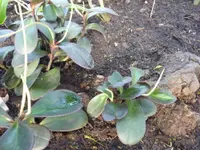
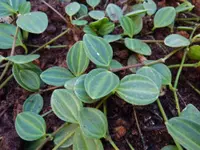
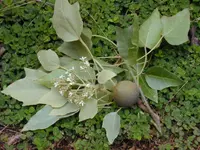
Beetle peperomia, Peperomia quadrangularis, is a compact trailing houseplant from tropical regions of South America, often found growing on tree trunks or among leaf litter. It is valued for its small, oval, dark green leaves marked with lighter stripes and its slender, creeping stems that spill attractively from pots or hanging baskets.

This species grows relatively slowly and stays modest in size, which suits shelves, desktops, and mixed plant displays. Its thick, slightly succulent leaves store moisture, so it tolerates short dry spells better than many delicate foliage plants.

Peperomia quadrangularis generally prefers bright, indirect light, a loose, airy potting mix, and moderate moisture, which makes it straightforward for many indoor growers who want to learn how to care for beetle peperomia.

Main Plant Requirements

Care Difficulty

Easy Care

Light Preference

Bright Indirect Light

Water Requirements

Moderate Water

Temperature Preference

Tropical / Frost Sensitive

Hardiness Zone

11–12

Soil Texture

Loamy, Sandy, Organic-rich

Soil pH

Acidic (5.5–6.5), Slightly acidic (6.5–7.0)

Soil Drainage

Well-drained

Fertilization

Light (every 4–6 weeks)

Get Personalized Care Plan

Scan your plant to receive care tips personalized for your specific plant

Available on iOS and Android

How to Care for the beetle peperomia

Peperomia quadrangularis prefers bright but gentle light that mimics a forest understory.

  • Provide bright, indirect light for 6–8 hours daily, such as near an east or north window or under sheer curtains with filtered light.
  • Tolerates partial shade, but growth becomes sparse and leggy if kept in dim areas; move beetle peperomia closer to a bright window if stems stretch or leaf color fades.
  • Avoid harsh midday and afternoon sun, which can scorch leaves; in summer, shift a few feet back from south- or west-facing windows or add light screening.

Peperomia quadrangularis stores some moisture in its fleshy stems and prefers light, infrequent watering.

  • Water only when the top 2–4 cm of soil feel dry, using your finger to check rather than following a fixed schedule.
  • Use a free-draining mix and let excess water drain fully; consistently wet soil leads to yellowing leaves, mushy stems, and root rot.
  • In spring and summer, the plant may need water more often; in fall and winter, extend the drying period, watching for slight leaf droop or curling as a sign to water.

This species prefers stable, warm conditions similar to a tropical understory.

  • Aim for 65–80°F (18–27°C) for best growth, avoiding rapid swings between warm and cool temperatures.
  • Protect Peperomia quadrangularis from cold; growth slows below 60°F (16°C), and exposure near or below 50°F (10°C) can cause leaf drop or tissue damage.
  • Keep the plant away from drafts, heaters, and hot windows; it tolerates brief heat up to about 85°F (29°C) if shaded and not allowed to dry out completely.

This species prefers moderate indoor humidity and tolerates typical home conditions without special equipment.

  • Aim for 40–60% humidity; it generally adapts but grows more evenly within this range.
  • Beetle peperomia handles short dry spells, but very dry air plus heat can crisp leaf tips and edges.
  • If leaves curl or feel thin while soil moisture is correct, increase humidity by grouping plants or placing a tray of water and stones nearby.

Peperomia quadrangularis prefers a loose, airy mix that stays lightly moist but never saturated.

  • Use a mix of roughly 50–60% peat- or coco-based potting mix with 40–50% perlite, pumice, or fine bark to keep it open and fast-draining.
  • Aim for slightly acidic to neutral pH around 6.0–7.0, which most all-purpose houseplant mixes already provide.
  • Ensure the mix feels springy, not compacted; large pores let oxygen reach the fine roots and reduce rot risk.
  • Avoid heavy garden soil, straight compost, or mixes that stay wet for longer than 3–4 days after watering.

This species is very suitable for container growing due to its compact, trailing habit.

  • Choose a shallow but wider pot to match the relatively fine, surface-leaning roots and spreading stems.
  • Select terracotta or another porous material if the mix stays wet too long, to let excess moisture evaporate faster.
  • Use a stable, heavier container or add surface stones so trailing growth does not tip the pot as stems lengthen.

Peperomia quadrangularis is a light feeder that benefits from modest, diluted nutrition during active growth.

  • Use a balanced liquid fertilizer (around 10-10-10 or 20-20-20) at 1/4–1/2 strength for caring for beetle peperomia.
  • Feed every 4–6 weeks in spring and summer when growth is active.
  • Skip or reduce feeding to 1 light dose the entire period in fall and winter.
  • Avoid compost-heavy mixes or strong slow-release pellets, which can burn sensitive roots in small pots.

Peperomia quadrangularis responds well to light, selective pruning that keeps stems dense and tidy.

  • Best time for structural pruning is spring or early summer, when new growth follows quickly.
  • Use clean, sharp scissors or small pruning shears to avoid crushing soft stems.
  • Remove dead, damaged, or overly long trailing stems to encourage compact, branching growth.
  • Pinch back stem tips just above a node to maintain desired shape and fullness.

This compact peperomia prefers slightly tight pots and only occasional repotting.

  • Plan to repot every 2–3 years, ideally in spring, when new growth begins.
  • Check for roots circling the pot, growing from drainage holes, or unexplained slow growth as signals to repot.
  • Move into a pot only 2–3 cm wider, using a fast-draining mix to minimize waterlogging and root stress.
  • Gently loosen outer roots, water lightly after repotting, and keep in bright, indirect light for 1–2 weeks to recover.

Peperomia quadrangularis is commonly propagated from cuttings under warm, humid conditions.

  • Take 5–8 cm stem cuttings with several leaves in spring or early summer.
  • Root cuttings in moist, well-drained mix or water, keeping temperatures around 70–75°F and light bright but indirect.
  • Insert stems with at least 1 node below the surface, then keep humidity high and soil lightly moist, not wet.
  • Once roots are 2–3 cm long and new growth appears, pot into small containers with airy mix.

This tender tropical species needs mild indoor conditions and protection from freezing temperatures in winter.

  • Keep plants above 60°F; brief exposure below 50°F can cause leaf drop and stem damage.
  • In cold climates, grow in containers and move indoors before night temperatures fall below 55°F.
  • Place near a bright window with indirect light and avoid drafts from doors, windows, or heating vents.
  • Water less often in winter, allowing the top 2–3 cm of mix to dry before watering again to prevent root rot.

Care Tips

Use wide pots

Choose a shallow, wide container rather than a deep one to match the plant’s shallow root system and encourage a dense mat of stems instead of sparse trailing growth.

Pinch for branching

Regularly pinch back the soft stem tips with clean fingers or scissors to promote tighter, fuller growth and reduce the risk of leggy, weak vines that tangle and break easily.

Guide trailing stems

Gently drape or loop longer stems over the pot rim or onto a low support (such as a small hoop or mesh) to keep nodes in contact with the substrate, which can trigger additional rooting and thicker coverage.

Root stem cuttings

When trimming, place 1–2 node stem sections directly into the same potting mix to root, which rejuvenates older plants and quickly fills bare spaces in the container for more even foliage.

Rotate and thin

Rotate the pot 1–2 times per month and selectively remove older, woody or bare stems to maintain balanced light exposure and reduce congestion that can trap moisture and increase the risk of fungal problems when caring for beetle peperomia.

Common Pests and Diseases

Mealybugs

This pest feeds on leaf and stem sap, often hiding in the tight joints along the four‑angled stems and under overlapping leaves. Symptoms include white cottony clusters, sticky honeydew, and weakened, distorted growth.

Solution

Isolate the plant, then dab visible insects with cotton swabs dipped in 70% isopropyl alcohol and gently wipe leaf undersides and stem joints. Repeat weekly until no new clusters appear, and improve air movement and light levels as part of Peperomia quadrangularis care to reduce reinfestation risk.

Spider mites

These insects prefer the dry, warm conditions often used indoors and target the thin, succulent leaves, causing tiny yellow stippling and fine webbing between stems and leaf edges. Symptoms include dull foliage, slowed growth, and web strands visible when backlit.

Solution

Rinse the plant thoroughly in a sink or shower, focusing on leaf undersides and stem angles, then allow it to dry in bright, indirect light. Raise humidity, avoid very dry air near heaters or vents, and use repeated applications of insecticidal soap or horticultural oil every 7–10 days until new leaves emerge clean.

Fungus gnat larvae

This pest thrives in consistently damp potting mix, where larvae feed on fine roots and organic matter, leading to subtle wilting and slowed growth in hanging or shallow pots. Symptoms include small black adult flies hovering near the pot and soil that stays wet for too long.

Solution

Allow the top 3–4 cm of soil to dry between waterings, then water thoroughly but less often. Use yellow sticky traps for adults and apply a biological control such as Bacillus thuringiensis israelensis (BTI) or a thin layer of horticultural sand on the soil surface to reduce larvae numbers.

Edema

This disorder occurs when roots absorb water faster than leaves can release it, which is common in thick‑leaved Peperomia grown in low light with wet soil. Symptoms include small, corky, blister‑like patches on leaves, often on the underside, without a spreading pattern typical of infection.

Solution

Adjust watering so the top layer of mix dries before watering again, and use a well‑draining, airy substrate suitable for epiphytic species. Increase light to bright, indirect levels and avoid sudden shifts from very dry to very wet soil to prevent new lesions.

Bacterial leaf spot

This disease can develop on dense foliage that stays wet, especially where stems trail and overlap, limiting airflow. Symptoms include small, water‑soaked, translucent spots that may turn dark and irregular, sometimes with a yellow halo around them.

Solution

Remove and discard affected leaves, sterilizing scissors between cuts, and avoid overhead watering so foliage dries quickly. Improve spacing and airflow around the plant, keep it in bright, indirect light, and allow the surface of the potting mix to dry slightly between waterings to limit bacterial spread.

Interesting Facts

Stems with Four Angles

This species has distinctly 4-angled, almost square cross-section stems, which is the origin of the epithet quadrangularis and helps distinguish it from many other trailing peperomias with round stems.

Succulent-Like Foliage

Its small, beetle-like leaves have a relatively thick, water-storing tissue compared with many tropical understory plants, which helps it tolerate brief dry periods better than more thin-leaved peperomias.

Subtle Leaf Striping

The leaves typically show two pale, longitudinal stripes along a darker green background, a pattern that is useful for visual identification and is more defined than in several closely related vining Peperomia species.

FAQs about beetle peperomia

Leggy, stretched stems usually mean the plant is not receiving enough light or has aged growth. Provide brighter, indirect light and pinch back long shoots to promote branching and denser foliage over time.

Grow Healthy Plants with Botan Care

Keep your plants happy and healthy with plant identification, disease detection, and easy care guidance.

Botan plant care app — identify plants on mobile

Explore More Plants