


Mounting strategy
Mount mature plants on cork or hardwood slabs with a thin pad of sphagnum to keep roots airy and reduce the risk of root rot in warm, bright conditions.

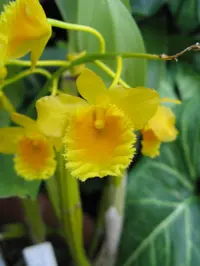
The fried-egg orchid, Dendrobium chrysotoxum, is an epiphytic orchid that usually grows on trees in warm, humid forests of Southeast Asia. It forms clumps of cane-like pseudobulbs with narrow leaves.
In season it produces hanging clusters of bright yellow flowers with deeper golden centers, which give the look of a small fried egg. The blooms are often fragrant and appear for a short but striking display.
This species prefers bright, filtered light, good air movement, and a moist but quickly draining growing medium. It is considered moderately challenging, as it reacts strongly to improper watering or light, so learning how to care for fried-egg orchid helps maintain regular growth and flowering.

Care Difficulty
Moderate Care

Light Preference
Partial Sun

Water Requirements
Moderate Water

Temperature Preference
Tropical / Frost Sensitive

Hardiness Zone
11–12

Soil Texture
Sandy, Loamy, Organic-rich

Soil pH
Acidic (5.5–6.5)

Soil Drainage
Well-drained

Fertilization
Moderate (every 2–4 weeks)
Scan your plant to receive care tips personalized for your specific plant
Available on iOS and Android
This orchid prefers bright, filtered light similar to high, lightly shaded forest canopies.
This species prefers moist but fast-draining conditions that dry slightly between waterings.
This orchid grows best with warm days and slightly cooler nights.
This orchid needs consistently moist air to bloom and maintain healthy canes.
This epiphytic orchid needs a very airy, fast-draining, organic-based medium rather than dense garden soil.
This species is well suited to container growing when the pot supports its upright, often top-heavy canes.
Dendrobium chrysotoxum benefits from moderate, controlled feeding during its active growth period.
Pruning Dendrobium chrysotoxum focuses on hygiene and maintaining a tidy, flowering clump.
Repotting this orchid is infrequent and should be done carefully to avoid damaging its fine roots.
Propagation of Dendrobium chrysotoxum is most reliable by division of mature clumps.
This orchid is not frost hardy and needs sheltered winter conditions, especially in temperate climates.

Plant Health Check
Not sure what's wrong with your plant? Check your plant's health inside the app.
Fresh canes of this orchid often exude sticky yellow resin around the nodes, which hardens into bright beads that inspired the species name chrysotoxum, meaning golden bow or golden arch in reference to these drops.
Its inflorescences form dense, hanging clusters of many flowers that emerge from near the tip of mature pseudobulbs, creating a characteristic cascading display that distinguishes it from many other Dendrobium species.
In cultivation and in the wild, it typically flowers once a year in late winter to spring, producing strongly scented yellow blooms that are adapted to attract daytime pollinators in its native Southeast Asian habitats.

This species is naturally distributed across a wide elevational range from lowland to montane forests in countries such as India, Myanmar, Thailand, Laos, and Vietnam, showing notable ecological flexibility compared with many more narrowly restricted Dendrobium orchids.
Lack of blooms usually comes from insufficient light, no cool and slightly drier winter rest, or too much nitrogen fertilizer. Old, exhausted canes also flower less. Adjust seasonal care to support flower spike initiation.
Keep your plants happy and healthy with plant identification, disease detection, and easy care guidance.

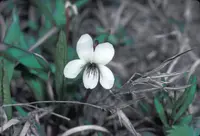
Primrose leaved violet
Viola primulifolia

Xanthosoma wendlandii
Xanthosoma wendlandii
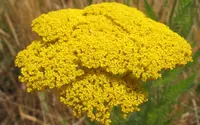
fernleaf yarrow
Achillea filipendulina
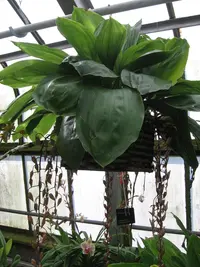
Gongora unicolor
Gongora unicolor
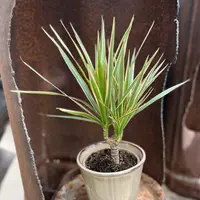
Dragon Tree
Dracaena reflexa var. angustifolia 'Bicolor'
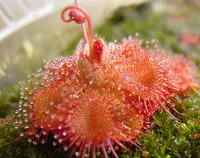
Tooth Sundew
Drosera sessilifolia
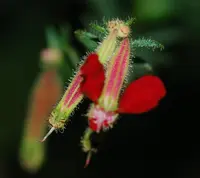
Cuphea hookeriana
Cuphea hookeriana
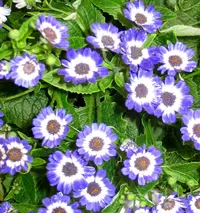
common ragwort
Pericallis × hybrida