birdfoot violet Care (Viola pedata)

Also known as: bird's foot violet
birdfoot violet

About birdfoot violet

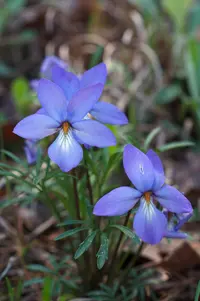
Birdfoot violet, Viola pedata, is a small perennial wildflower native to dry, open habitats in eastern and central North America. It forms low clumps with finely divided, bird-foot shaped leaves that give the plant its common name.

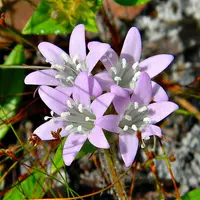
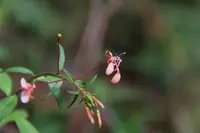
The flowers are relatively large for a violet, usually bicolored in shades of pale and deep purple, held above the foliage on short stems. It tends to grow in well-drained, often sandy or rocky, slightly acidic soils.

This species prefers full sun to light shade and does not tolerate heavy, wet, or compacted ground. These traits make how to care for birdfoot violet somewhat different from typical garden violets, but it is manageable when its natural conditions are matched.

Main Plant Requirements

Care Difficulty

Moderate Care

Light Preference

Full Sun

Water Requirements

Moderate Water

Temperature Preference

Cold Hardy

Hardiness Zone

3–8

Soil Texture

Sandy, Loamy, Rocky

Soil pH

Strongly acidic (4.5–5.5), Acidic (5.5–6.5)

Soil Drainage

Well-drained

Fertilization

Minimal (feed rarely)

Get Personalized Care Plan

Scan your plant to receive care tips personalized for your specific plant

Available on iOS and Android

How to Care for the birdfoot violet

This species prefers bright, open conditions that mimic dry, sunny woodland edges or prairies.

  • Provide 6–8 hours of direct sun daily, with morning to early afternoon sun ideal for strong flowering and compact growth.
  • Tolerates light afternoon shade, especially in hotter regions, but deep shade reduces blooms and produces weak, stretched foliage in birdfoot violet.
  • In summer, protect from reflected or intense late-afternoon sun in very hot sites to prevent leaf scorch, especially in shallow or sandy soils.

Viola pedata prefers evenly moist but not wet soil, especially during active spring growth and flowering.

  • Allow the top 2–4 cm of soil to dry between waterings, then soak the root zone thoroughly so water drains quickly through the profile.
  • In spring, watch for slight leaf droop or dull, gray-green foliage as a cue to water; in summer dormancy, reduce watering once foliage dies back.
  • Avoid overwatering; yellowing lower leaves, soft crowns, and a sour smell in the soil suggest excess moisture or poor drainage.

This violet is a cool- to mild-temperate species adapted to climates with cold winters and moderate summers.

  • Best active growth occurs around 55–70°F (13–21°C), with flowering strongest in cool spring conditions before sustained summer heat.
  • Plants tolerate winter lows near 0°F (-18°C) in well-drained soil; snow cover and leaf mulch improve survival in colder snaps.
  • During hot spells above 85°F (29°C), flowering slows; light afternoon shade and consistent but not excessive soil moisture help limit heat stress.

Viola pedata prefers moderately moist air but usually adapts well to typical outdoor humidity in temperate climates.

  • Aim for 40–60% humidity, similar to most outdoor garden conditions in its native range.
  • The plant tolerates brief dry air, but prolonged hot, very dry wind can cause leaf edge browning and faster wilting in birdfoot violet.
  • Increase local humidity outdoors with light mulching around, but not against, the crown to help buffer swings without waterlogging the roots.

Viola pedata needs lean, fast-draining soil that mimics open, sandy or rocky habitats.

  • Use a gritty mix such as 50–60% coarse sand or fine gravel, 20–30% loam, and 10–20% leaf mold or compost for light organic content.
  • Ensure sharp drainage; raised beds, rock gardens, or sloped sites help excess water run off quickly and reduce root rot risk.
  • Keep soil slightly acidic to neutral, around pH 5.5–7.0, avoiding strongly alkaline conditions that limit nutrient availability.
  • Improve aeration by avoiding heavy clay and peat-heavy mixes, and never allow the soil to compact or stay saturated after rain.

This species can be grown in containers if the pot is set up to stay sharply drained and not overly rich.

  • Choose a shallow but wide container to match the plant’s spreading root system and prevent deep, soggy zones at the bottom.
  • Use a clay or unglazed terracotta pot to allow faster evaporation and reduce the chance of chronically wet mix after rainfall or watering.
  • Stand the container on pot feet or bricks outdoors so drainage holes remain clear and excess water escapes quickly during storms.

Viola pedata grows best in lean, well-drained soil and usually needs only light feeding.

  • Use a balanced, low-strength liquid fertilizer (such as 10-10-10 at 1/4–1/2 label strength) for potted birdfoot violet during active spring–early summer growth.
  • Apply every 4–6 weeks in the growing season only if foliage looks pale or growth is weak.
  • Avoid feeding in late fall and winter when the plant is dormant to prevent soft, frost-sensitive growth.
  • Do not over-enrich garden soil; a thin topdressing of fine compost in spring is usually sufficient.

Viola pedata needs minimal pruning, mainly to keep plants tidy and flowering well.

  • In late spring and again after peak bloom, shear off spent flower stems with small scissors or hand pruners to encourage a lighter rebloom.
  • Remove any dead, diseased, or winter-damaged leaves whenever noticed to reduce fungal issues.
  • Thin out crowded clumps lightly, cutting back only the oldest, weakest growth to maintain an open, low mound.
  • Always use clean, sharp tools and avoid cutting into healthy crowns to prevent stress and rot.

This species dislikes frequent disturbance, so transplant or repot Viola pedata only when clearly necessary.

  • Look for roots circling the pot drainage holes, very slow growth, or soil that dries out extremely fast as signs a container plant needs a larger pot.
  • Plan any transplanting for early spring or early fall, when temperatures are mild and moisture is more reliable.
  • Expect to transplant garden clumps only every several years; choose a sunny, sharply drained, low-fertility site to mimic natural conditions.
  • Handle roots gently, keep the crown at the same depth, water thoroughly, then shade lightly for a few days to reduce transplant shock.

Propagation of Viola pedata is usually done from seed rather than frequent division.

  • Collect ripe seeds in late spring–early summer and sow them fresh in pots or trays kept outdoors for natural cold stratification over winter.
  • Use a gritty, well-drained seed mix, keeping it barely moist; germination often occurs in spring after chilling.
  • Small, healthy clumps can be divided in early spring, but division should be light because deep taproots resent disturbance.
  • Grow seedlings on in individual cells or small pots until they form a firm root system before planting into their final position.

Established Viola pedata plants are cold hardy in much of the US and usually need little winter care in the ground.

  • In cold climates, apply a light, airy mulch (pine needles or shredded leaves) after the ground cools to buffer freeze–thaw cycles.
  • Avoid heavy, wet mulch directly over the crown to reduce rot risk during winter.
  • Move container-grown plants into a cold, sheltered spot such as an unheated garage or cold frame to prevent root ball freezing solid.

Care Tips

Summer dormancy management

Label planting spots and leave seed heads in place so you do not accidentally disturb clumps when foliage dies back in summer dormancy, especially in mixed beds or rock gardens.

Targeted seed sowing

Collect ripe seed capsules just as they begin to turn brown and open, then sow them immediately in shallow trays outdoors to maintain natural cold exposure and improve germination for new plants.

Leaf litter mulching

Use a very thin layer (0.5–1 cm) of shredded deciduous leaf litter as mulch in fall to mimic woodland conditions, protecting crowns without smothering the rosette.

Careful companion spacing

Plant only low, fine-rooted companions nearby and keep more vigorous perennials at least 20–30 cm away to prevent root competition and shading of the compact rosettes.

Gentle pest monitoring

Inspect foliage regularly for slugs and snails in damp periods and remove them by hand at dusk, rather than using broad-spectrum pellets, to protect pollinators while caring for birdfoot violet in a wildlife-friendly planting.

Common Pests and Diseases

Viola crown borers

This pest tunnels into the crown and upper roots, causing sudden wilting, stunting, and eventual plant collapse in clump-forming birdfoot violets. Symptoms include weak growth, yellowing leaves, and hollow or rotted crown tissue when inspected closely.

Solution

Dig up and destroy heavily affected plants, then inspect neighboring clumps for galleries or larvae in the crown and discard any badly damaged material. Replant into well-drained, sandy soil, rotate the planting area if possible, and encourage natural predators by avoiding broad-spectrum insecticides around Viola pedata care areas.

Violet sawflies

These insects feed on foliage, leaving notched, skeletonized, or ragged leaves, especially during spring flush. This pest often hides on leaf undersides and may defoliate stressed plants in sunny, dry sites.

Solution

Handpick larvae from leaves and crush or drop them into soapy water, and rinse foliage with a firm stream of water to dislodge remaining insects. If damage persists, apply a targeted insecticidal soap or spinosad to leaf undersides in the evening, and keep plants moderately watered to reduce stress while they recover.

Violet leaf spot

This disease causes small purple to brown spots on leaves that may merge into larger blotches, leading to premature yellowing and leaf drop. Symptoms include more severe spotting in humid, crowded plantings or during prolonged wet weather.

Solution

Remove and discard spotted leaves and any dense thatch around the crowns to reduce spore sources. Improve spacing and airflow, water at soil level rather than overhead, and in severe, recurring cases apply a labeled ornamental fungicide early in spring to protect new growth.

Powdery mildew

This disease appears as a white to gray powdery coating on leaves, which can cause distortion, reduced vigor, and early leaf drop in susceptible clumps. Symptoms include more obvious growth on shaded, still-air sites with moderate humidity.

Solution

Prune or thin surrounding vegetation to increase light and airflow, and remove heavily coated leaves to limit spread. Water only at the base in the morning, avoid excess nitrogen fertilizer, and use a labeled powdery mildew fungicide or horticultural oil if the disease repeatedly affects the same planting.

Slugs and snails

These pests chew irregular holes in leaves and flowers and leave shiny slime trails on or around plants, especially in moist, mulched beds. Symptoms include overnight damage on young spring growth and ragged edges on low foliage.

Solution

Handpick slugs and snails in the evening, use coarse mulch or copper tape barriers around small groupings, and reduce hiding places such as thick leaf litter near crowns. In high-pressure areas, place iron phosphate slug baits according to label directions, keeping granules off the foliage and away from children and pets.

Interesting Facts

Specialized butterfly host

Birdfoot violet is a key larval host plant for several fritillary butterflies, including great spangled and regal fritillaries, whose caterpillars feed almost exclusively on violets in natural habitats.

Sand and rock specialist

This species is adapted to very nutrient-poor, well-drained sites such as dry oak savannas, rocky outcrops, and sandy barrens, where many competing plants cannot survive.

Distinctive leaf shape

The leaves are deeply divided into narrow segments that resemble a bird’s foot, a trait that easily separates it from most other violet species with more rounded leaves.

Botan icon

Did you know?

Birdfoot violet often produces unusually large and bicolored flowers for a violet, with some populations showing striking blooms that have pale or white lower petals and much darker upper petals on a single flower.

FAQs about birdfoot violet

This species forms small clumps and slowly enlarges by short rhizomes and self-sown seed. It can seed into nearby open, sandy patches but is not typically aggressive and is easy to keep within defined areas.

Grow Healthy Plants with Botan Care

Keep your plants happy and healthy with plant identification, disease detection, and easy care guidance.

Botan plant care app — identify plants on mobile

Explore More Plants