fernleaf yarrow Care (Achillea filipendulina)

Also known as: fern-leaved yarrow
fernleaf yarrow

About fernleaf yarrow

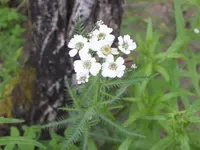
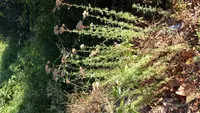
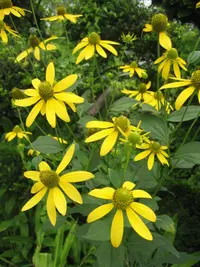
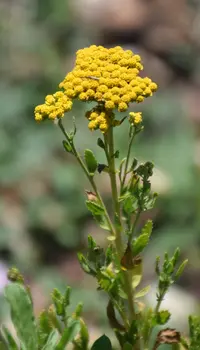
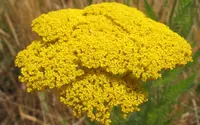
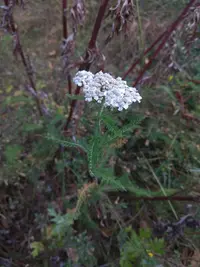
Fernleaf yarrow (Achillea filipendulina) is a hardy, herbaceous perennial known for its tall, upright stems topped with flat clusters of small yellow flowers. Its finely divided, gray-green foliage gives a soft, fern-like texture that contrasts well with bolder plants in mixed borders.

This species is native to parts of central and southwestern Asia but is widely grown in temperate gardens as an ornamental. It is valued for long-lasting blooms, good drought tolerance, and strong stems that rarely need staking.

Gardeners often find it easy to care for fernleaf yarrow because it adapts well to full sun, lean or well-drained soils, and relatively low moisture once established.

Main Plant Requirements

Care Difficulty

Easy Care

Light Preference

Full Sun

Water Requirements

Low Water

Temperature Preference

Cold Hardy

Hardiness Zone

3–9

Soil Texture

Sandy, Loamy, Rocky

Soil pH

Slightly acidic (6.5–7.0), Slightly alkaline (7.0–7.5)

Soil Drainage

Well-drained

Fertilization

Minimal (feed rarely)

Get Personalized Care Plan

Scan your plant to receive care tips personalized for your specific plant

Available on iOS and Android

How to Care for the fernleaf yarrow

This sun-loving perennial needs strong light to form sturdy stems and abundant blooms.

  • Provide 6–8 hours of direct sun daily; full sun from morning through midafternoon suits fernleaf yarrow best in most climates.
  • It tolerates light afternoon shade, especially in hot regions, but flowering decreases if it receives less than about 4–5 hours of direct sun.
  • In very hot summers, protect from harsh late-afternoon sun to reduce leaf scorch, while in cooler seasons ensure plants are not shaded by taller vegetation.

This drought-tolerant perennial prefers infrequent, deep watering once established.

  • Allow the top 5–7 cm of soil to dry between waterings; in freely draining garden soil this often means waiting until foliage looks slightly less turgid before watering again.
  • During the first growing season, water slowly and deeply when the soil is dry to 5–10 cm to help Achillea filipendulina root down, then reduce frequency in following years.
  • Yellowing, floppy stems and consistently damp soil indicate overwatering or poor drainage, while crisp, browning leaf edges and drooping in dry soil signal underwatering.

This hardy perennial tolerates a wide temperature range once established outdoors.

  • Optimal growth occurs around 65–80°F (18–27°C), with strong stem development and reliable flowering in well-drained soil.
  • Plants survive winter cold down to about -20°F (-29°C) in the ground, dying back above soil level and resprouting when temperatures rise in spring.
  • In summer heat above 90°F (32°C), flowering may slow; combine full sun with soil that drains quickly to prevent root stress and mulch lightly to limit extreme swings.

Humidity is rarely a concern for Achillea filipendulina, which thrives in dry, open air.

  • Performs best in 30–50% humidity, similar to typical outdoor summer conditions.
  • Tolerates very dry air without stress, making fernleaf yarrow suitable for arid and windy sites.
  • If foliage becomes floppy or shows increased mildew in very damp, stagnant air, increase spacing and airflow rather than raising humidity.

Achillea filipendulina prefers lean, well-drained soil that does not stay wet after rain or watering.

  • Use sandy or sandy-loam soil with low to moderate organic matter to keep it dry and airy.
  • Aim for slightly alkaline to neutral pH around 6.5–7.5, adding a small amount of garden lime if soil is very acidic.
  • Improve drainage and aeration by mixing in coarse sand or fine gravel; use only light compost, not heavy, peat-rich mixes.
  • Avoid dense clay, waterlogged spots, or thick layers of manure, which encourage weak, floppy growth and root rot.

This species can grow in containers if the pot is set up to stay on the dry side.

  • Choose a deep, heavy container or use bricks to weight the base so tall flower stems do not tip the pot in wind.
  • Fill the pot with a gritty mix, such as 60–70% sandy mineral material to prevent water from lingering around roots.
  • Raise the container on feet or pot risers so drainage holes stay clear and excess water escapes quickly after storms or irrigation.

This drought-tolerant perennial needs only light feeding, as excessive nutrients reduce flowering and make stems floppy.

  • Apply a thin layer of compost around plants in early spring to support steady growth of fernleaf yarrow.
  • If desired, use a balanced slow-release fertilizer (around 10-10-10) once in spring in poor soils only.
  • Dilute any liquid fertilizer to 1/2–1/4 strength to avoid lush, weak growth.
  • Do not feed in late fall or winter; allow natural dormancy without extra nutrients.

Pruning Achillea filipendulina maintains compact growth, encourages repeat blooming, and prevents self-seeding spread.

  • Deadhead spent flower clusters in summer, cutting stems back to a strong leaf node to stimulate new buds.
  • In late fall or very early spring, cut all dead stems down to 5–10 cm above soil level.
  • Remove dead, damaged, or badly leaning stems at the base to improve air flow and reduce disease risk.
  • Use clean, sharp hand pruners and make angled cuts to limit tissue damage and promote faster healing.

This perennial is usually grown in garden beds and benefits more from periodic division and transplanting than from frequent repotting.

  • Plan to divide and transplant clumps every 3–4 years in early spring or early fall for best establishment.
  • Look for signs such as thinning centers, crowded shoots, or reduced flowering as cues that division is needed.
  • Lift clumps carefully, shake or wash off soil, then separate sections with healthy roots and several shoots each.
  • Replant divisions at the same depth in well-drained soil, water thoroughly, and keep evenly moist for 1–2 weeks to reduce stress.

Achillea filipendulina is commonly propagated by division, cuttings, or seeds, making it straightforward to expand a planting.

  • Divide mature clumps in early spring or early fall, replanting vigorous outer sections in fresh soil.
  • Take 7–10 cm softwood stem cuttings in late spring, using a well-drained, low-nutrient medium and high humidity.
  • Sow seeds in late winter or early spring on the surface of moist, well-draining mix; provide light and 65–70°F for germination.
  • Thin or transplant seedlings once they have several true leaves, harden them off, then plant into sunny, well-drained beds.

This species is generally cold hardy in temperate climates and requires minimal winter care once established in the ground.

  • After hard frost, stems can be left standing for winter interest, then cut back in late winter or early spring.
  • In colder zones or exposed sites, add a 3–5 cm layer of mulch around the crown to moderate freeze–thaw cycles.
  • Container-grown plants are more vulnerable; move pots to a sheltered, unheated area to prevent root damage.

Care Tips

Staggered Replacement

Plan to rejuvenate clumps every 3–4 years by lifting and replanting divisions in a new spot, which keeps flowering stems tall and reduces the tendency for older plants to flop or thin out in the center.

Wind-Smart Support

In windy sites, insert low, unobtrusive hoops or a ring-style support around young shoots in spring so the stems grow through the support and stay upright without needing tying later in the season.

Bud-Stage Harvesting

For long-lasting cut flowers, harvest stems when most flower buds in a cluster are just opening and place them straight into water, which also helps reduce overall seed production and self-sowing in the bed.

Targeted Deadheading

Instead of shearing the whole plant, selectively remove only the brown or faded flower heads down to a strong side shoot, which preserves foliage cover while encouraging a lighter flush of new blooms.

Seedling Control Strip

When growing fernleaf yarrow near more delicate perennials, maintain a 20–30 cm mulch-free strip around neighboring plants and pull any yarrow seedlings there while small so the colony does not gradually overrun slower species.

Common Pests and Diseases

Powdery mildew

This disease causes a white to gray, powdery coating on leaves and stems, often in warm, dry conditions with poor air movement. Symptoms include distorted foliage and reduced flowering when infections are heavy.

Solution

Improve air circulation, avoid overhead watering, and thin crowded stems to reduce humidity around the plant. Remove and discard heavily infected foliage and, if needed, apply a sulfur or potassium bicarbonate fungicide labeled for ornamentals at the first signs of disease as part of Achillea filipendulina care.

Botrytis blight

This disease leads to brown, water-soaked spots on leaves and flower heads that quickly develop gray, fuzzy mold, especially in cool, damp weather. Symptoms include collapse of flower clusters and stems in severe cases.

Solution

Remove and discard all affected flower heads and foliage, and keep plant debris off the soil surface. Improve drainage and spacing to reduce leaf wetness, water at the base in the morning, and use a labeled fungicide for botrytis only if cultural steps do not control the problem.

Aphids

These insects cluster on tender stems and flower stalks, sucking sap and causing curling or yellowing foliage and sticky honeydew deposits. This pest can also attract ants and encourage sooty mold growth on leaves.

Solution

Wash colonies off with a strong but controlled stream of water and pinch back heavily infested shoot tips. Encourage or introduce natural predators like lady beetles and, if needed, spot-treat with insecticidal soap or a neem-based product, ensuring thorough coverage of stems and leaf undersides.

Spittlebugs

These insects produce frothy, spit-like masses on stems where they feed, usually causing only minor distortion or spotting on leaves. This pest is more unsightly than harmful but can stress young plants when numbers are high.

Solution

Squash or rinse off the foam masses with a jet of water during regular watering. For persistent issues, reduce nearby tall weeds that shelter the insects and use insecticidal soap on exposed nymphs after washing off the protective foam.

Leafhoppers

These insects are small, fast-moving sap feeders that cause pale speckling, yellow patches, or leaf tip burn on foliage. This pest may also transmit leafhopper-borne diseases, leading to general decline and poor flowering.

Solution

Monitor regularly and remove nearby weeds that harbor leafhoppers. If damage is noticeable, use fine-mesh row covers early in the season where practical, and apply insecticidal soap or a low-impact contact insecticide in the evening, making sure to treat both sides of the foliage.

Interesting Facts

Flat-topped flower architecture

The flower heads are actually dense clusters of tiny disc florets that form a rigidly flat, plate-like surface, which makes this species especially effective for supporting pollinating insects such as hoverflies and small solitary bees.

Hybrid-friendly garden parent

This species has been widely used in breeding programs to create modern yellow and bicolor yarrow cultivars because of its tall stature, strong stems, and long-lasting flower clusters.

Drought-adapted foliage

Its finely dissected, gray-green leaves reduce water loss by decreasing leaf surface area and reflecting some sunlight, helping the plant tolerate hot, dry summer conditions in many temperate climates.

Botan icon

Did you know?

The species epithet filipendulina refers to the way its leaf segments and small bulbous swellings can appear to hang like threads, a reference borrowed from related plants in the genus Filipendula, and reflects early botanists’ focus on leaf morphology when describing new species.

FAQs about fernleaf yarrow

Limited flowering often comes from too much shade, overly rich or high-nitrogen soil, or crowded, old clumps. Divide every 3–4 years, avoid heavy fertilizing, and deadhead spent clusters to encourage more buds and extended bloom.

Grow Healthy Plants with Botan Care

Keep your plants happy and healthy with plant identification, disease detection, and easy care guidance.

Botan plant care app — identify plants on mobile

Explore More Plants