Pinch For Bushiness
Pinch out the soft stem tips every 2–3 weeks early in the season to encourage branching and a denser, more floriferous plant instead of a few tall, floppy stems.

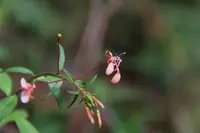
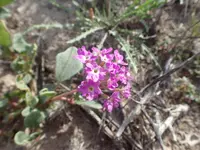
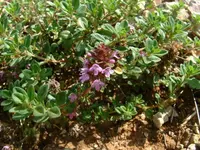
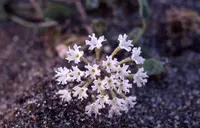
Mosquito flower, Lopezia racemosa, is a small, branching ornamental known for its delicate pink to red flowers with a distinctive, airy look. It typically grows as a compact subshrub or perennial, making it suitable for borders and mixed plantings.
This species is native to Mexico and parts of Central America, where it grows in open, sunny locations with well-drained soils. Its fine stems and small leaves give it a light texture in the garden.
Gardeners value it for long blooming periods and relatively low maintenance when basic needs are met. Understanding how to care for Mosquito Flower mainly involves providing good light, moderate moisture, and soil that drains freely.

Care Difficulty
Moderate Care

Light Preference
Full Sun

Water Requirements
Moderate Water

Temperature Preference
Warm Climate

Hardiness Zone
9–11

Soil Texture
Sandy, Loamy, Organic-rich

Soil pH
Acidic (5.5–6.5), Slightly acidic (6.5–7.0)

Soil Drainage
Well-drained

Fertilization
Light (every 4–6 weeks)
Scan your plant to receive care tips personalized for your specific plant
Available on iOS and Android
This sun-loving Mexican species flowers best with bright, direct light in mild climates.
This species prefers evenly moist, well-drained soil that never stays soggy for long.
This warm-temperate plant grows best without strong cold or extreme heat stress.
This species handles a wide humidity range but grows best with moderate ambient moisture.
Lopezia racemosa prefers light, well-aerated soil that drains quickly but does not dry out instantly.
This species adapts well to container growing outdoors on patios or balconies.
Lopezia racemosa benefits from light, consistent nutrition during its active growing season.
Pruning Lopezia racemosa helps maintain a neat, compact form and supports continuous flowering.
Lopezia racemosa is often grown in beds, but container plants or young nursery stock may need occasional repotting or transplanting.
Lopezia racemosa is usually propagated from seeds but can also be grown from softwood cuttings in suitable conditions.
In mild climates Lopezia racemosa often survives winter with minimal intervention but needs more attention in colder regions.

Plant Health Check
Not sure what's wrong with your plant? Check your plant's health inside the app.
This species produces many small, zygomorphic flowers arranged in loose racemes, each with an irregular petal layout that gives a mosquito-like appearance and inspired the common name mosquito flower.
In mild climates it can flower over an extended period rather than in a short, concentrated flush, providing a steady nectar source for small pollinators when other herbaceous species may be less active.
The species is native to Mexico, where it typically grows in open, disturbed or lightly shaded sites, which helps explain its preference for bright conditions and relatively well-drained soils in cultivation.
Poor flowering often comes from insufficient light, excess nitrogen fertilizer, or old, woody stems. Deadhead spent blooms, avoid heavy high-nitrogen feeding, and refresh plants from cuttings or seedlings every couple of years to maintain strong flowering.
Keep your plants happy and healthy with plant identification, disease detection, and easy care guidance.