slender sand verbena Care (Abronia gracilis)

slender sand verbena

About slender sand verbena

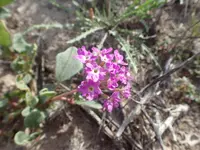
Slender sand verbena (Abronia gracilis) is a small annual wildflower native to dry, sandy habitats of western North America. It often grows in open desert flats and dunes. It typically forms low, spreading mats with narrow leaves and clusters of small, tube-shaped flowers in soft pink or purple shades. The plant has a delicate look but is adapted to harsh, low-moisture conditions. Abronia gracilis suits xeric or naturalistic plantings where drainage is excellent and competition from larger plants is low. Gardeners who learn how to care for slender sand verbena usually focus on very sharp drainage, full sun, and lean, sandy soil.

Main Plant Requirements

Care Difficulty

Moderate Care

Light Preference

Full Sun

Water Requirements

Low Water

Temperature Preference

Warm Climate

Hardiness Zone

7–10

Soil Texture

Sandy, Rocky

Soil pH

Slightly acidic (6.5–7.0), Neutral (7.0)

Soil Drainage

Well-drained

Fertilization

Minimal (feed rarely)

Get Personalized Care Plan

Scan your plant to receive care tips personalized for your specific plant

Available on iOS and Android

How to Care for the slender sand verbena

This low-growing wildflower prefers bright, open conditions typical of sandy coastal or inland habitats.

  • Provide full sun for 6–8 hours per day; morning and midday sun promote compact growth and abundant blooms on slender sand verbena.
  • Tolerates light afternoon shade, especially in hotter climates, but flowering and vigor decline in sites receiving less than 4–5 hours of direct sun.
  • Avoid dense shade from shrubs or buildings, which leads to leggy, weak stems and sparse flowers, particularly during spring and early summer growth.

This species is adapted to dry, sandy sites and is more sensitive to excess moisture than to short dry spells.

  • Allow the top 3–5 cm of soil to dry between waterings; in sandy ground this often means infrequent, deeper soaking rather than light, frequent sprinkling.
  • Reduce watering once plants are established and during cooler months, using rainfall as the primary moisture source in many native-like gardens.
  • Watch for overwatering signs such as yellowing, limp foliage and stem base softening, and underwatering signs like dull, wilting leaves that recover quickly after a thorough soak.

This drought-tolerant annual or short-lived perennial prefers warm, frost-free growing conditions.

  • Aim for active growth in 65–80°F (18–27°C); seedlings establish best once soil and air have warmed reliably in spring.
  • Plants tolerate brief heat up to about 90–95°F (32–35°C) if soil is well-drained and roots are not sitting in waterlogged conditions.
  • Avoid frost exposure; growth slows below 50°F (10°C), light freezes can burn foliage, and hard frosts below 28°F (-2°C) may kill plants outright.

This species from arid habitats prefers dry air and does not need extra humidity.

  • Target 25–40% humidity, similar to a dry indoor room or exposed outdoor site in summer.
  • Dry air is tolerated well; issues arise more from excess moisture at the roots than from low atmospheric humidity.
  • If leaves soften, yellow, or show fungal spotting, reduce ambient moisture and increase air movement rather than adding humidity.

Abronia gracilis thrives in very well-drained, sandy soil that mimics its native dry habitats.

  • Use a gritty mix such as 50–70% coarse sand with the rest split between compost and fine gravel or perlite.
  • Ensure extremely rapid drainage; water should run through within seconds and the surface should dry quickly after watering or rain.
  • Aim for slightly acidic to neutral pH, roughly 6.0–7.2, avoiding strongly acidic or alkaline conditions unless matching known local wild conditions.
  • Avoid heavy clay, peat-heavy, or compacted mixes, which restrict aeration and keep roots wet, increasing risk of rot.

This species can be grown in containers if the pot and medium are chosen to keep roots dry and well aerated.

  • Select a wide, shallow container to accommodate its spreading habit while keeping the root zone close to the fast-drying surface layer.
  • Choose unglazed terracotta to increase evaporation, which helps prevent prolonged wetness around the fine roots.
  • Raise the pot on feet or bricks so drainage holes stay clear and water cannot pool under the container after rain or irrigation.

Abronia gracilis grows best in lean, sandy soil and usually needs only light feeding in cultivation.

  • Use a low-strength balanced liquid fertilizer (for example 10-10-10) at 1/4–1/2 label rate during active spring–summer growth.
  • Apply no more than every 4–6 weeks, only when plants show active new shoots and healthy green foliage.
  • Avoid rich compost or heavy organic feeds that increase leaf growth at the expense of flowers in slender sand verbena.
  • Stop feeding in fall and winter to allow natural dormancy and reduce risk of weak, soft growth.

Abronia gracilis benefits from light, targeted pruning to maintain a compact, flowering habit.

  • Best timing is late winter or very early spring, before strong new growth begins.
  • Use clean, sharp scissors or snips to remove dead, diseased, or winter-damaged stems at their base.
  • Thin crowded, sprawling shoots to improve air flow and light penetration, which supports healthier foliage and blooms.
  • After main flowering, lightly tip back leggy stems to encourage branching and a denser mound.

This species is more often transplanted in beds than kept long term in containers, due to its preference for open, sandy sites.

  • Transplant in early spring once frost risk has passed, moving young plants before roots become deeply established.
  • Look for roots circling the pot, slow growth, or frequent drying as signs a container-grown plant needs more space.
  • Shift to a slightly larger container or garden spot with very free-draining sandy or gritty soil to limit root disturbance.
  • Water in gently after moving, then keep soil just barely moist for 1–2 weeks to reduce transplant stress and encourage new rooting.

Abronia gracilis is commonly propagated from seed, which suits its annual or short-lived perennial habit.

  • Sow fresh seed in late winter to early spring, indoors in trays or directly outside after frost risk has passed.
  • Use a sharply draining sandy mix, pressing seeds lightly into the surface and keeping them just barely covered.
  • Maintain temperatures around 65–75°F and lightly moist conditions until germination, avoiding waterlogging.
  • For more controlled results, start seeds under bright light indoors, then harden off seedlings before planting out.

In most mild, dry climates this plant behaves as an annual or short-lived perennial and usually needs minimal winter care.

  • In areas with frost, treat plants as annuals or allow them to self-seed rather than expecting strong overwinter survival.
  • For marginal climates, apply a light, dry mulch over the root zone to buffer rapid freeze–thaw cycles.
  • Container-grown plants in cool regions can be moved to a cold, bright, frost-free area with very sparse watering.

Care Tips

Sandier topdressing

Apply a 1–2 cm layer of clean coarse sand or fine grit around the crown to keep stems dry at the base and reduce rot in wet spells when growing slender sand verbena outdoors.

Low, wide support

In windy or exposed sites, place low wire hoops or short pegs and soft twine around the plant to gently hold sprawling stems off the soil, reducing breakage and mildew on crowded foliage.

Avoid organic mulches

Leave the soil surface mostly bare and mineral rather than using bark, compost, or leaf mulch, which hold excess moisture and can shorten the life of this desert-adapted annual.

Seed banking strategy

Collect a portion of mature seed heads in paper envelopes and store them cool and dry so you can re-sow the next year if heavy rain, pests, or disturbance wipe out the current stand.

Patch renewal planning

Stagger sowing in 2–3 small patches a few weeks apart so flowering is extended and a single heatwave or storm does not eliminate all plants at once.

Common Pests and Diseases

Spider mites

This pest often appears in hot, dry conditions and feeds on leaf and stem surfaces, causing stippling and fine webbing on Abronia gracilis. Symptoms include dull, speckled foliage and reduced vigor in plants grown in sandy, exposed sites.

Solution

Rinse plants thoroughly with a firm stream of water, focusing on the undersides of leaves and stems, and repeat several times over a week. In persistent cases, apply a ready-to-use insecticidal soap or horticultural oil in the early morning, and reduce stress by avoiding prolonged drought during heat waves while still keeping the soil fast-draining.

Leafhoppers

These insects feed by piercing and sucking plant sap, often on wild populations in open, sandy habitats. Symptoms include pale mottling, small white spots, and in some cases leaf curling or stunting of new growth.

Solution

Encourage natural predators by avoiding broad-spectrum insecticides nearby and limit mowing or disturbance around native plantings. If damage is heavy, use a low-impact insecticidal soap or pyrethrin spray directed at the undersides of leaves in the evening, repeating only as needed to protect pollinators visiting the flowers.

Powdery mildew

This disease can develop when warm days combine with cool, humid nights, coating leaves and stems with a white, dusty growth. Symptoms include distorted foliage and reduced flowering, especially in dense plantings with poor airflow.

Solution

Improve air circulation by thinning crowded stems and removing nearby dense vegetation, and avoid wetting foliage when watering. Remove and discard heavily infected plant parts, then treat remaining foliage with a sulfur-based or potassium bicarbonate fungicide labeled for ornamental plants, applied in the evening under mild temperatures.

Rust

This disease shows as small orange, yellow, or brown pustules on the undersides of leaves, which may cause yellowing and premature leaf drop on stressed plants in sandy, nutrient-poor sites. Symptoms include patchy discoloration and reduced vigor over time.

Solution

Remove and dispose of infected leaves and plant debris, keeping the soil surface clean around the plant. Improve air movement, avoid overhead watering, and if the problem recurs, apply a targeted rust fungicide according to label directions early in the season when first spots appear as part of broader Abronia gracilis care.

Interesting Facts

Pacific Northwest native

This species is naturally restricted to sandy river bars and coastal dunes of the Pacific Northwest, particularly in Washington and Oregon, where it forms low, mat-like patches on open, shifting sands.

Fragrant twilight bloomer

The flowers tend to open more fully and release a noticeable sweet fragrance in the evening, which is thought to help attract nocturnal pollinators such as moths.

Specialist of bare sand

Its prostrate stems and narrow leaves are adapted to unstable, nutrient-poor sandy soils, allowing it to colonize open patches where many competing plants cannot persist.

FAQs about slender sand verbena

This species is highly attractive to native bees, butterflies, and moths, especially at dusk and dawn when fragrance intensifies. Dense flower clusters provide nectar and pollen, so it suits wildlife-friendly, low-input gardens and restoration plantings.

Grow Healthy Plants with Botan Care

Keep your plants happy and healthy with plant identification, disease detection, and easy care guidance.

Botan plant care app — identify plants on mobile

Explore More Plants