Paronychia suffruticosa Care

About Paronychia suffruticosa

Paronychia suffruticosa is a small, woody, mat-forming perennial often used as a groundcover in rock gardens and dry, sunny borders. It belongs to the Caryophyllaceae family, the same group as many herbaceous rock-garden plants.

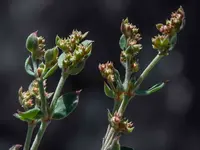
The plant usually forms low cushions of fine, branching stems with tiny opposite leaves and small, papery, whitish bracts that give a subtle, silvery look. It is native to dry, rocky habitats in the Mediterranean region, so it is naturally adapted to poor, well-drained soils.

Its drought tolerance and slow, compact growth habit make it relatively easy to maintain where drainage and light are suitable. Understanding how to care for Paronychia suffruticosa mainly involves providing full sun, low to moderate moisture, and avoiding heavy, waterlogged substrates.

Main Plant Requirements

Care Difficulty

Easy Care

Light Preference

Full Sun

Water Requirements

Low Water

Temperature Preference

Cool Climate

Hardiness Zone

6–9

Soil Texture

Sandy, Loamy, Rocky

Soil pH

Slightly acidic (6.5–7.0), Neutral (7.0)

Soil Drainage

Well-drained

Fertilization

Minimal (feed rarely)

Get Personalized Care Plan

Scan your plant to receive care tips personalized for your specific plant

Available on iOS and Android

How to Care for the Paronychia suffruticosa

This sun-loving Mediterranean subshrub thrives in bright, open positions with plenty of direct light.

  • Provide 6–8 hours of direct sun daily; full sun is ideal in most temperate climates, especially with good air movement.
  • Tolerates light afternoon shade in hotter regions to reduce leaf scorch, while still needing at least 4–5 hours of unfiltered morning sun.
  • In winter, choose the brightest, most open site; prolonged shade leads to weak, stretched growth and sparse foliage on Paronychia suffruticosa.

This species prefers relatively dry conditions and is sensitive to excess moisture around the roots.

  • Allow the top 3–5 cm of soil to dry fully before watering, using rainfall as the main source in the ground and supplementing only after noticeable dry spells.
  • Use sharply drained, gritty soil so water runs through quickly; standing water or compacted clay greatly increases root rot risk.
  • In cooler seasons, water only during extended drought; gray, limp stems can indicate overwatering, while crisp, browning tips suggest underwatering, especially in very sandy sites.

This drought-adapted plant handles moderate heat but dislikes prolonged hard frost or waterlogged cold soils.

  • Optimal growth occurs around 60–80°F (16–27°C), typical of mild spring to early summer conditions in many temperate regions.
  • Tolerates short drops to about 20–25°F (-7 to -4°C) if soil is very free-draining; wet cold greatly lowers survival.
  • In hot summers above 90°F (32°C), ensure good airflow and avoid heat-reflecting walls that can push local temperatures higher and stress foliage.

This species tolerates low humidity and typical indoor air without special measures.

  • Aim for 30–50% humidity; avoid persistently above 70% to reduce rot risk.
  • Dry indoor air rarely harms Paronychia suffruticosa, provided the root zone is not overwatered.
  • If leaf tips brown while soil stays wet, lower humidity slightly and improve air movement.

This plant prefers mineral, fast-draining soil that mimics a rocky, sandy habitat.

  • Use a mix of 40% coarse sand, 30% fine gravel or grit, and 30% lean potting mix or compost.
  • Ensure rapid drainage; water should pass through in seconds and not leave the surface muddy or compacted.
  • Keep pH slightly alkaline to neutral (pH 7.0–8.0) by adding a small amount of crushed limestone or dolomite lime.
  • Avoid heavy clay, peat-heavy mixes, or soils that stay wet for more than 24 hours, as poor aeration promotes root rot.

This species is suitable for container growing, especially in shallow, well-drained pots.

  • Choose a wide, shallow container to accommodate the spreading, mat-forming roots without water collecting in depth.
  • Select unglazed terracotta if extra evaporation is needed in cool, wet climates to keep the root zone drier.
  • Raise the pot slightly on feet or blocks so drainage holes stay clear and runoff leaves the container quickly.

This drought-tolerant subshrub from poor soils needs only light feeding, so focus on avoiding excess nutrients.

  • Use a low-dose balanced NPK fertilizer or very thin layer of fine compost in early spring if growth appears weak.
  • Apply at half-strength or less to prevent soft, leggy shoots and salt buildup in the gritty, fast-draining soil mix.
  • Feed no more than 1–2 times during the active growing season, then stop entirely in fall and winter.

Pruning Paronychia suffruticosa is mainly cosmetic and helps maintain a dense, low mat.

  • Trim lightly in late winter or early spring before strong new growth starts, avoiding hard cuts into old woody stems.
  • Remove dead, damaged, or diseased shoots with clean, sharp scissors or hand pruners to improve air flow.
  • Shear back straggly or uneven stems after flowering to tighten shape without scalping down to bare wood.

This species prefers stable conditions and shallow, well-drained sites, so disturbance should be minimal.

  • Transplant in early spring or early fall, when temperatures are mild and soil moisture is steady.
  • Look for roots circling the pot, water running straight through, or stalled growth as signs a container plant needs more space.
  • Shift to a slightly wider, shallow container or ground spot with gritty, sharply drained soil to avoid root rot.
  • Handle the root ball gently, keep it intact, water once to settle soil, then let the top layer dry between waterings.

Paronychia suffruticosa is most often propagated by cuttings or seed under simple, controlled conditions.

  • Take short, non-flowering stem cuttings in late spring or early summer and insert into a sandy, gritty mix.
  • Keep cuttings just barely moist, with bright light and good airflow; avoid high humidity that encourages rot.
  • Sow seed on the surface of well-drained mix, barely covering, and maintain cool to moderate temperatures for germination.

This low shrub is generally cold hardy in temperate climates and usually needs little specialized winter care.

  • In regions with prolonged freezes below local hardiness, apply a thin gravel or bark mulch to buffer root temperature.
  • Ensure soil drainage stays sharp; winter-wet conditions are more harmful than cold itself for the root system.
  • Move container-grown plants to a bright, cold but frost-free spot and water sparingly to keep the root ball just barely moist.

Care Tips

Encourage Dense Mats

Lightly pinch back longer runners in late spring to early summer to encourage branching and create a tighter, more erosion-resistant groundcover when growing Paronychia suffruticosa.

Rock-Crevice Placement

Tuck rooted sections into shallow crevices between rocks or paving stones where water drains quickly, which stabilizes the plant and allows it to form natural-looking cushions over hardscape edges.

Controlled Spreading

Use a hand trowel to slice and lift outer sections of the mat once a year, replanting selected pieces and composting the rest to prevent overcrowding and maintain airflow around the crown.

Winter Drainage Check

Before winter rains, check that planting sites are slightly raised and not in runoff channels, adding a thin layer of gritty material around the base if needed to prevent cold, stagnant moisture around roots.

Low-Growth Protection

In high-traffic areas, mark or edge the planting zone with small stones or edging strips to prevent foot traffic damage to the low, cushion-like growth form.

Common Pests and Diseases

Leaf spot fungi

This disease causes small tan to brown spots on older foliage, sometimes with a darker edge, especially in humid or poorly ventilated conditions.

Solution

Remove and discard affected stems to reduce inoculum, avoid overhead watering, and thin or divide dense cushions to improve airflow; if spotting continues in very wet seasons, a copper-based fungicide labeled for ornamental groundcovers can be used according to label directions.

Powdery mildew

This disease appears as a fine white or gray powder on leaves and stems, leading to dull, distorted foliage in crowded, shaded, or drought-stressed plants.

Solution

Increase light and air movement around the mat, water at soil level, and remove heavily affected shoots; in persistent cases, apply a sulfur or potassium bicarbonate product labeled for powdery mildew and repeat as needed during favorable weather.

Aphids

These insects cluster on young shoots and undersides of leaves, sucking sap and sometimes causing slight curling or sticky honeydew on nearby stones or foliage.

Solution

Rinse colonies off with a firm stream of water, encourage natural predators such as lady beetles by avoiding broad-spectrum insecticides, and, if needed, use insecticidal soap or a light horticultural oil, making sure to coat stems and leaf undersides thoroughly.

Spider mites

This pest thrives in hot, dry conditions and causes fine stippling, a dry, dull look to the foliage, and sometimes very fine webbing between stems within the mat.

Solution

Increase ambient humidity and hose down plants periodically, focusing on the undersides of shoots; if damage continues, treat with insecticidal soap or a horticultural oil labeled for mites, repeating at intervals to catch new hatchlings.

Interesting Facts

Adapted to gypsum soils

This species naturally occurs on gypsum-rich substrates in parts of the Iberian Peninsula, where many other plants struggle to grow due to high soil sulfate and low nutrient availability.

Woody-based cushion habit

It forms a low, semi-woody cushion or mat, a growth form that helps resist desiccation and mechanical damage in open, exposed habitats.

Specialist Mediterranean range

Its distribution is restricted to specific Mediterranean regions, where it occupies dry, sunny, and often sparsely vegetated sites, reflecting a high level of ecological specialization.

FAQs about Paronychia suffruticosa

This species forms low, slowly spreading mats through short stems rather than long runners. It can gradually widen over time but is not considered aggressive. Edging or light trimming keeps it neatly contained in rock gardens or borders.

Grow Healthy Plants with Botan Care

Keep your plants happy and healthy with plant identification, disease detection, and easy care guidance.

Botan plant care app — identify plants on mobile

Explore More Plants