Succession Sowing
Sow small batches every 2–3 weeks in spring and early summer so flowering is staggered and you always have fresh stems instead of a single short bloom period.

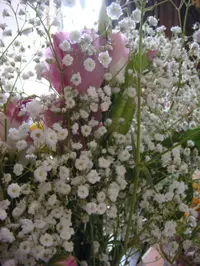
Showy baby's-breath (Gypsophila elegans) is a fast-growing annual known for its airy clouds of small white or pink flowers on fine, branching stems. It typically forms a loose, rounded mound that complements bolder plants in cottage-style and cutting gardens.
This species is native to parts of eastern Europe and western Asia, where it grows in open, sunny, often rocky or sandy sites. It is generally easy to grow from seed and suits gardeners who want quick color, but it dislikes heavy, waterlogged soils and prolonged humidity.
Those learning how to care for showy baby's-breath should know it prefers full sun, well-drained soil, and moderate moisture without persistent wetness.

Care Difficulty
Moderate Care

Light Preference
Full Sun

Water Requirements
Moderate Water

Temperature Preference
Cool Climate

Hardiness Zone
3–9

Soil Texture
Sandy, Loamy

Soil pH
Slightly alkaline (7.0–7.5), Alkaline (7.5–8.5)

Soil Drainage
Well-drained

Fertilization
Minimal (feed rarely)
Scan your plant to receive care tips personalized for your specific plant
Available on iOS and Android
Gypsophila elegans thrives in bright, open sites with plenty of direct sun.
Watering should support fast growth but keep the root zone airy and never saturated.
This annual prefers mild, dry conditions and tolerates a reasonable range of outdoor temperatures.
Humidity is rarely a concern, as this annual thrives in dry, airy conditions around 30–50%.
Soil for this species must be light, very free-draining, and only moderately fertile.
This species can be grown in containers, but only in very free-draining setups that prevent soggy roots.
Gypsophila elegans grows well in lean soil and needs only light feeding to support flowering.
Pruning Gypsophila elegans is mainly done to maintain neat flowering growth and remove spent material.
This annual is usually direct-sown, so transplanting young plants requires gentle handling.
Gypsophila elegans is most commonly propagated from seed for strong flowering displays.
This species is treated as an annual in most climates and generally needs no special winter care.

Plant Health Check
Not sure what's wrong with your plant? Check your plant's health inside the app.
This species is naturally native to dry, open habitats and rocky steppes in parts of Eastern Europe and western Asia, where it completes its entire life cycle as a true annual within a single growing season.
The plant often grows on calcareous, gypsum-rich, or otherwise alkaline soils, and its genus name reflects this preference, as gypsos means gypsum and philos means loving in Greek.
Unlike the perennial florist's baby’s-breath (Gypsophila paniculata), this annual species produces airy sprays of bloom that are popular in cut arrangements but typically have a shorter vase life and a more delicate, transient display.

In traditional cottage and wildflower-style gardens, this species has been used for over a century to create a soft, mist-like effect between taller, bold-flowered annuals, and classic seed catalogues from the late 19th and early 20th centuries already described it as a reliable filler for ornamental borders and bouquets.
This species is typically grown as a fast-flowering annual. Plants germinate, bloom, set seed, and die within one growing season, so fresh seed is usually sown each year for a continuous display.
Keep your plants happy and healthy with plant identification, disease detection, and easy care guidance.