Swamp milkweed Care (Asclepias incarnata)

Also known as: rose milkweed, Red Milkweed, Pink Butterfly Plant, Rose Milkflower, White Indian Hemp, White Milkmaid Butterfly Plant
Swamp milkweed

About Swamp milkweed

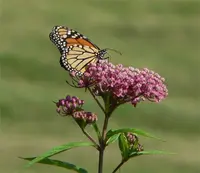
Swamp milkweed (Asclepias incarnata) is a perennial wildflower native to wetlands, stream edges, and damp meadows in North America. It forms upright clumps with narrow leaves and tall stems. In summer it bears clusters of pink to rose-purple flowers that attract butterflies, especially monarchs, along with many other pollinators. The plant often forms seed pods filled with silky, wind-dispersed seeds. Asclepias incarnata prefers full sun, consistently moist soil, and does best in sites that do not dry out completely. Once established, it is relatively hardy and low-maintenance, so it is not difficult to care for Swamp milkweed in suitable conditions.

Main Plant Requirements

Care Difficulty

Easy Care

Light Preference

Full Sun

Water Requirements

Keep Soil Moist

Temperature Preference

Cold Hardy

Hardiness Zone

3–9

Soil Texture

Loamy, Silty, Organic-rich

Soil pH

Acidic (5.5–6.5), Slightly acidic (6.5–7.0)

Soil Drainage

Moist but well-drained

Fertilization

Minimal (feed rarely)

Get Personalized Care Plan

Scan your plant to receive care tips personalized for your specific plant

Available on iOS and Android

How to Care for the Swamp milkweed

This species prefers full sun in typical garden conditions to support strong growth and flowering.

  • Provide 6–8 hours of direct sun daily; morning and midday sun produce the best stems and blooms for Swamp milkweed.
  • Accepts light partial shade (about 3–4 hours direct sun) but plants may grow taller, lean, and flower less heavily.
  • In hot southern climates, protect from intense late-afternoon sun with light shade; in cool or northern areas, prioritize maximum sun exposure through the growing season.

This moisture-loving perennial thrives in consistently damp soil without prolonged drying.

  • Aim for soil that stays evenly moist; in the ground near rain gardens or naturally wet spots, the plant often needs little extra watering once established.
  • During dry spells, water when the top 2–3 cm of soil begins to lose surface sheen, applying a slow, deep soak rather than frequent light sprinkling.
  • Watch for wilting, yellowing lower leaves, or soft, rotting stems as signs of overwatering or poor drainage, and crisp leaf edges or drooping in heat as underwatering indicators.

This hardy perennial tolerates a wide temperature range once established in the landscape.

  • Active growth is strongest around 70–85°F (21–29°C), with flowering during warm late spring and summer conditions.
  • Dormant roots survive typical winters down to about -30°F (-34°C) in the ground, provided soil drains reasonably and crowns are not waterlogged in deep cold.
  • Summer heat above 90°F (32°C) is tolerated if soil moisture stays high; young plants benefit from mulch to moderate soil temperature swings.

This species is flexible about humidity and suits most outdoor conditions.

  • Target 40–60% humidity, which is typical for many temperate outdoor environments.
  • Swamp milkweed tolerates drier air if soil moisture is consistent and roots do not dry out completely.
  • Crisping leaf edges and stalled growth during hot, dry, windy weather can indicate humidity stress; shelter plants or group them near other vegetation to slightly raise local humidity.

This wetland perennial prefers consistently moist, fine-textured soil with high organic matter.

  • Use a loamy or silty soil rich in compost to mimic natural marsh or streamside conditions for Asclepias incarnata.
  • Aim for soil that stays evenly moist yet not stagnant, with slow drainage rather than fast-draining, gravel-heavy mixes.
  • A pH of about 6.0–7.0 supports nutrient availability; mix in leaf mold or well-rotted compost to buffer pH and improve structure.
  • Avoid compacted clay, very sandy soil, or peat-only mixes; these either hold water without aeration or dry out too quickly.

This species can be grown in containers if moisture and root depth are carefully managed.

  • Choose a deep, heavy container to anchor tall stems and prevent tipping in wind.
  • Use a moisture-retentive mix, such as compost-rich loam with minimal perlite, to slow drying between waterings.
  • Place the pot in a watertight tray or saucer that allows a shallow water reservoir without submerging all drainage holes.

This native perennial needs only light feeding, especially in richer garden soils.

  • Apply a balanced, slow-release fertilizer (around 10-10-10) at 1/2 strength once in late spring as new growth starts.
  • In lean or sandy soils, supplement with a thin layer of compost around Swamp milkweed each spring.
  • Avoid high-nitrogen products, which encourage foliage over flowers and can weaken stems.
  • Do not feed in late fall or winter, when the plant is dormant.

Thoughtful pruning keeps Asclepias incarnata tidy and supports flowering and seed production.

  • In late fall or very early spring, cut back dead stems to 5–10 cm above the ground to renew growth.
  • During the growing season, remove dead, damaged, or crossing stems with clean hand pruners.
  • Deadhead spent blooms in midsummer if reduced self-seeding is desired and to encourage some rebloom.
  • Leave a few late-season seedpods if natural reseeding and wildlife food are priorities.

This species is best grown in-ground; transplanting and container moves should be infrequent and careful.

  • Transplant in early spring or early fall, when temperatures are mild and soil is moist but not waterlogged.
  • Look for signs such as slow growth, roots circling the pot, or drying out very fast as cues for moving container plants.
  • Shift to a slightly larger pot or new bed, disturbing the deep taproot as little as possible and keeping the root ball intact.
  • Water thoroughly after transplanting, then keep soil evenly moist for 1–2 weeks to reduce stress and support re-establishment.

New plants are most reliably produced from seed, with vegetative methods used less often.

  • Collect ripe seedpods in late summer to early fall and dry them before removing seeds.
  • Sow seeds outdoors in fall or cold-stratify in a refrigerator for 30–60 days before spring sowing to improve germination.
  • Use a well-drained, moist seed-starting mix and provide bright light and 65–75°F temperatures for indoor trays.
  • Transplant seedlings when they have several true leaves, handling roots gently to avoid damaging the developing taproot.

This cold-hardy perennial usually needs minimal winter care in most temperate climates.

  • As frosts arrive, allow stems to die back naturally; this supports winter habitat for insects and birds.
  • In colder regions or exposed sites, apply a 5–8 cm mulch layer after the ground cools to insulate roots.
  • For containers, move pots to a sheltered, unheated but frost-free or minimally freezing spot to reduce root damage.

Care Tips

Sturdy staking

Install discreet bamboo or wooden stakes early in the season and loosely tie stems with soft ties to prevent wind damage and lodging once the flowering stems reach 60–80 cm tall.

Seed pod management

After flowering, leave a few healthy pods to mature for wildlife value but remove the rest before they split if you want to limit self-seeding and keep planting beds orderly.

Targeted thinning

Each spring, thin out the weakest shoots at ground level so the remaining stems have better air flow and light penetration, which reduces foliar disease and encourages sturdier growth.

Monarch-safe pest control

Inspect plants weekly for aphids and gently wash them off with a firm stream of water or remove clusters by hand rather than using broad-spectrum insecticides that can harm monarch caterpillars when growing Swamp milkweed.

Managed division

Every 4–5 years, divide crowded clumps in early spring while shoots are small, replant only the healthiest sections, and water deeply to maintain vigor and prevent the stand from becoming woody and unproductive.

Common Pests and Diseases

Oleander aphids

These insects form dense yellow-orange clusters on stems, buds, and leaves, sucking sap and weakening plants. Symptoms include curled or distorted foliage and sticky honeydew that can lead to sooty mold.

Solution

Squash small colonies by hand or rinse them off with a firm stream of water, repeating every few days. For heavier infestations, use insecticidal soap or a neem oil spray directed at stem tips and leaf undersides, and cut back heavily infested stems to reduce population pressure while still supporting monarch larvae if present.

Milkweed beetles

This pest, usually the red milkweed beetle, chews leaves, stems, and sometimes seed pods, leaving ragged holes. Damage is often localized but can be significant on young plants or small clumps.

Solution

Handpick adult beetles and larvae and drop them into soapy water, checking plants every few days during peak season. In larger plantings, tolerate moderate feeding, but if damage is severe, cut back and dispose of heavily affected stems to reduce breeding sites while keeping some foliage intact for pollinators.

Leaf miners

These insects create winding, pale tunnels inside leaves as larvae feed between the leaf surfaces. Symptoms include irregular white or translucent trails that reduce the photosynthetic area.

Solution

Remove and dispose of mined leaves as soon as trails appear to interrupt the larval cycle. Encourage natural predators by avoiding broad-spectrum insecticides, and use a light horticultural oil spray on new growth if damage is recurring and severe.

Powdery mildew

This disease produces white, powdery patches on leaves and stems, often in late summer when humidity is high and air circulation is poor. Symptoms include dull, grayish foliage that may yellow and age prematurely.

Solution

Thin crowded stems and nearby vegetation to improve airflow and water at soil level instead of overhead. Remove and discard heavily infected leaves, and if needed apply a sulfur or potassium bicarbonate fungicide labeled for ornamental perennials at the first sign of mildew, following Asclepias incarnata care guidelines for spacing and site selection to prevent recurrence.

Leaf spot

This disease causes small tan, brown, or black spots that may merge into larger blotches, sometimes with yellow halos. Symptoms include premature leaf drop on lower stems during warm, wet weather.

Solution

Remove and discard affected leaves and any fallen debris around the plant to reduce spores. Improve spacing and airflow, avoid wetting foliage, and in persistent cases use a copper-based or chlorothalonil fungicide during prolonged wet periods, targeting lower leaves first where spots usually appear.

Interesting Facts

Specialist monarch nursery

This swamp milkweed is one of the monarch butterfly’s preferred larval host plants, and its leaves provide food for caterpillars that have evolved to tolerate the plant’s toxic cardiac glycosides, which deter most vertebrate herbivores.

True wetland native

Unlike many other milkweeds, this species is naturally adapted to saturated soils and seasonal flooding in North American wetlands, including marshes, wet meadows, and stream margins.

Fragrant clustered blooms

The plant produces dense clusters of pink to rose-purple flowers with a sweet, vanilla-like fragrance that attract a wide array of pollinators, especially native bees and butterflies, during mid to late summer.

Botan icon

Did you know?

Swamp milkweed produces boat-shaped seeds with silky hairs that function as a natural parachute, allowing wind dispersal across wetland landscapes and helping the species colonize new, often isolated, moist habitats.

FAQs about Swamp milkweed

This species is highly attractive to many native pollinators. Monarch butterflies use it as a host plant for caterpillars, and its nectar-rich flowers draw numerous bees, wasps, and other beneficial insects during the summer blooming period.

Grow Healthy Plants with Botan Care

Keep your plants happy and healthy with plant identification, disease detection, and easy care guidance.

Botan plant care app — identify plants on mobile

Explore More Plants