




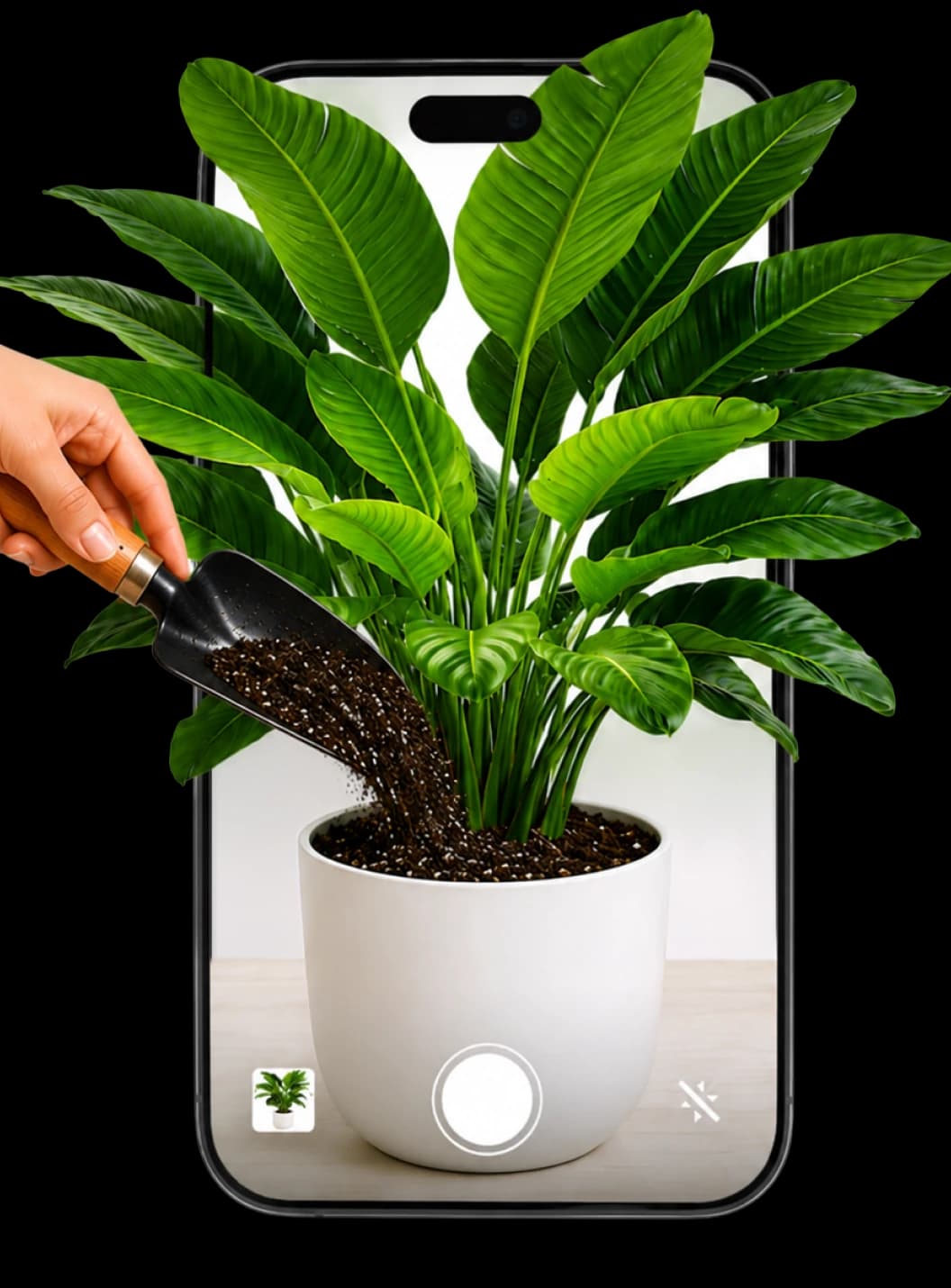
Best Soil for Swamp milkweed (Asclepias incarnata)

Asclepias incarnata grows best in moisture-retentive, airy soil with a slightly acidic reaction that supports steady root development.

Soil Texture

Loamy, Silty, Organic-rich

Soil pH

Acidic (5.5–6.5), Slightly acidic (6.5–7.0)

Soil Drainage

Moist but well-drained

Asclepias incarnata Soil Guide

Native to much of eastern and central North America, Asclepias incarnata grows in wet meadows, marsh edges, and streambanks. Those habitats explain its preference for soil that stays evenly moist while still allowing some air around the roots.

The best soil for Swamp milkweed is loamy or silty with plenty of organic matter. That texture holds moisture well, which supports steady growth, but it should not become dense and stagnant. A slightly acidic to acidic soil suits this species and matches the conditions of its natural range.

A homemade mix can balance airflow and moisture more precisely than many standard bagged products for Asclepias incarnata.

100% total mix = 20 scoops
10%
perlite or pumice2 scoops
20%
coco coir or peat moss4 scoops
30%
compost or leaf mold6 scoops
40%
high-quality topsoil or garden loam8 scoops

The finished blend should feel soft, slightly springy, and rich, with steady drainage and enough body to stay evenly moist.

Swamp milkweed prefers slightly acidic to acidic soil, with an ideal range around 5.5–7.0 pH. In that window, key nutrients stay more available to the roots, which supports steadier growth and healthier foliage.

It can handle a modest shift within that range, but strongly alkaline soil may limit nutrient uptake over time even when the soil otherwise looks suitable.

This species handles consistent moisture well, but soil conditions can still create stress if the root zone stays compacted or poorly balanced.

Compacted soil:

Dense soil can limit oxygen around the roots and slow growth; gently loosen the top layer and improve structure with organic material before conditions worsen.

Waterlogged root zone:

If the surface stays slick or sour-smelling, drainage may be too slow; first check the container or planting area for blocked runoff and trapped saturation.

Soil drying unevenly:

When the top crusts while lower layers stay wet or bone dry, root performance can become erratic; break up the surface lightly and recheck moisture through the full root zone.

Exhausted organic content:

Older mixes may shrink and lose their buffering ability, which can stress Asclepias incarnata; refresh with a modest layer of organic matter worked into the upper soil.

Match Plant to Soil

Botan helps match this plant to a more suitable growing medium based on its needs, so soil choices are easier to judge.

FAQ

Yes. A deeper pot helps support longer root development and keeps moisture more stable from top to bottom, which usually matters more than extra width for this species.

Everything About Swamp milkweed

More Plant Soil Guides

Is Your Soil the Problem?

Soil may be part of the issue, especially when decline is gradual. Botan’s photo-based assessment can help you decide what to check next.

Botan app helping with soil and plant care
How Long Can Flowers Go Without Water? Everything You Need to Know

6 min read · 10 Jul 2026

How Long Can Flowers Go Without Water? Everything You Need to Know

Flowers can survive without water anywhere from 1-2 hours to several months, depending on the plant type, species, and growing conditions. Some strong-looking flowers are drought-sensitive, while delicate-looking plants may tolerate long dry periods surprisingly well.

Plant Care
How Long Can Flowers Go Without Water? Everything You Need to Know
What Do Plants Need to Grow – 5 Things Every Greenery Can't Live Without

8 min read · 31 Jul 2026

What Do Plants Need to Grow – 5 Things Every Greenery Can't Live Without

To keep plants healthy and thriving, provide the right balance of light, humidity, nutrients, airflow, and quality soil. This guide covers the essentials of year-round plant care.

Beginner Guides
What Do Plants Need to Grow – 5 Things Every Greenery Can't Live Without
When to Plant Hydrangeas: Best Time by Season and Type

6 min read · 30 Oct 2026

When to Plant Hydrangeas: Best Time by Season and Type

Hydrangeas grow best when you plant them in cool weather. This guide explains when to plant hydrangeas in your area, compares fall and spring planting seasons, and shows the right steps for each type.

Beginner Guides
When to Plant Hydrangeas: Best Time by Season and Type