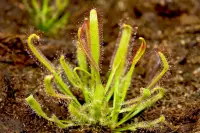
Best Soil for Cape sundew (Drosera capensis)

For Drosera capensis, the right soil texture, constant moisture, and strong acidity support healthy roots and steady growth.

Soil Texture

Sandy, Peaty, Organic-rich

Soil pH

Strongly acidic (4.5–5.5)

Soil Drainage

Waterlogged tolerant

Drosera capensis Soil Guide

Native to the Cape region of South Africa, Drosera capensis grows in wet, acidic, nutrient-poor ground, often in sandy peat-like habitats that stay consistently moist. That origin explains why Cape sundew soil should hold water well while still allowing some air around the roots.

Its roots are relatively fine and modest rather than deep or heavy, so the best soil for Cape sundew is light, low in nutrients, and rich in organic matter with a sandy texture. This balance suits a plant adapted to damp, waterlogged conditions without dense, compacted soil around the root zone.


A simple homemade mix works well when it stays low in nutrients and evenly textured. For Drosera capensis, combine clean ingredients carefully and avoid enriched products.

100% total mix = 20 scoops
20%
perlite4 scoops
30%
silica sand6 scoops
50%
sphagnum peat moss10 scoops

The finished mix should feel light, slightly springy, and evenly damp, with slow drainage that still leaves small air spaces around the roots.

Cape sundew grows best in strongly acidic soil, around 4.5–5.5 pH. That range keeps the root zone closer to the low-mineral conditions this species is adapted to.

Outside that range, nutrient availability shifts and dissolved minerals can become harder for the plant to handle over time. A consistently acidic mix is usually more important than trying to fine-tune small pH changes.

This species is sensitive to mineral buildup and dense root conditions. Changes in the growing medium can contribute to stress, so it helps to check the soil early.

Crusted surface:

A white or tan crust can point to mineral residue, and the first response is replacing the affected mix with a cleaner, low-mineral medium.

Compacted mix:

If the surface looks shrunken, tight, or hard to penetrate, loosened structure may be gone, so refresh the medium before roots stay compressed too long.

Sour smell:

A swampy or rotten odor suggests the medium has broken down too far, and the first step is removing old material and starting with a fresher, airy Cape sundew soil mix.

Green film on top:

Algae often forms when the surface stays bright and stagnant, so scrape off the top layer and improve surface freshness with a clean replacement layer.

Find the Right Soil

Botan helps match this species to an appropriate growing medium so the soil choice fits its needs from the start.

FAQ

It does not need to be laboratory-sterile, but the mix should be clean, low in minerals, and free of fertilizers, pests, and decomposed organic debris before use.

More Plant Soil Guides

Soil Problem? Scan It.

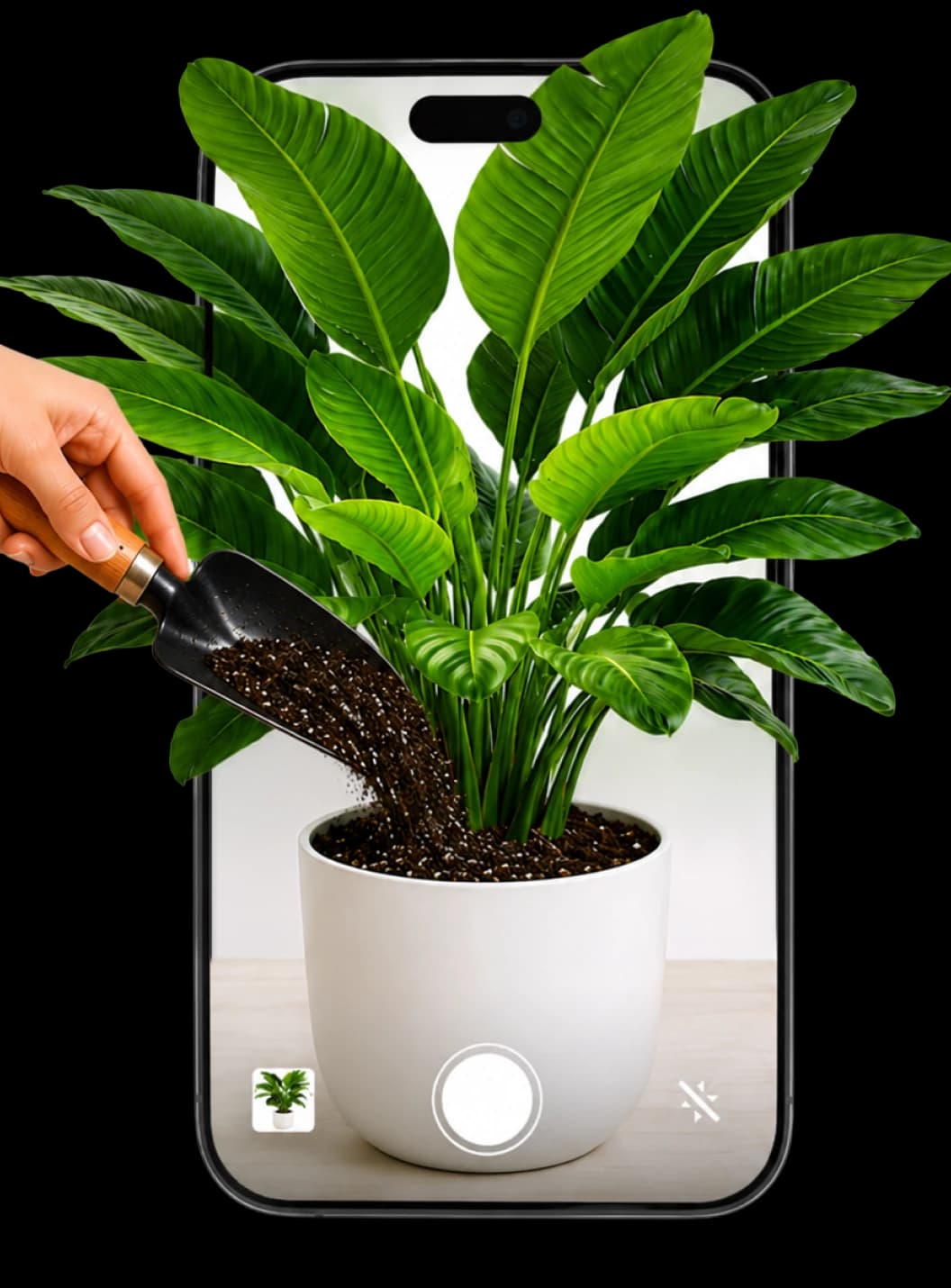
A photo check can help show whether the growing medium may be part of the issue. Botan reviews visible stress patterns and points to likely care factors.

Botan app helping with soil and plant care
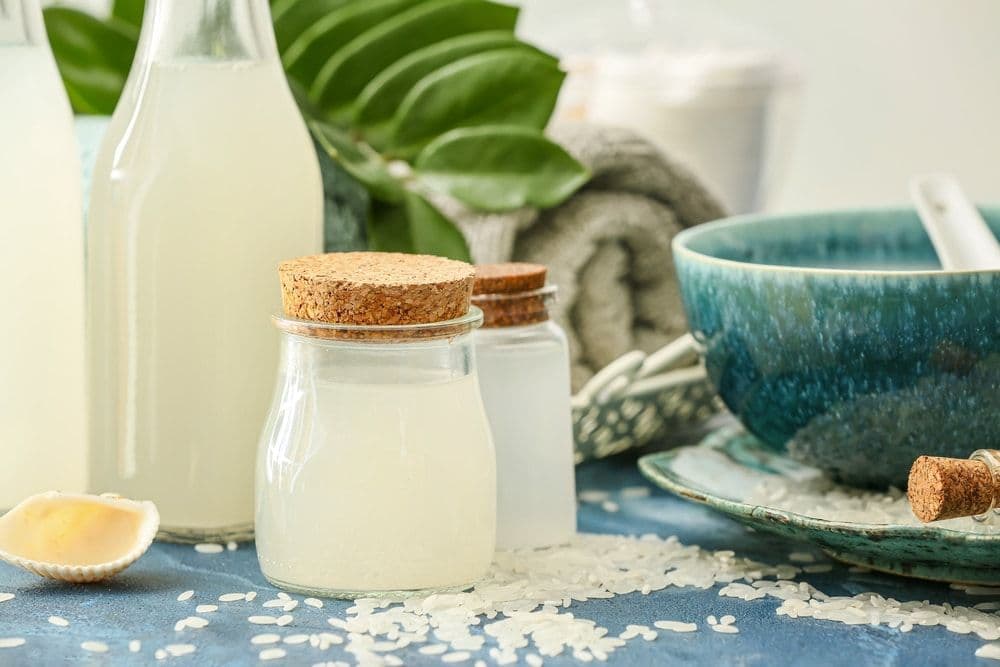
Rice Water for Plants – Which Plants Love It and How to Make It

8 min read · 14 Jul 2026

Rice Water for Plants – Which Plants Love It and How to Make It

Rice water can be an ideal DIY solution for orchids, roses, or fruiting plants. It supports growth, leaf count, and height. We’ll share how to make and apply it correctly for your plant.

Plant Care
Rice Water for Plants – Which Plants Love It and How to Make It
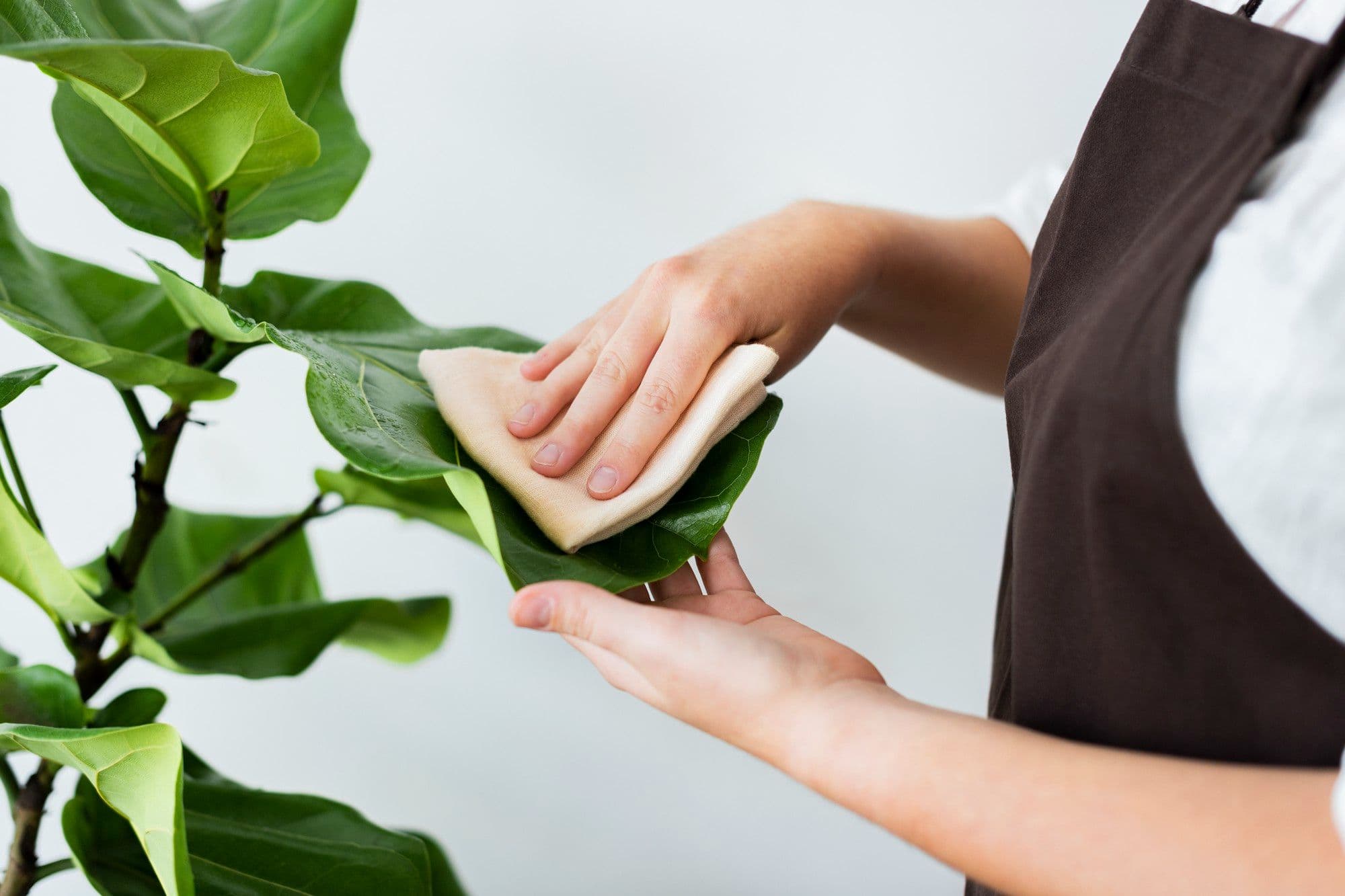
How to Clean Plant Leaves: A Simple Care Guide

6 min read · 4 Aug 2026

How to Clean Plant Leaves: A Simple Care Guide

Dusty leaves look dull and don't absorb light well. Below, you'll find simple ways to clean them, which tools are truly effective, how often you should do it, and what causes damage.

Beginner Guides
How to Clean Plant Leaves: A Simple Care Guide
13 Best Front Yard Trees for Every Home and Yard

12 min read · 7 Aug 2026

13 Best Front Yard Trees for Every Home and Yard

A front yard tree can stay for decades. Therefore, choosing one deserves serious consideration. Here are 13 trees that have proven themselves, sorted by their purpose. You'll also find five species to avoid and basic planting information.

Plant Recommendations
13 Best Front Yard Trees for Every Home and Yard