



Best Soil for Ming aralia (Polyscias fruticosa)

A loose, organic-rich mix helps Polyscias fruticosa maintain healthy roots by balancing moisture retention, airflow, and steady drainage.

Soil Texture

Loamy, Sandy, Organic-rich

Soil pH

Acidic (5.5–6.5), Slightly acidic (6.5–7.0)

Soil Drainage

Moist but well-drained

Polyscias fruticosa Soil Guide

Native to tropical Southeast Asia and Pacific islands, Polyscias fruticosa grows where warmth, humidity, and regular moisture are common. That background explains its preference for soil that stays lightly moist but still drains freely, so roots receive steady water without sitting in stale, airless conditions.

A loose loamy to sandy texture with plenty of organic matter suits its fine root system. This kind of Ming aralia soil holds enough moisture for consistent growth, while air spaces around the roots help support healthy uptake and reduce stress from compacted, heavy substrate.

A simple homemade blend can give Polyscias fruticosa the balance of moisture retention and airflow it needs in a container.

100% total mix = 20 scoops
15%
coco coir or peat moss3 scoops
20%
perlite or pumice4 scoops
25%
pine bark fines or orchid bark5 scoops
40%
high-quality potting soil8 scoops

The finished mix should feel light, crumbly, and slightly springy, with water moving through evenly instead of pooling or rushing straight out.

This species can react poorly when the root zone stays stagnant or compressed for long periods. Soil may be one factor to check when growth becomes uneven.

Compacted mix:

Compacted mix: if the surface hardens and water lingers unevenly, gently loosen only the top layer and plan to replace the medium with a fresher, airier one.

Slow drainage:

Slow drainage: if the container stays heavy for too long after watering, check that the drain holes are open and remove any saucer water that keeps the base saturated.

Hydrophobic soil:

Hydrophobic soil: if very dry mix shrinks from the pot edge and resists wetting, re-moisten it gradually so the root ball can absorb moisture evenly again.

Salt buildup:

Salt buildup: a crust on the surface can come from mineral-rich water or residue, so scrape off the top layer and flush the pot thoroughly once or twice.

Better Soil Starts Here

Botan helps match this plant to a suitable soil setup, so it is easier to choose a mix that fits its root needs.

FAQ

Yes. Drainage holes help excess water leave the container, which keeps the root zone better aerated and lowers the chance of dense, stagnant conditions developing in the potting mix.

Everything About Ming aralia

More Plant Soil Guides

Check What the Soil Is Doing

If a plant looks stressed, Botan’s photo-based assessment can help you check whether soil conditions might be part of the problem.

Botan app helping with soil and plant care
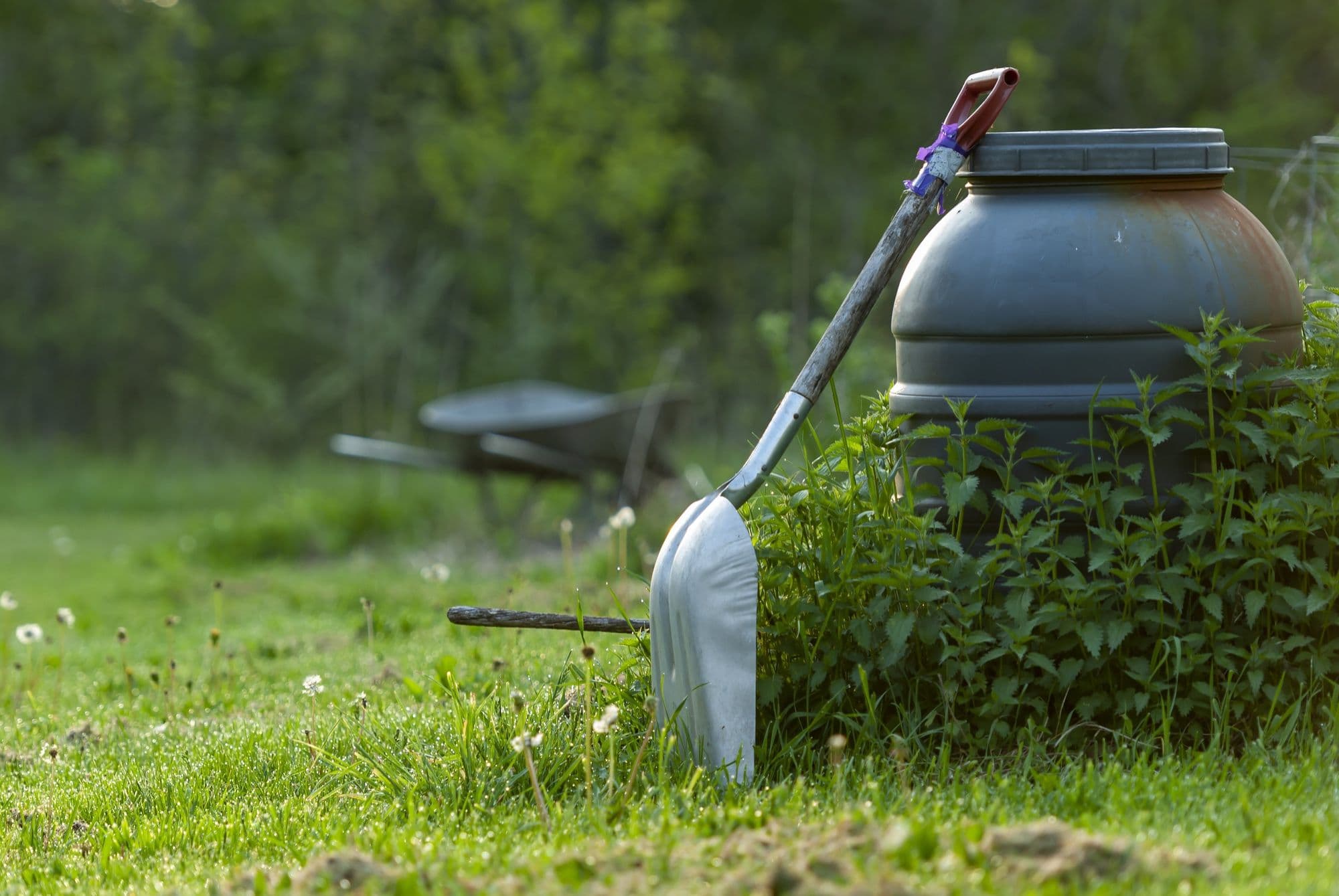
How to Mist Plants – Proper Technique and Common Mistakes

7 min read · 30 Jul 2026

How to Mist Plants – Proper Technique and Common Mistakes

Find out when misting works well and when to avoid it. Here, you’ll find detailed information about compatible and incompatible species, tips on how often to mist plants and do it correctly, and some great alternatives for raising humidity.

Beginner Guides
How to Mist Plants – Proper Technique and Common Mistakes
Best Fertilizer for Grass in Summer: How to Choose the Right One

6 min read · 18 Aug 2026

Best Fertilizer for Grass in Summer: How to Choose the Right One

The right fertilizer in summer can make a lawn thrive. The wrong one can damage it. Here, you’ll learn the best NPK ratios by grass type, when and how to apply your formula, and how to recognize the signs of over- or under-fertilizing.

Plant Care
Best Fertilizer for Grass in Summer: How to Choose the Right One
15 Best Scary Halloween Plants and Fungi for a Spooky Garden

8 min read · 9 Oct 2026

15 Best Scary Halloween Plants and Fungi for a Spooky Garden

Want a garden that looks eerie in October? Here are 15 Halloween plants and fungi, from carnivorous traps to bleeding mushrooms. For each species, we cover its appearance, care requirements, and potential uses in your landscape.

Plant Recommendations
15 Best Scary Halloween Plants and Fungi for a Spooky Garden