




Best Soil for sugar maple (Acer saccharum)

Acer saccharum grows best in soil with balanced moisture, good drainage, and a slightly acidic reaction that supports steady root development.

Soil Texture

Loamy, Sandy, Clay

Soil pH

Acidic (5.5–6.5), Slightly acidic (6.5–7.0)

Soil Drainage

Moist but well-drained

Acer saccharum Soil Guide

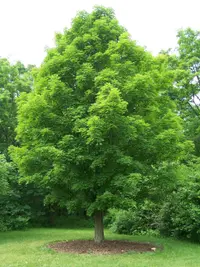
Native to eastern North America, Acer saccharum grows in cool forests where the ground stays evenly moist but drains well. That woodland setting helps explain why it prefers soil that holds steady moisture without staying soggy or airless.

Loamy soil is often the best soil for sugar maple because it balances moisture retention, drainage, and root aeration. It can also grow in sandy or clay-based ground if enough organic matter is present and water does not sit around the roots. Slightly acidic to acidic soil supports healthy nutrient uptake.

A simple custom blend gives Acer saccharum a steadier balance of moisture retention and airflow than many heavy or overly light bagged mixes.

100% total mix = 20 scoops
10%
perlite or pumice2 scoops
20%
coarse sand4 scoops
30%
compost or leaf mold6 scoops
40%
loam-based garden soil8 scoops

The finished mix should feel crumbly and substantial, hold some moisture after wetting, and let excess water move through without staying soggy.

A slightly acidic to mildly acidic range of about 5.5–6.8 suits sugar maple best. In that range, key nutrients stay more available to the roots, especially iron and manganese, while overall uptake remains balanced.

This species can tolerate a narrow shift toward near-neutral soil, but strongly alkaline conditions are less suitable over time. If pH drifts too high, nutrient availability usually declines even when the soil otherwise looks acceptable.

Several soil-related issues can affect root health gradually, especially in dense or disturbed growing conditions around Acer saccharum.

Compaction:

Compaction: Hard, dense soil limits air around the roots; gently loosen the surface and add organic matter to improve structure over time.

Poor drainage:

Poor drainage: Water that lingers in the root zone can reduce oxygen; check drainage after rain or watering and improve runoff or soil texture if needed.

High alkalinity:

High alkalinity: Soil that is too alkaline can restrict nutrient uptake; test pH first, then adjust with suitable acidifying amendments only if results confirm it.

Shallow dryness:

Shallow dryness: Fast-drying topsoil can stress fine roots near the surface; add a natural mulch layer to moderate temperature and reduce evaporation.

Find the Right Soil

Botan helps match this plant to a more suitable soil setup based on its growth habit, container conditions, and visible root-zone stress.

FAQ

Yes. Drainage holes help excess water leave the container and reduce stagnant conditions around the roots. That matters for the best soil for sugar maple, because even a good mix fails if water cannot escape.

More Plant Soil Guides

Wrong Soil? Check It.

If a plant looks off, Botan can help check whether the soil may be part of the problem using a photo-based assessment.

Botan app helping with soil and plant care
Best Water for Plants – How to Choose the Right Type

7 min read · 13 Aug 2026

Best Water for Plants – How to Choose the Right Type

Rainwater, filtered, distilled, and tap water affect plants differently. Learn which types support healthy growth and which cause slow damage. Match each to your plants and discover how to easily improve tap water quality.

Plant Care
Best Water for Plants – How to Choose the Right Type
Plants That Repel Mosquitoes – 10 Effective Choices

8 min read · 6 Jul 2026

Plants That Repel Mosquitoes – 10 Effective Choices

Plants that repel mosquitoes can help mask human scent naturally and make outdoor spaces more comfortable. Explore the most effective options, their benefits and drawbacks, and choose the right plant for your space.

Plant Recommendations
Plants That Repel Mosquitoes – 10 Effective Choices
How to Winterize Your Garden in 6 Steps

5 min read · 28 Sept 2026

How to Winterize Your Garden in 6 Steps

Learn how to prepare your garden for winter with a practical six-step checklist covering cleanup, tender plant care, watering, mulching, winter protection, and winterizing equipment and containers.

Plant Care
How to Winterize Your Garden in 6 Steps