Best Water for Plants – How to Choose the Right Type
Rainwater, filtered, distilled, and tap water affect plants differently. Learn which types support healthy growth and which cause slow damage. Match each to your plants and discover how to easily improve tap water quality.

On this page
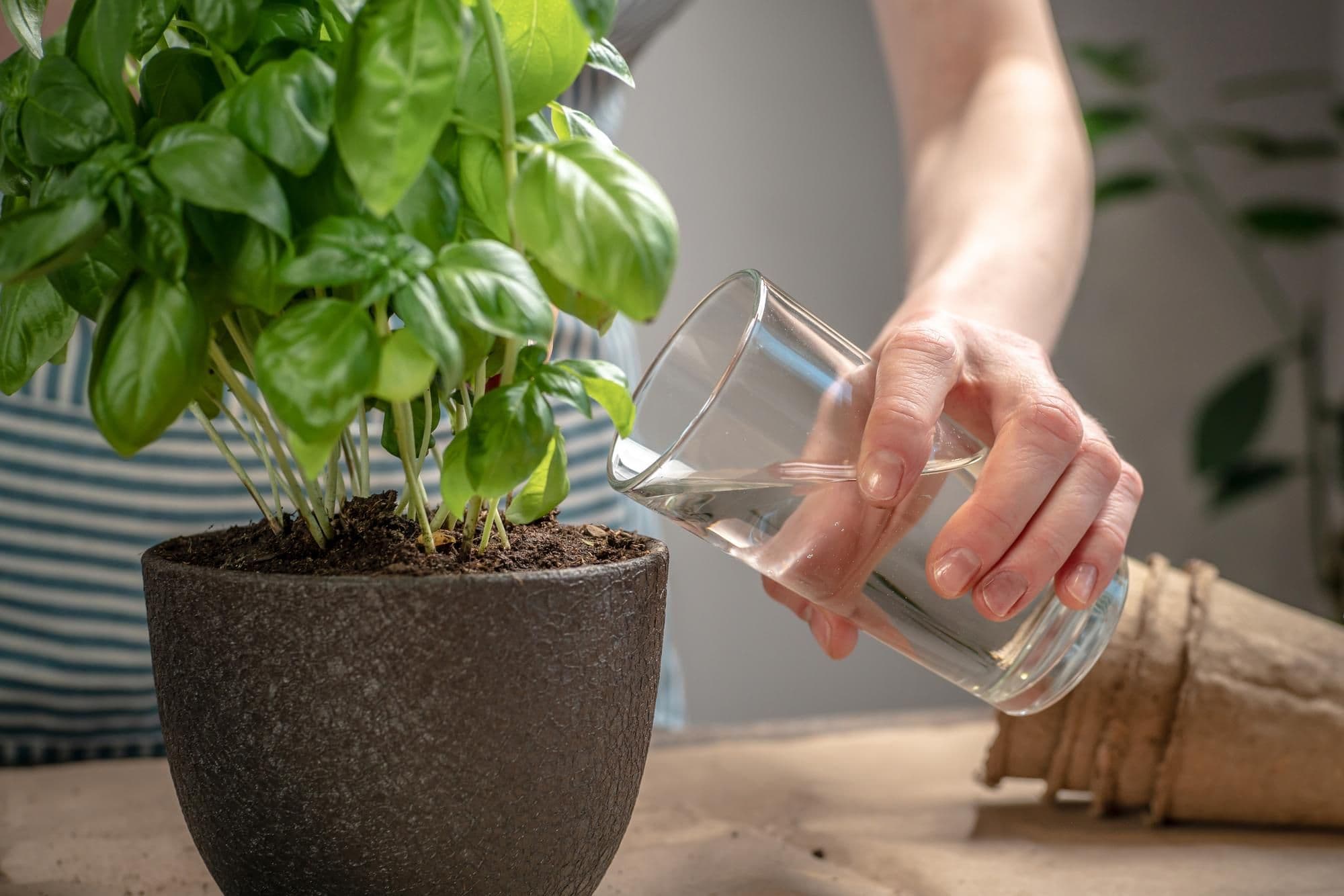
Plants take up whatever is in their water, including minerals, treatment chemicals, and salt. Rainwater is considered the best water for plants due to its softness and acidity. Tap water is generally safe, but distilled and filtered options are cleaner. Softened types can damage plants more than any of the types above.
Below, we break down every common water type and explain exactly what each does to your plants. Read on, consider the effects, and make an optimal choice.
Types of Water for Plants – Quick Comparison
Different water sources vary significantly in pH level, mineral content, and chemical composition. Those differences directly determine what type of water is best for plants in your situation.
Type | Pros | Cons | Best For |
Tap | Widely available, contains trace minerals | Hard mineral accumulation over time, chlorine and fluoride concerns | Hardy houseplants, outdoor plants |
Rainwater | Soft, acidic (pH 5.0-5.6), free of treatment chemicals, contains nitrates | Requires collection; may carry pollutants | All and especially sensitive species |
Distilled | Purified, no chemicals, no minerals | Strips beneficial minerals | Carnivorous & fluoride-sensitive groups |
Reverse Osmosis (RO) | Removes 90-99% of most dissolved contaminants | Also removes beneficial minerals, requires a filtration system | Sensitive houseplants, orchids |
Filtered | Reduces chlorine, retains some beneficial minerals | Effectiveness comes down to the filter type | General houseplant use |
Softened | No actual benefits | High sodium content causes root damage | Not recommended overall |
Boiled | Removes free chlorine | Does not remove chloramine, fluoride, or minerals; can concentrate fluoride after evaporation | Occasional use when better options aren't available |
Now, let’s analyze each type and see when extra effort is genuinely worth it.

Keep Plants Thriving
Get simple care guidance tailored to each plant’s needs in the app
Best Water Types for Your Plants
We ranked all the options from the most reliable ones to situational alternatives. Take a look and choose the best water for houseplants you're currently growing.
Rainwater
Rainwater is the best option overall. It's naturally soft, slightly acidic (pH 5.0-5.6), free of treatment chemicals, and it also contains nitrates for active foliage growth.
That combination supports nutrient uptake and root health. By contrast, municipal tap water is treated to be alkaline to protect pipes. That’s why it can reach pH 8.5, which works against most species' natural chemistry.
Filtered Water
This type is between tap and distilled. It removes chlorine and some contaminants while retaining trace minerals plants can actually use. However, the exact result depends greatly on the filter type.
Activated carbon filters handle chlorine well. More advanced options, such as multi-stage filters, can help remove a broader range of contaminants. For salt- and mineral-sensitive plants, such as Jade plant, a basic carbon filter is enough to make a noticeable difference.
Run the first cup of filtered water to waste each morning. It clears stagnant liquid that sat in the filter overnight.
Distilled Water
Distilled water for plants is legitimately pure. It contains no minerals, no chemicals, no additives. That makes it quite a good fit for species sensitive to fluoride and mineral accumulation, like calatheas or Boston ferns.
However, distillation removes beneficial minerals too. So, plants may show signs of nutrient deficiency over time, which is why it's more of an occasional option than an everyday source.
Reverse Osmosis (RO) Water
RO water is produced by pushing it through a fine membrane that removes 90-99% of most dissolved substances. These include chlorine, fluoride, and heavy minerals. The result is very similar to distilled types, but the process is more practical for regular use.
RO water strips beneficial minerals along with the harmful ones, so the plant will require extra fertilization. Still, it is compatible with mineral-sensitive plants. Orchids, for example, are prone to salt and mineral damage and respond well to its low dissolved solids.
RO systems waste several gallons of water for every gallon filtered. Check the system's efficiency ratio before buying.
Boiled Water (Dechlorinated)
Boiling tap water removes free chlorine. That’s why it’s safer, but the limitations are also real. Boiling doesn't remove chloramine, which many municipal systems now use instead of or along with free chlorine.
It also concentrates fluoride through evaporation, which increases the risk of tip burn and leaf damage in more sensitive plants, for example, peace lilies. Always let it cool completely before use.

Water Types to Avoid or Use With Caution
Being selective about what to water plants with matters most when it comes to tap, softened, and shower types.
Tap water is the default for most and works fine for hardy species. The issues arise over time: chlorine and chloramine affect soil biology. Hard tap water also leaves behind calcium and magnesium deposits that gradually raise soil pH and block nutrient uptake.
Fluoride is the bigger concern for certain houseplants. Species like dracaenas, spider plants, and gladioli are particularly sensitive, accumulating it in leaf tissue until damage appears as tip and margin burn.
Softened water is one of the worst choices for most species. Softeners work by replacing calcium and magnesium with sodium, which accumulates in the soil with every application. Over time, it creates saline conditions that mimic over-fertilization. Signs of toxic salt deposits include:
- White crusty deposits on soil or pot edges
- Yellowing or browning leaves
- Burnt leaf tips
- Noticeable wilting
- Speckled or patchy leaf discoloration
Shower water picks up soap residue, shampoo, conditioner, etc. These substances change soil pH and can coat roots, preventing them from absorbing moisture. They can cause buildup in potted plants, even if it was a one-time accident.
So, resilient and low-maintenance plants can tolerate occasional tap use with unwanted additives without issue, but none of them benefit from softened or shower options long-term.
Not sure how to water your plant?
Scan it to get science-backed watering guidance
How to Make Tap Water Safe for Plants
This is what most people use, and it really works. Still, a few simple adjustments make it better water for plants to grow healthy and strong.
- Let water sit overnight in an open, wide-mouthed container. Free chlorine dissipates naturally within 24 hours.
- Leave it in sunlight. Direct sun breaks down chlorine significantly faster than if left indoors..
- Aerate it. Pouring it back and forth between two containers a few times speeds up chlorine off-gassing without any equipment.
- Add a pinch of vitamin C. A small amount of ascorbic acid powder neutralizes both chlorine and chloramine almost instantly and won't affect your plants.
- Use a carbon filter jug. This reduces chlorine effectively.
- Install a whole-house or under-sink filter. This is the most thorough solution if the quality is a consistent concern.

Match Water to the Plant in Your Home or Garden
Different plants respond very differently to what goes into their soil. Species sensitivity, mineral content, and pH all play a role, so check what your plant will appreciate most.
Plant Type | Best Water | Why It Works |
Carnivorous species (Venus flytrap, sundew) | Distilled / rainwater | Evolved in nutrient-poor bogs; additional nutrients are just harmful |
Orchids and bromeliads | RO or rainwater | Sensitive to mineral deposits; hard water leaves residue on roots |
Fluoride-sensitive plants (Dracaena, spider plant, peace lily, calathea) | Filtered or distilled | Accumulate fluoride at leaf margins until it reaches toxic levels |
Adaptable tropicals (e.g., Japanese aralia, monstera, philodendron) | Tap or filtered | Tolerant of most types; no salt deposits with deep, occasional watering |
Hardy houseplants (pothos, heartleaf philodendron, ZZ plant, most succulents & cacti) | Tap | High mineral tolerance; handle standard tap water without issues |
Not sure what type you have? You can identify your houseplants in seconds on the Botan app, learn the exact species and the group it belongs to, and get a custom, science-backed watering guide.
FAQ
It’s safe for most plants and works great for sensitive groups, including carnivorous plants, due to the absence of chlorine, fluoride, or mineral accumulation. However, it also lacks the trace minerals that plants need, so long-term use without fertilizer can cause nutrient deficiency.
Alex Yar
Plant Expert
7+ years of experience studying plants, researching their diseases, and examining their characteristics.
Alex is a plant expert and writer with more than 7 years of experience studying plants, their growing requirements, and their responses to environmental conditions. His areas of expertise include plant care, disease recognition, stress diagnosis, pest-related problems, and the distinctive characteristics of different species.
Over the years, Alex has developed a strong practical understanding of how light, temperature, humidity, watering, soil conditions, and nutrition affect plant health. He combines careful observation with in-depth research to explain effective care and recovery methods.
Alex has extensive hands-on experience caring for houseplants. His articles translate complex botanical topics into clear guidance that helps you better understand your plants and recognize early warning signs.
Related Articles
5 min read · 28 Sept 2026
How to Winterize Your Garden in 6 Steps
Learn how to prepare your garden for winter with a practical six-step checklist covering cleanup, tender plant care, watering, mulching, winter protection, and winterizing equipment and containers.
6 min read · 15 Sept 2026
Can Plants Grow With Artificial Light?
Plants can grow under artificial light when the setup provides a suitable spectrum, enough intensity, and sufficient daily exposure. This guide explains how artificial lighting compares with sunlight, which options work indoors, and how to match a setup to houseplants.
4 min read · 14 Sept 2026
Is Sugar Water Good for Plants?
Sugar water may sound like an easy boost, but most rooted plants do not need extra sucrose. This guide explains how green tissues produce carbohydrates, when a sweetened solution can be useful, and why too much can cause problems.
Explore Plants by Care Needs
-1-200x150.webp) POPULAR
POPULARTasmanian tree fern
Dicksonia antarctica
 POPULAR
Carnation
Dianthus caryophyllus
 POPULAR
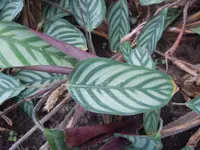
Never Never Plant
Ctenanthe setosa
 POPULAR
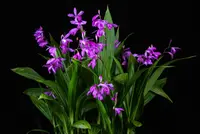
Chinese ground orchid
Bletilla striata
 POPULAR
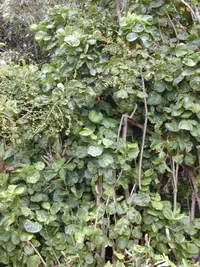
Shield aralia
Polyscias scutellaria
 POPULAR
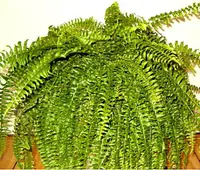
Southern Sword Fern
Nephrolepis exaltata
 POPULAR
Monstera minima
Monstera minima
 POPULAR
Fishbone Prayer Plant
Ctenanthe burle-marxii
Identify the plant and problem. Help your plant recover
Identify plant problems early, understand what's wrong, and get clear care guidance. Botan helps you turn guesswork into confident plant care