
Banana Peel Water for Plants: 5 Things to Know Before Trying It
Banana water can provide potassium and some nutrients that may support plant growth, but it is not a universal fix. Use it carefully and only when the plant actually shows signs of nutrient deficiency rather than as a routine treatment.

On this page
- Banana Water Fertilizer: What's Actually in It
- 1. Banana Peels Contain Real Nutrients
- 2. It Works Better for Some Plants Than Others
- 3. Banana Water Can Attract Pests
- 4. Banana Water Is a Supplement, Not a Fertilizer
- 5. Overuse Can Cause Problems
- How to Make Banana Water for Plants
- Take Better Care of Your Plants Every Day
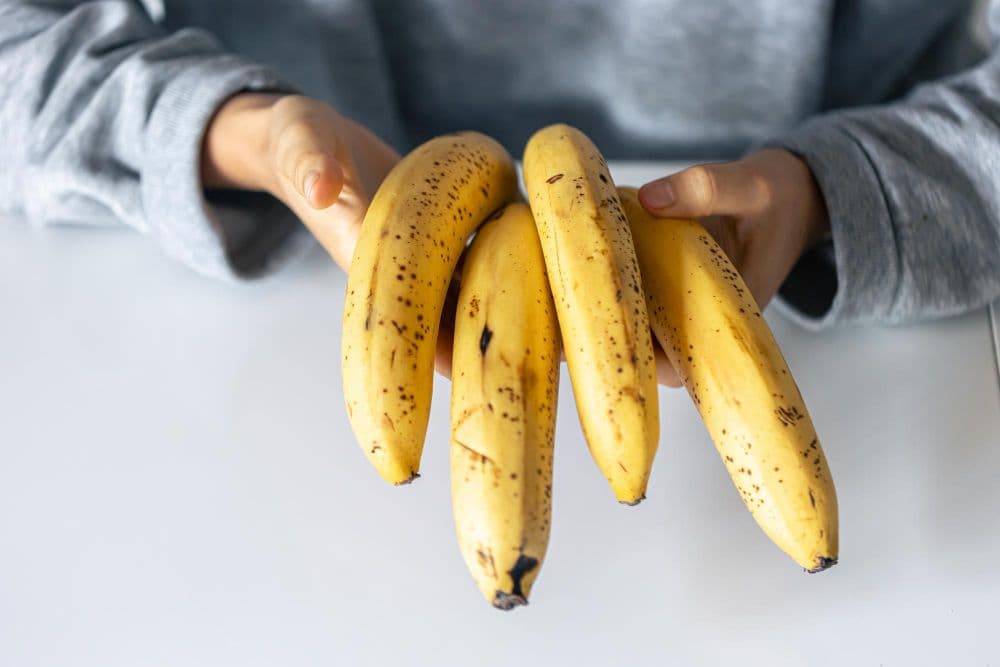
Does banana water help plants? This question appears quite often on gardening forums. And the answer is not straightforward. It is definitely not a marketing myth, but it is also not a cure-all either. Banana water contains potassium and certain elements, and they do affect plant growth. At the same time, it should be used carefully, knowing exactly which nutrients are missing and whether the plant has a problem at all.

Banana Water Fertilizer: What's Actually in It
Banana peel water works more like a mild plant-based infusion than a complete fertilizer or true compost tea. Some soluble compounds leach into the water, but the nutrient content remains variable and limited.
It is an eco-friendly alternative to synthetic fertilizers; however, the composition can vary depending on the peel ripeness and the soaking time. More on this is explained in the points below.

Keep Plants Thriving
Get simple care guidance tailored to each plant’s needs in the app
1. Banana Peels Contain Real Nutrients
Making banana water for plants requires no special equipment, and this is one of the main advantages of this type of fertilizer. During soaking, nutrients are released into the liquid.
- Potassium. This element regulates water movement within cells, allowing the plant to survive during periods of drought or temperature fluctuations. It also activates enzymes involved in growth.
- Magnesium. It is part of chlorophyll involved in photosynthesis, so a lack of magnesium quickly shows as yellowing between the leaf veins.
- Phosphorus. Provides energy for cell division in root tissue, allowing new root sections to be formed and grow deeper into the soil.
- Calcium. This element acts as a binding agent between cell walls that supports the growth of new shoots and leaves and strengthens tissue structure.
Houseplants that do not draw nutrients from open soil respond especially well to this nutrient set.
2. It Works Better for Some Plants Than Others
Is banana water good for all plants? No. During flowering and root growth, this addition will definitely be useful. However, plants that consistently require higher nitrogen levels will need additional feeding.
Plant Type | Is It Useful? |
Roses like Beach Rose and flowering shrubs | Yes. It supports petal development and color |
Tomatoes and peppers (e.g., Prayer pepper) | Yes. Potassium improves yield and flavor |
Ferns like Lady-fern, and shade plants | Partially. Limited benefit without nitrogen |
Succulents (e.g., Aloe vera) | Use with caution. Prone to root sensitivity |
Yes. Responds well to mild organic feeding | |
Herbs (for example, Sweet basil or mint) | Partially. Better suited to a balanced fertilizer |
Soaking banana peels gives a mild infusion that works well as a supplement, not a replacement for the main feeding.
3. Banana Water Can Attract Pests
Problems when using banana peel water for plants can start from the preparation of this organic fertilizer. One of the most unpleasant is the appearance of gnats, mosquitoes, and other pests.
This usually happens when the mixture is left to soak for too long. Fermented liquid attracts insects much more than a fresh one. The optimal soaking time for peels is from 24 to 48 hours.
Separately, it should be mentioned that the Japanese banana, an ornamental species, is not recommended for making banana water fertilizer. Its peel composition differs from that of a regular banana, and when soaked, such liquid may ferment faster.
4. Banana Water Is a Supplement, Not a Fertilizer

Despite all the advantages of this infusion, it is unlikely to deliver results comparable to a complete fertilizer. It offers only mild support and does not cover a plant’s full nutritional needs. It also contains little to no nitrogen, which many plants need for steady growth.
Banana peel water also lacks the elements required by soil microbes. That is why this remedy should be used as a basic supplement in addition to the main feeding.
5. Overuse Can Cause Problems
Using the infusion too often can cause problems because it can disrupt the soil’s mineral balance. Excess potassium can block the uptake of magnesium and calcium, leading to symptoms similar to nutrient deficiencies.
So, knowing what plants like banana water is not enough; it is equally important to understand how often the infusion should be used.
When the plant is actively growing, the optimal frequency is once every two weeks. During the dormant period, it is better to avoid this type of feeding. Houseplants absorb nutrients slowly at this stage, and their excess can place unnecessary strain on the soil.
How to Make Banana Water for Plants
Preparing this infusion is not difficult; however, it is better not to allow even small mistakes during the process. They can reduce their effectiveness or attract pests. Although there are several ways to make banana water, classic soaking remains the simplest and most accessible.
- Rinse the peel of a ripe banana and remove any remaining pulp if needed.
- Place it in a clean glass jar or container.
- Add 300 ml of room-temperature water.
- Cover with a lid and leave for 24–48 hours.
- Strain the liquid using a fine sieve or cheesecloth.
- Dilute the solution 1:1 with water before use.
Used occasionally, this infusion can add small amounts of potassium and other trace nutrients to a regular care routine.
Take Better Care of Your Plants Every Day
Banana water can be useful, but you need to know whether your plant needs it right now. Many plant care mistakes are related to incorrect diagnosis rather than a lack of theoretical knowledge.
For example, nutrient deficiency can be easily mistaken for overwatering or disease, and vice versa. Observing leaf condition, roots, and growth rate provides more useful information than any “universal” advice.
FAQ
No, not for all. For example, too much organic matter can harm cacti, as it disrupts the soil’s mineral balance. This type of infusion is usually beneficial for flowering houseplants as well as tropical species.
Dariia Plaksina
Botanist
5 years of botanical research experience
Dariia Plaksina is a biologist, botanist, and writer of informational articles with over 5 years of experience exploring the world of plants, nature, and biology. She studied at Taras Shevchenko National University of Kyiv, Educational and Scientific Center “Institute of Biology and Medicine,” where she built a strong scientific foundation for her future work.
For Dariia, writing is a hobby, a calling, and a way to make reliable knowledge easier to understand. Her articles focus on plant care, plant health, and natural processes, helping readers learn more about the living world through clear, accessible, and science-based explanations.
Related Articles

5 min read · 28 Sept 2026
How to Winterize Your Garden in 6 Steps
Learn how to prepare your garden for winter with a practical six-step checklist covering cleanup, tender plant care, watering, mulching, winter protection, and winterizing equipment and containers.
6 min read · 15 Sept 2026
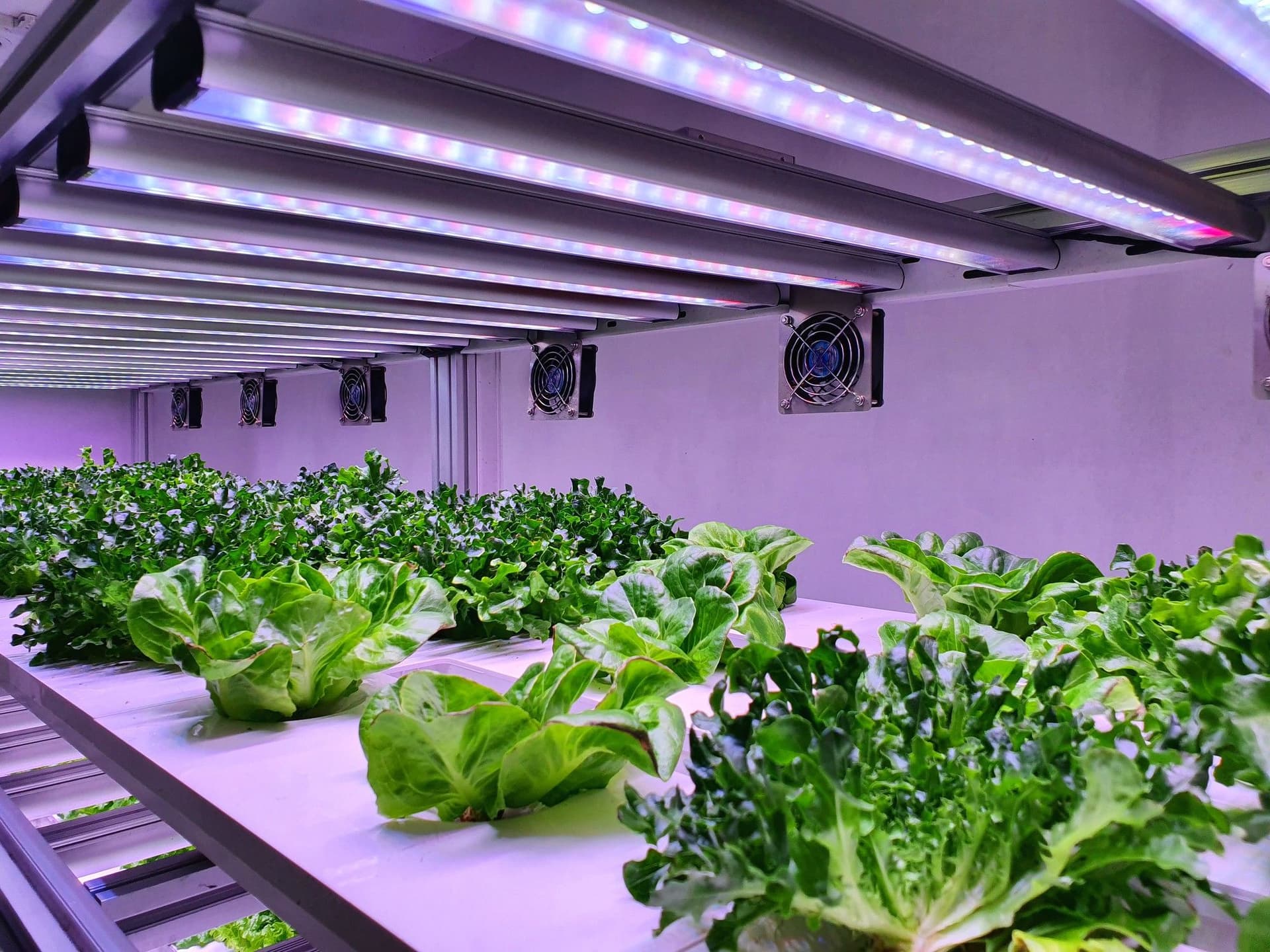
Can Plants Grow With Artificial Light?
Plants can grow under artificial light when the setup provides a suitable spectrum, enough intensity, and sufficient daily exposure. This guide explains how artificial lighting compares with sunlight, which options work indoors, and how to match a setup to houseplants.
4 min read · 14 Sept 2026
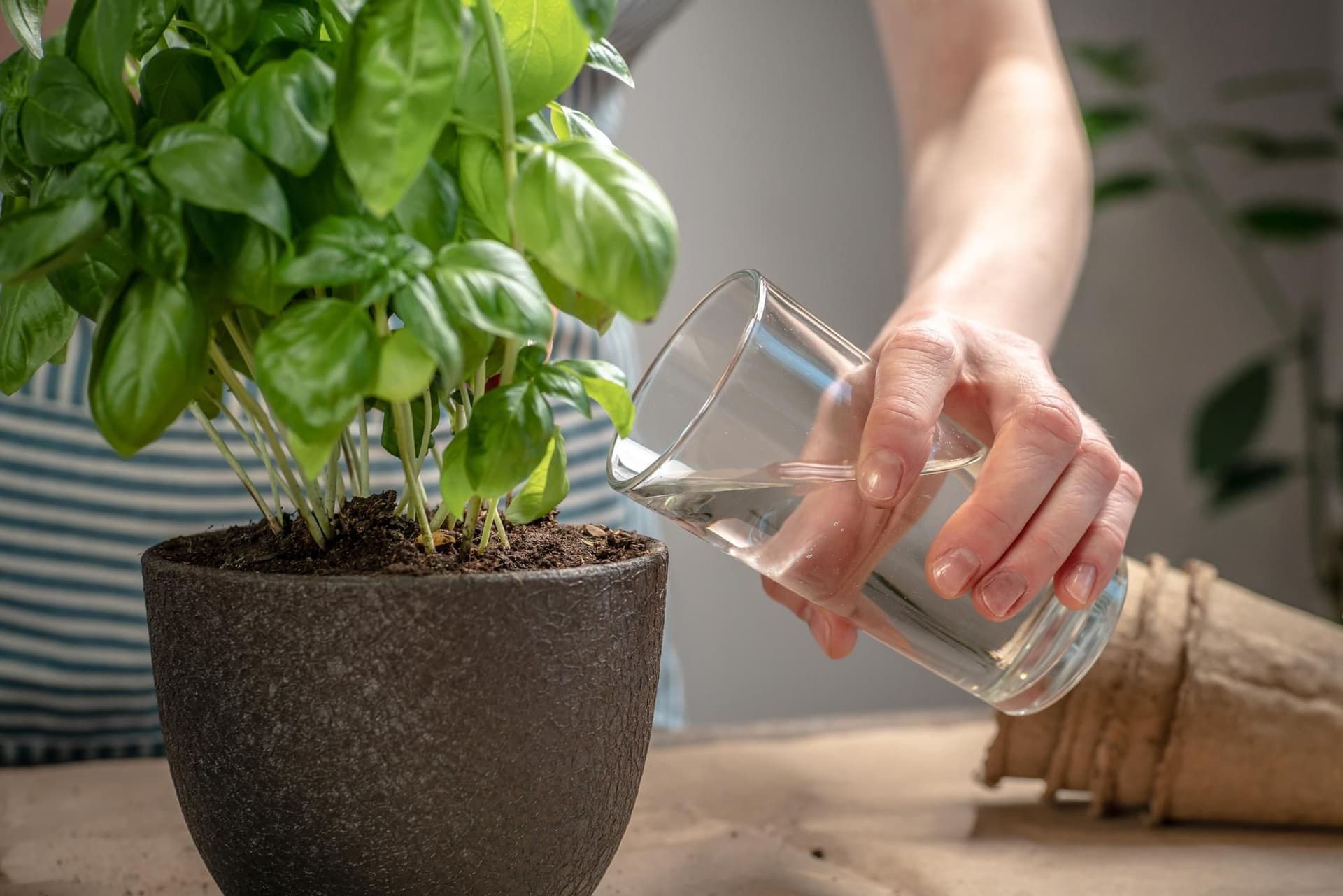
Is Sugar Water Good for Plants?
Sugar water may sound like an easy boost, but most rooted plants do not need extra sucrose. This guide explains how green tissues produce carbohydrates, when a sweetened solution can be useful, and why too much can cause problems.
Explore Plants by Care Needs
Identify the plant and problem. Help your plant recover
Identify plant problems early, understand what's wrong, and get clear care guidance. Botan helps you turn guesswork into confident plant care