Support heavy pseudostems
Install a sturdy stake or bamboo pole early and loosely tie the main pseudostem with soft plant ties to prevent toppling once the leaf canopy becomes large or fruit begins to form.

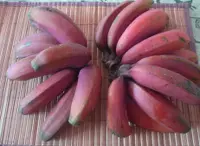
Cavendish banana is a fast-growing tropical herb, not a woody tree, known for its large, paddle-shaped leaves and clumping growth. The cultivated forms are usually seedless and grown for both fruit and ornamental foliage.
Musa acuminata is native to Southeast Asia but is now widely grown in warm regions and as a container plant indoors. It has a vigorous growth habit and appreciates stable warmth, which makes it relatively easy if its basic needs are met.
It prefers bright light, consistent moisture, and fertile, well-drained soil. Understanding how to care for Cavendish banana mainly involves providing warmth, humidity, and protection from cold drafts or prolonged dryness.

Care Difficulty
Moderate Care

Light Preference
Full Sun

Water Requirements
Keep Soil Moist

Temperature Preference
Tropical / Frost Sensitive

Hardiness Zone
9–11

Soil Texture
Loamy, Sandy, Organic-rich

Soil pH
Acidic (5.5–6.5), Slightly acidic (6.5–7.0)

Soil Drainage
Moist but well-drained

Fertilization
Heavy (weekly, diluted)
Scan your plant to receive care tips personalized for your specific plant
Available on iOS and Android
This plant needs strong, consistent light to produce healthy foliage and fruit.
This species prefers evenly moist but not waterlogged soil throughout the growing season.
This banana is a tropical plant that grows best in warm, stable temperatures.
This species prefers consistently high humidity to support large, tender leaves.
This banana needs deep, moisture-retentive yet fast-draining soil to support rapid growth and large foliage.
This species is suitable for container growing when the pot is chosen to match its fast root expansion and tall, heavy canopy.
Musa acuminata is a fast-growing, heavy feeder that responds well to consistent, moderate nutrition.
Musa acuminata benefits from light, targeted pruning to maintain vigor and neat form.
Container-grown Musa acuminata needs periodic repotting or transplanting to support its rapid root growth.
Musa acuminata is most commonly propagated by division of basal suckers, known as pups.
Musa acuminata is frost-sensitive and needs clear winter protection in regions with cold temperatures.

Plant Health Check
Not sure what's wrong with your plant? Check your plant's health inside the app.
Most cultivated forms of this species are triploid, meaning they have three sets of chromosomes, which makes the fruits seedless and improves eating quality compared with wild, seedy bananas.
This species, together with Musa balbisiana, is one of the two main wild ancestors that gave rise to nearly all modern edible banana cultivars through natural and human-selected hybridization.
Archaeobotanical evidence indicates that this species was among the earliest domesticated plants in New Guinea and nearby regions, with cultivation dating back several thousand years.

In the wild, certain subspecies of this plant form large clonal stands where new shoots (suckers) continually replace older stems, allowing a single genetic individual to persist for many decades even though each flowering stem dies after fruiting.
Leaf edge browning usually comes from underwatering, low humidity, excess fertilizer salts, or cold drafts. Check soil moisture, raise humidity, flush the pot occasionally, and keep it away from temperatures below about 55°F and direct heating vents.
Keep your plants happy and healthy with plant identification, disease detection, and easy care guidance.