Early structural pruning
In the first 2–3 years, selectively remove crossing or steeply upright branches to establish a strong single leader and wide branch angles that better support the heavy gourds later on.

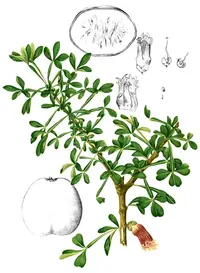
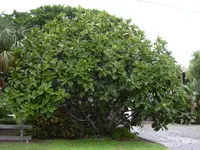
Morrito (Crescentia alata) is a small to medium tree from the dry tropical forests of Central America and parts of Mexico. It is related to the calabash tree. The plant has a spreading crown, thick, often twisted branches, and small clustered leaves, with hard, rounded green fruits that resemble gourds. In warm climates it is grown as an ornamental and sometimes as a shade or patio tree. Crescentia alata prefers strong light, warmth, and well-drained soil, so it is not suitable for cool or low-light homes. These needs make care for morrito more demanding than for common indoor houseplants.

Care Difficulty
Moderate Care

Light Preference
Full Sun

Water Requirements
Moderate Water

Temperature Preference
Tropical / Frost Sensitive

Hardiness Zone
10–12

Soil Texture
Sandy, Loamy, Organic-rich

Soil pH
Slightly acidic (6.5–7.0), Neutral (7.0)

Soil Drainage
Well-drained

Fertilization
Minimal (feed rarely)
Scan your plant to receive care tips personalized for your specific plant
Available on iOS and Android
This dry-tolerant tree thrives in strong light but benefits from some protection from intense afternoon sun.
This species prefers deep, infrequent watering and soil that dries slightly between waterings once established.
This tropical tree prefers warm, frost-free conditions and slows growth in cooler weather.
This species handles a wide range of humidity but grows best with moderate ambient moisture.
Crescentia alata prefers a lean, well-aerated mineral soil that drains quickly yet does not become bone-dry instantly.
This tree can be grown in containers, especially in its juvenile stage or in warm patios where ground planting is limited.
Crescentia alata grows reasonably well in lean soil but responds to modest, balanced feeding in containers or depleted ground.
Pruning Crescentia alata helps manage size, structure, and light penetration while removing weak growth.
This species is most often grown in the ground, so focus on careful transplanting rather than frequent container repotting.
Crescentia alata is usually propagated from seed, with cuttings used less often for specific selections.
This tropical tree is frost sensitive and needs protection in regions with cold winters.

Plant Health Check
Not sure what's wrong with your plant? Check your plant's health inside the app.
The woody fruits of this tree are spherical, smooth, and very hard, forming directly on the trunk and main branches, a growth pattern called cauliflory. These tough shells protect the many small seeds inside from most herbivores until the fruits fall and break down.
C. alata flowers open at night, produce a strong scent, and offer abundant nectar that attracts nectar-feeding bats such as Glossophaga species. These bats act as the primary pollinators, transferring pollen as they visit multiple trees during nocturnal foraging.
This species is native to seasonally dry tropical forests from Mexico to Central America and tolerates months-long dry seasons. Its small, often clustered leaves and thick stems help reduce water loss and allow the tree to survive extended drought.

Archaeological and ethnobotanical studies indicate that humans in Mesoamerica have used the hard shells of Crescentia alata fruits for centuries to make traditional cups, bowls, and musical instruments, and in some regions the tree is still planted specifically as a long-term source of these durable containers.
This species grows moderately fast in warm climates, often adding 30–60 cm of height per year when young. Growth slows once the canopy and framework branches are established, especially if planted in marginal conditions or confined root spaces.
Keep your plants happy and healthy with plant identification, disease detection, and easy care guidance.