
Early structural training
Select a single strong leader stem in young trees and remove competing upright shoots over 2–3 seasons to form a stable central framework that resists wind damage later.


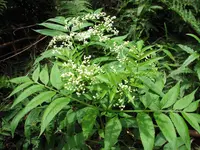
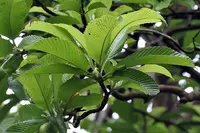
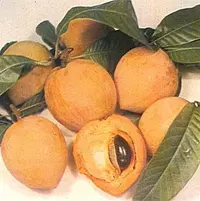
Anacardium spruceanum is a tropical tree in the cashew family, valued mainly in its native Amazon basin for timber and local fruit use. It typically grows with a straight trunk, a rounded to spreading crown, and simple, leathery leaves that give it a dense, shaded appearance.
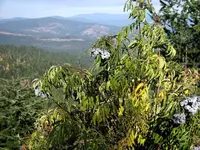
In the wild it occurs in lowland rainforests of South America, usually in warm, humid areas with high rainfall. It is not commonly grown as a houseplant, and its large size and need for consistent warmth and moisture make it better suited to spacious gardens in frost-free climates.
Those interested in how to care for Anacardium spruceanum should know it prefers bright light, evenly moist but well-drained soil, and protection from cold or prolonged drought.

Care Difficulty
Moderate Care

Light Preference
Full Sun

Water Requirements
Moderate Water

Temperature Preference
Tropical / Frost Sensitive

Hardiness Zone
11–12

Soil Texture
Sandy, Loamy, Organic-rich

Soil pH
Acidic (5.5–6.5), Slightly acidic (6.5–7.0)

Soil Drainage
Moist but well-drained

Fertilization
Minimal (feed rarely)
Scan your plant to receive care tips personalized for your specific plant
Available on iOS and Android
This species prefers bright, warm conditions that mimic open tropical forest edges.
This tree prefers consistently moist, well‑drained soil rather than alternating extremes of wet and dry.
This species performs best in warm, frost‑free tropical to subtropical climates.
This species prefers moderately humid air but tolerates brief drier periods if roots are well hydrated.
Anacardium spruceanum grows best in deep, well-aerated, slightly acidic to neutral mineral-organic substrates.
This tree can be grown in containers when young or maintained compact with pruning, though size limits long-term pot culture.
This tropical tree grows in relatively poor soils and usually needs only light, targeted feeding in cultivation.
Pruning is mainly used to maintain structure and remove problem wood rather than for heavy size control in Anacardium spruceanum.
This species is usually grown in the ground, so transplanting young trees correctly is more important than frequent repotting.
Anacardium spruceanum is most reliably propagated from fresh seed under warm, consistently moist conditions.
This tropical tree is frost-sensitive and needs protection or a consistently warm climate to overwinter well.

Plant Health Check
Not sure what's wrong with your plant? Check your plant's health inside the app.
This species naturally occurs along seasonally flooded Amazonian rivers, where its roots tolerate periods of inundation followed by drier conditions on well‑drained, sandy or alluvial soils.
It belongs to the same genus as the cultivated cashew (Anacardium occidentale) and produces small, cashew‑like nuts that are important food resources for local wildlife rather than for large‑scale human use.
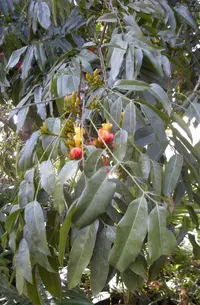
Its small, nectar‑bearing flowers support diverse insect pollinators, and the fleshy, pseudo‑fruit structures that develop later are eaten and dispersed by birds and mammals in lowland Amazon forests.

This tree has been recorded under several different synonyms in botanical literature, and its taxonomy has been clarified only through detailed herbarium work and field observations in western Amazonia, highlighting how difficult it can be to distinguish closely related Anacardium species in dense rainforest habitats.
This species has a moderate growth rate, adding noticeable height and trunk thickness each year in warm, frost-free climates. In less ideal conditions, growth slows significantly. Balanced nutrition and consistent moisture are key to growing Anacardium spruceanum well.
Keep your plants happy and healthy with plant identification, disease detection, and easy care guidance.