Establish a nurse crop
In windy or exposed sites, plant a temporary windbreak of fast-growing shrubs or grasses on the windward side to reduce stress and stem breakage during the first 2–3 years.

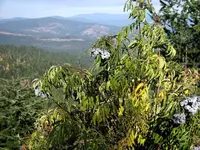
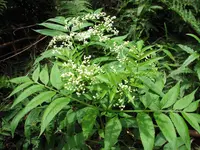
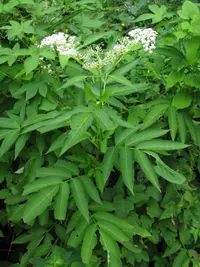
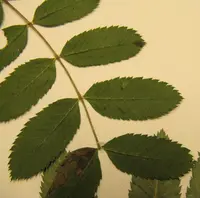
Blue elderberry (Sambucus cerulea) is a deciduous shrub or small tree known for its bluish-gray berry clusters and soft, pinnate foliage. It typically forms a loose, multi-stemmed shape that fits well in naturalistic or wildlife-friendly plantings.
This species is native to western North America, where it commonly grows along streams, slopes, and open woodlands. Once established, it is relatively resilient and can tolerate seasonal drought, which makes it easier to maintain in many gardens.
Those who want to care for Blue elderberry should note its preference for full sun to light shade, with moist but well-drained soil to support healthy growth and fruiting.

Care Difficulty
Easy Care

Light Preference
Full Sun

Water Requirements
Moderate Water

Temperature Preference
Cold Hardy

Hardiness Zone
4–8

Soil Texture
Sandy, Loamy, Clay

Soil pH
Slightly acidic (6.5–7.0), Neutral (7.0)

Soil Drainage
Moist but well-drained

Fertilization
Minimal (feed rarely)
Scan your plant to receive care tips personalized for your specific plant
Available on iOS and Android
This sun-loving shrub fruits and flowers best with strong, direct light exposure.
This shrub prefers steady soil moisture but reacts poorly to both drought and waterlogged soil.
This hardy species adapts to a wide climate range but grows fastest in moderate temperatures.
This species tolerates a wide humidity range and usually does not need special humidity management outdoors.
This shrub prefers deep, moisture-retentive but well-drained loam to support strong growth and fruiting.
This species can be grown in containers, although long-term cultivation is more demanding than in open ground.
Sambucus cerulea is a modest feeder but responds well to light nutrition in poor or depleted soils.
Pruning helps maintain Sambucus cerulea structure, encourage flowering, and remove weak growth.
This species is usually grown in the ground, so focus on careful transplanting rather than frequent repotting.
Sambucus cerulea is commonly propagated from cuttings and sometimes from seed for larger projects.
This shrub is quite cold hardy and usually needs minimal winter care in most temperate climates.

Plant Health Check
Not sure what's wrong with your plant? Check your plant's health inside the app.
The fruits develop a distinctive bluish color because a waxy coating (glaucous bloom) covers otherwise dark berries, which helps reduce water loss and may protect from intense sunlight in its dry native habitats.
This species is native to western North America and is particularly associated with dry slopes, canyon edges, and open montane habitats, where it tolerates higher light and lower summer moisture than many other elderberries.
Its dense branching provides nesting cover while flowers supply nectar and pollen for insects, and the summer berries are an important seasonal food source for many songbirds, small mammals, and even bears in some regions.
Sambucus cerulea is often considered part of a species complex with the Eurasian Sambucus nigra, and some botanists treat it as Sambucus nigra subsp. cerulea because of strong genetic and morphological similarities despite its distinct blue, wax-coated fruit.
This shrub grows moderately fast, often adding 30–60 cm per year once established. Growth is quickest in its first 5–10 years, especially with consistent moisture, full sun, and reasonably fertile, well‑drained soil.
Keep your plants happy and healthy with plant identification, disease detection, and easy care guidance.