Succession Sowing
Sow small batches every 1–2 weeks rather than one large planting to keep a steady harvest of tender leaves and avoid an entire crop bolting at once.

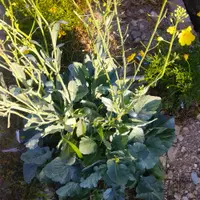
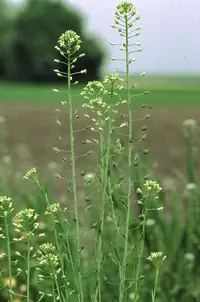
Field mustard, Brassica rapa, is a fast-growing annual in the mustard family, often grown as a leafy green, cover crop, or forage plant. It forms upright stems with bright yellow flowers and soft green leaves that can vary from smooth to slightly crinkled.
The species is native to Eurasia but is now naturalized in many temperate regions, including much of North America. It is generally considered easy to grow, as it tolerates cool weather and a range of soils, though it prefers full sun and evenly moist, well-drained ground.
Gardeners who want to learn how to care for field mustard usually focus on providing consistent moisture and preventing it from going to seed too early in warm conditions.

Care Difficulty
Moderate Care

Light Preference
Full Sun

Water Requirements
Regular Water

Temperature Preference
Cool Climate

Hardiness Zone
2–11

Soil Texture
Sandy, Loamy, Silty

Soil pH
Acidic (5.5–6.5), Slightly acidic (6.5–7.0)

Soil Drainage
Moist but well-drained

Fertilization
Moderate (every 2–4 weeks)
Scan your plant to receive care tips personalized for your specific plant
Available on iOS and Android
Brassica rapa grows best in full sun but can tolerate some light shade, especially in warmer regions.
These plants need steady soil moisture without staying waterlogged to produce tender foliage and quality roots.
This cool-season crop prefers moderate temperatures and declines in strong heat or hard frost.
Humidity is rarely critical for Brassica rapa, which grows well in typical outdoor air levels.
Brassica rapa prefers loose, fertile, well-drained soil that holds moisture without becoming waterlogged.
This species is well suited to container growing for greens and small roots.
Brassica rapa benefits from moderate, consistent nutrition during its fast growth phase.
Pruning Brassica rapa is light and mainly functional, aimed at plant health and harvest quality.
Brassica rapa is usually transplanted rather than long-term potted, so focus on gentle movement from seed tray to bed.
Propagation of Brassica rapa is typically done from seed, as this is reliable and fast.
Brassica rapa is cool-season and moderately frost tolerant, so winter care depends on climate severity.

Plant Health Check
Not sure what's wrong with your plant? Check your plant's health inside the app.
Brassica rapa includes diverse crops such as turnip, pak choi, napa cabbage, komatsuna, and several oilseed types, all derived from one highly variable species through selective breeding.
Its genome shows clear traces of ancient whole‑genome triplication, followed by extensive gene loss and rearrangement, which has made B. rapa a model species for studying polyploidy and genome evolution in crops.
Brassica rapa is one of the parental species in the Triangle of U, where it hybridized with other Brassica species to give rise to important crops such as Brassica napus (oilseed rape/canola) and Brassica juncea (mustard greens).

Wild and feral Brassica rapa populations are important early-season nectar and pollen sources for pollinators, including honeybees and native bees, in many temperate agricultural landscapes, often filling a floral gap before other major crops bloom.
All above-ground parts are edible, especially young leaves, tender stems, flower buds, and seeds, which are used for oil and condiments. Always confirm correct identification and avoid plants exposed to pesticides, roadside pollution, or contaminated soil.
Keep your plants happy and healthy with plant identification, disease detection, and easy care guidance.