lacquered bracket Care (Ganoderma lucidum)

lacquered bracket

About lacquered bracket

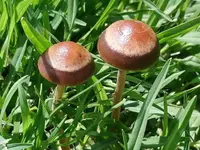
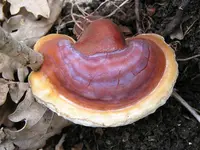
Lacquered bracket, Ganoderma lucidum, is a woody bracket fungus rather than a leafy houseplant. It forms hard, shelf-like fruiting bodies with a shiny, varnished surface in shades of red, brown, or orange. The underside is pale and porous, releasing spores.

In nature it grows on decaying hardwood logs and stumps in warm temperate and subtropical forests, helping break down dead wood. It is slow-growing and requires specific conditions, so it is not an easy beginner project. To care for lacquered bracket successfully, growers usually provide stable moisture, indirect light, and a clean, woody substrate.

This species is often cultivated for ornamental, research, or mushroom-production purposes rather than as a typical indoor décor plant.

Main Plant Requirements

Care Difficulty

Moderate Care

Light Preference

Partial Shade

Water Requirements

Keep Soil Moist

Temperature Preference

Warm Climate

Hardiness Zone

Unknown

Soil Texture

Loamy, Peaty, Organic-rich

Soil pH

Acidic (5.5–6.5), Slightly acidic (6.5–7.0)

Soil Drainage

Moist but well-drained

Fertilization

Minimal (feed rarely)

Get Personalized Care Plan

Scan your plant to receive care tips personalized for your specific plant

Available on iOS and Android

How to Care for the lacquered bracket

This wood-decay fungus prefers low to moderate light similar to a shaded forest floor.

  • Provide bright shade or dappled light with 1–3 hours of gentle morning sun; avoid strong midday or afternoon sun that can dry substrates quickly.
  • Ganoderma lucidum grows best in locations with consistent indirect light; deep shade slows fruiting and produces thin, pale brackets.
  • Outdoors, position lacquered bracket on the north or east side of logs or stumps so surrounding vegetation filters seasonal sun exposure.

Moist, not waterlogged, conditions are essential for reliable fruiting.

  • Keep the growing substrate or log consistently damp; allow only the surface 1–2 cm to start drying before rewetting with a fine spray or soak.
  • Use free-draining yet moisture-retentive materials (hardwood logs, sawdust blocks) so excess water can drain away, reducing risk of rot and sour odors from anaerobic conditions.
  • In warm, dry weather, increase misting frequency and watch for shriveling or cracked caps as signs of underwatering, while soggy, foul-smelling substrate indicates overwatering.

Stable, mild temperatures support vigorous mycelial growth and quality fruiting bodies.

  • Optimal growth and fruiting occur around 70–82°F (21–28°C), with many strains initiating fruiting after a slightly cooler phase near 60–68°F (16–20°C).
  • Most cultures tolerate short drops to about 40°F (4°C), but repeated frost or freezing damages mycelium and can stop Ganoderma lucidum production on logs.
  • High heat above 86–90°F (30–32°C), especially with low humidity, stresses the fungus, so provide shade and extra moisture during hot, dry periods to moderate temperature swings.

This fungus needs sustained high humidity to form healthy fruiting bodies in cultivation.

  • Maintain 85–95% humidity around developing brackets using a humidifier, misting system, or closed grow tent.
  • Lacquered bracket shows humidity stress as cracked, pale, or stalled caps and tough, shrunken margins.
  • Dry household air below 60% quickly dehydrates tissues, so enclose the substrate and monitor with a hygrometer.
  • Increase humidity by covering containers with perforated plastic, adding moist perlite trays, and reducing strong air drafts.

This species does not grow in typical potting soil and instead needs a structured, woody substrate.

  • Use hardwood sawdust or fine wood chips mixed with 10–30% wheat bran or similar supplement for nutrition and structure.
  • Ensure the substrate drains free water yet stays evenly moist; excess standing water causes anaerobic (oxygen-poor) conditions and contamination.
  • Keep pH slightly acidic to neutral, around 5.5–7.0, by using untreated hardwood material and avoiding alkaline amendments.
  • Pack the Ganoderma lucidum substrate firmly but not compressed, leaving small air spaces, and drill side holes in bags or buckets to improve aeration and fruiting.

This species adapts well to container cultivation on prepared substrate rather than garden soil.

  • Choose rigid plastic buckets or tubs that support the substrate’s weight and prevent deformation as the mycelium binds the material.
  • Drill multiple small holes around the sides, not just the base, to let carbon dioxide escape and keep the substrate evenly aerated.
  • Leave a headspace gap between substrate surface and lid so developing brackets have room to expand without deforming.

Ganoderma lucidum grown on logs or sawdust usually needs minimal feeding because the substrate supplies most nutrients for the lacquered bracket.

  • For indoor bags or blocks, enrich the substrate before inoculation with well-rotted compost or a balanced 10-10-10 mix at low rates.
  • During active growth, apply a very weak liquid balanced NPK solution (about 25% strength) no more than every 4–6 weeks.
  • Avoid feeding during dormancy or after fruiting has finished, as the fungus is metabolically less active and excess salts may build up.

Pruning Ganoderma lucidum focuses on hygiene and spacing rather than shaping.

  • Best timing is during or just after the main flush when fruiting bodies are fully formed but before heavy decay sets in.
  • Cut away dead, rotting, or deformed brackets with a clean, sharp knife to reduce mold and bacterial growth on the culture surface.
  • Remove crowded or overlapping brackets if air circulation is poor, which limits moisture trapping and reduces secondary infections.
  • Disinfect cutting tools before and after use with alcohol to prevent transferring contaminants between substrates.

Ganoderma lucidum is usually grown on logs or prepared substrate blocks, so transplanting is rare and mainly done to optimize conditions.

  • Move colonized logs or blocks only when mycelium is well established and growth slows due to poor light, airflow, or humidity, not root binding.
  • Best timing is between flushes, avoiding disturbance while new fruiting bodies are forming.
  • Shift blocks gently to a slightly larger tray or rack area, keeping the substrate intact to reduce mycelial stress.
  • After moving, maintain stable humidity and avoid strong drafts or direct sun for several days to allow the colony to re-establish.

Propagation of Ganoderma lucidum is usually done through spores or tissue culture rather than conventional plant cuttings.

  • Collect spores from mature brackets in late season on sterile foil or paper, then store cool and dry before use.
  • Sow spores or apply grain spawn onto a pasteurized or sterilized sawdust-based substrate with 60–65% moisture.
  • Keep the inoculated substrate in darkness or low light at 70–80°F with high humidity to encourage rapid mycelial colonization.
  • For reliable results, many growers use commercial spawn produced under laboratory conditions rather than home spore culture.

Outdoor Ganoderma lucidum cultures have moderate cold tolerance but fruiting slows or stops in winter and need simple protection in colder regions.

  • In climates below about 25°F, insulate log or block bases with 5–8 cm of straw or wood mulch to buffer temperature swings.
  • Keep substrate slightly moist but not saturated, as cold waterlogged conditions increase rot and competing fungi.
  • Move container or bag cultures into a cool, frost-free shed or garage where temperatures stay roughly 35–50°F.

Care Tips

Use sterile substrate

Pressure-sterilize hardwood sawdust or supplemented blocks at 15 psi for 90–120 minutes to minimize contamination before inoculating with spawn.

Control CO₂ levels

During fruiting, vent the growing space several times a day or use a small fan on low to prevent thick, deformed antlers caused by excessive CO₂ buildup.

Manage fruiting humidity

Maintain 85–95% humidity with fine misting or a humidifier, but always allow surfaces to dry slightly between cycles to reduce bacterial blotch on the caps.

Staggered harvest timing

Harvest brackets just after the white growth margin narrows and before heavy spore drop, then dry them at 95–110°F with good airflow for consistent medicinal quality.

Dedicated clean zone

Set up a simple clean area with wiped-down smooth surfaces, limited air drafts, and separate tools for inoculation work to improve success when growing lacquered bracket at home.

Common Pests and Diseases

Green mold (Trichoderma)

This disease appears as fast-spreading green patches on the substrate or directly on the forming conks, competing strongly with the mushroom mycelium and reducing yield.

Solution

Remove and discard heavily contaminated blocks, then increase fresh air exchange and lower humidity slightly to slow Trichoderma growth. Sterilize or thoroughly disinfect growing containers and tools, tighten hygiene during spawning, and consider starting new cultures from clean spawn when contamination is severe; this is central to Ganoderma lucidum plant care in small-scale cultivation setups.

Bacterial blotch

This disease causes water-soaked, greasy-looking spots on the fruiting bodies, which may turn yellow-brown and soften in persistently wet conditions.

Solution

Improve air circulation and avoid direct water pooling on conks by using fine misting rather than heavy spraying. Remove badly affected fruiting bodies, reduce humidity to the lower end of the recommended range for short periods, and keep surfaces and tools clean to limit spread.

Mite infestation

These insects feed on mycelium and developing fruiting bodies, leading to pitted, deformed, or slowed growth and sometimes visible tiny moving dots on the substrate or mushrooms.

Solution

Isolate affected blocks, remove and discard badly damaged material, and clean the growing area thoroughly, including racks and corners. Improve sanitation, use fine mesh on vents to exclude incoming mites, and where allowed, apply a targeted, mushroom-safe miticide or introduce predatory mites sourced from biological control suppliers.

Fungus gnat larvae

This pest develops in moist substrates, where larvae feed on mycelium and fine tissues, causing weak, patchy growth and sometimes small entry holes in young conks.

Solution

Use yellow sticky traps to monitor and reduce adult gnats, and improve drainage or reduce excess surface moisture on the substrate. Seal entry points with fine insect mesh, remove heavily infested blocks, and consider using a biological larvicide containing Bacillus thuringiensis israelensis (Bti) labeled for fungus gnat control in mushroom or indoor growing systems.

Black mold (Aspergillus, Penicillium)

This disease shows as dark green to black or blue-green powdery patches on spent or poorly sterilized substrate, often following high humidity and poor airflow.

Solution

Discard contaminated substrate blocks promptly and avoid opening them indoors to prevent spore spread. Clean the grow space with appropriate disinfectants, improve air exchange and humidity control, and ensure proper sterilization or pasteurization of new substrate before inoculation to prevent recurrence when trying to grow Ganoderma lucidum.

Interesting Facts

Highly varnished surface

Mature fruiting bodies develop a naturally lacquered, glossy surface due to layers of pigmented polysaccharides and other compounds that harden as they dry, giving the cap its distinctive shiny appearance that inspired the common name lacquered bracket.

Wood decay specialist

This species is a white-rot fungus that breaks down lignin in hardwoods, leaving a pale, fibrous residue and playing an important role in nutrient recycling in temperate and subtropical forests.

Long-lived fruiting bodies

Individual brackets can persist on the same log or stump for several months and sometimes through multiple seasons, gradually adding new growth zones that form visible concentric rings on the upper surface.

Botan icon

Did you know?

In traditional East Asian art and symbolism, the characteristic antler-like or fan-shaped fruiting bodies of this species have been depicted for centuries as an emblem of longevity and auspicious fortune, leading to its frequent appearance in classical paintings, carvings, and decorative objects.

FAQs about lacquered bracket

The fruiting body is technically edible but extremely tough and woody, so it is not eaten as food. Instead, it is usually dried and simmered to make teas, extracts, or medicinal preparations.

Grow Healthy Plants with Botan Care

Keep your plants happy and healthy with plant identification, disease detection, and easy care guidance.

Botan plant care app — identify plants on mobile

Explore More Plants