Ziziphus incurva Care

Ziziphus incurva

About Ziziphus incurva

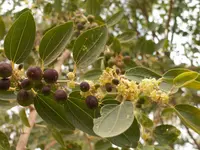
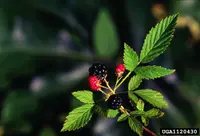
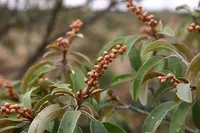
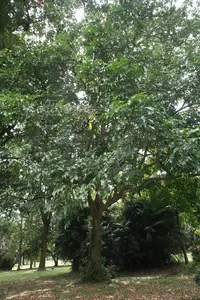
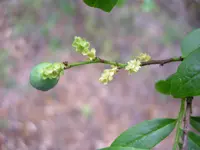
Ziziphus incurva is a deciduous shrub or small tree known from montane regions of the Himalayas. It forms a rounded crown with thorny branches and simple, glossy leaves. Small yellowish flowers are followed by fleshy drupes that resemble other jujubes, often used locally as a minor fruit resource. In the wild it typically grows on open slopes, forest edges, and dry hillsides, showing good tolerance to sun, wind, and seasonal drought. This species is generally hardy but needs space, strong light, and well-drained soil, so it is not suited to very small gardens or containers. Basic knowledge of how to care for Ziziphus incurva helps growers match its needs to similar dry, sunny sites.

Main Plant Requirements

Care Difficulty

Moderate Care

Light Preference

Full Sun

Water Requirements

Moderate Water

Temperature Preference

Warm Climate

Hardiness Zone

9–11

Soil Texture

Sandy, Loamy, Rocky

Soil pH

Slightly acidic (6.5–7.0), Neutral (7.0)

Soil Drainage

Well-drained

Fertilization

Minimal (feed rarely)

Get Personalized Care Plan

Scan your plant to receive care tips personalized for your specific plant

Available on iOS and Android

How to Care for the Ziziphus incurva

This mountain jujube prefers strong light and benefits from full sun in most climates.

  • Provide 6–8 hours of direct sun daily; full exposure suits cool to warm temperate areas, while hot inland sites benefit from morning sun with light afternoon shade.
  • Young trees handle light or partial shade, but growth and fruiting decline if they receive less than about 4 hours of direct sun.
  • In very hot summers, protect from intense late-afternoon sun to reduce leaf scorch and moisture stress, especially on shallow or rocky soils.

This species prefers deep, infrequent watering once established, with a clear dry-down between waterings.

  • Allow the top 5–8 cm of soil to dry before watering; use a slow, deep soak so moisture reaches 20–30 cm depth rather than frequent light sprinkles.
  • During the first 1–2 growing seasons, water more often in dry periods, then reduce once roots are established and rainfall can cover most needs.
  • Yellowing, soft leaves and persistent wet soil indicate overwatering and poor drainage, while dull, curling leaves and early leaf drop point to drought stress.

This hardy tree tolerates a broad climate range but performs best with warm summers and cool, frost-free springs during active growth.

  • Optimal growing temperatures are about 70–90°F (21–32°C), with warm days and cooler nights supporting steady shoot and fruit development.
  • Mature plants often survive brief drops to 20–25°F (-6 to -4°C), but young Ziziphus incurva can be damaged below 28°F (-2°C) and benefit from frost protection.
  • In hot regions, trees handle 95–100°F (35–38°C) if soil moisture is adequate, but heatwaves above this can cause leaf scorch, so mulch and avoid heat-reflecting surfaces nearby.

This species tolerates a wide humidity range and rarely needs special humidity management.

  • Aim for ambient outdoor humidity around 30–60%, as long as soil moisture is appropriate.
  • Leaves may curl, brown at the tips, or drop prematurely under very dry air combined with drought.
  • If grown in a hot, arid site, group plants, mulch the root zone, and provide occasional wind protection to reduce transpiration stress.

Ziziphus incurva prefers well-drained, moderately fertile, slightly sandy to loamy soil.

  • Use a mix such as 50–60% loam, 20–30% coarse sand, and 10–20% well-rotted compost to balance drainage and nutrient supply.
  • Keep pH roughly neutral to slightly alkaline (about 6.5–8.0), avoiding strongly acidic conditions that limit nutrient availability.
  • Improve aeration and drainage in heavy clay by incorporating coarse sand, fine gravel, or perlite into the top 20–30 cm.
  • Avoid waterlogged sites, compacted ground, or low spots where runoff accumulates, as persistent saturation increases root disease risk.

This species can be grown in large containers if given enough root space and stability.

  • Select a deep, heavy container to support the woody root system and prevent the plant from tipping in strong winds.
  • Use a sharply draining mix, such as loam with coarse sand and fine gravel, to keep roots aerated between waterings.
  • Place the container on pot feet or blocks so drainage holes remain clear and excess water can escape quickly after rain or irrigation.

This drought-tolerant fruit tree grows reasonably well in average soil but responds to modest, targeted feeding.

  • Apply a balanced granular or slow-release fertilizer (around 8-8-8 to 10-10-10) at light rates once in early spring.
  • Supplement with a thin layer of compost around the drip line to improve soil structure and micronutrients.
  • During active growth, avoid frequent high-nitrogen feeding to prevent weak, overly lush shoots.
  • Stop fertilizing Ziziphus incurva by late summer and do not feed in winter dormancy.

Pruning helps maintain structure, health, and manageable size in Ziziphus incurva.

  • Carry out main pruning in late winter to very early spring, before bud break.
  • Remove dead, diseased, crossing, or inward-growing branches using clean, sharp bypass pruners or loppers.
  • Thin crowded interior shoots to improve light penetration and air flow, which supports fruiting wood.
  • Shorten excessively long branches to shape the canopy and reduce the risk of limb breakage.

This species is usually grown in the ground; focus on careful transplanting of young trees rather than frequent repotting.

  • Plan transplanting for late winter or early spring while the tree is dormant to limit stress.
  • Look for signs such as poor vigor, restricted root growth, or roots circling a container before moving a plant.
  • Dig a wide planting hole, keep as much of the root ball intact as possible, and set it at the same soil depth.
  • Water thoroughly after planting, then keep soil evenly moist and shade the canopy lightly for 1–2 weeks to aid recovery.

Propagation of Ziziphus incurva is usually done from seed or semi-hardwood cuttings under controlled conditions.

  • Collect fully ripe fruits, clean the seeds, and stratify if recommended by the seed supplier or local extension service.
  • Sow seeds in a free-draining mix kept just moist and warm, around 70–80°F, for several weeks to months.
  • Take semi-hardwood cuttings in late summer, use a rooting hormone, and place in a well-aerated medium under high humidity.
  • Provide bright, indirect light and bottom warmth if possible, and pot on only once roots are well established.

This deciduous tree is moderately cold hardy but young or container-grown plants benefit from some winter attention.

  • In colder regions, apply a 5–8 cm mulch layer around the root zone, keeping it slightly away from the trunk.
  • For container plants, move pots into a sheltered, unheated but frost-sheltered spot with good light.
  • Avoid winter overwatering; keep soil barely moist so roots do not sit in cold, saturated conditions.

Care Tips

Use structural staking

Install sturdy wooden or metal stakes early and tie young shoots with soft ties in a loose figure-eight, so the developing framework stays upright and wind-resistant without cutting into the bark.

Encourage deep rooting

During the first 2–3 years, give fewer but heavier soakings and lightly cultivate the top 3–5 cm of soil around the drip line to reduce surface compaction and promote deep, drought-resilient roots.

Manage thorn exposure

When working around the plant, use thick gloves and long sleeves, and selectively remove only the lowest, most hazardous thorny side shoots to improve access without weakening the main structure.

Time formative pruning

Carry out structural pruning while the tree is dormant and before strong spring growth, focusing on removing crossing branches and opening the canopy so that fruiting wood receives good light and airflow.

Monitor fruit set

Once flowering begins, observe fruit set over 2–3 seasons and, if crops stay light, consider planting a second compatible Ziziphus nearby to improve cross-pollination when caring for Ziziphus incurva.

Common Pests and Diseases

Fruit borer

This pest tunnels into developing fruits, causing internal feeding damage, premature fruit drop, and deformed or shriveled jujubes.

Solution

Remove and destroy infested fruits as soon as damage is noticed, collect dropped fruit from the ground, and prune after harvest to reduce hiding sites; if needed, use targeted fruit-borer biological or low-toxicity insecticide sprays timed to early fruit set, following local extension advice for Ziziphus incurva care instructions.

Leaf folder

These insects fold or roll leaves and feed inside the shelter, leading to distorted foliage, reduced leaf area, and slower growth in young trees.

Solution

Hand-pick and destroy folded leaves containing larvae, encourage natural predators by avoiding broad-spectrum insecticides, and maintain good tree vigor with appropriate watering and pruning to help the plant outgrow moderate damage; if infestations persist, apply a selective biological insecticide such as Bacillus thuringiensis to young larvae on foliage.

Jujube weevil

This pest attacks both foliage and fruits, with adults feeding on leaves and larvae boring into fruits or seeds, which reduces yield and marketable quality.

Solution

Collect and destroy infested fruits and leaf litter after harvest, shake branches to dislodge adult weevils in the early morning and dispose of them, and use trunk banding or sticky traps to intercept climbing adults; in high-pressure areas, coordinate with local growers on timing of targeted insecticide or biological treatments.

Powdery mildew

This disease produces white, powdery fungal growth on young leaves, shoots, and sometimes fruits, which can cause leaf curling, yellowing, and reduced vigor.

Solution

Improve air circulation by pruning crowded branches and avoiding overhead watering, remove heavily infected leaves or shoots, and apply a sulfur-based or potassium bicarbonate fungicide at the first sign of symptoms, repeating as directed during warm, dry conditions that favor the fungus.

Leaf spot

Symptoms include small brown to dark lesions on leaves that may merge into larger patches, leading to premature leaf drop in humid or rainy periods.

Solution

Rake and dispose of fallen leaves to reduce fungal spores, avoid wetting foliage when irrigating, and thin the canopy to increase airflow; during wet seasons or repeated outbreaks, use a copper-based or other labeled fungicide at intervals recommended on the product label to protect new growth.

Interesting Facts

Eastern Himalayan native

This species is naturally distributed in the mid‑hill zones of Nepal and adjoining parts of the eastern Himalayas, where it grows in seasonally dry, subtropical conditions on slopes and field margins.

Distinctly recurved leaves

The specific epithet incurva refers to its characteristically curved or slightly in‑rolled leaf blades, a feature that helps distinguish it from related Ziziphus species in the same region.

Wild fruit for wildlife

Its small drupes are eaten by local birds and small mammals in its native range, contributing to seed dispersal and the maintenance of mixed woodland and scrub communities.

Botan icon

Did you know?

In rural parts of Nepal, this wild jujube is often retained when fields are cleared, since its dense branching can be managed as a living fence and light shade tree along terraces and paths.

FAQs about Ziziphus incurva

It can be grown in large, deep containers if provided full sun, good drainage, and regular pruning. Use a sturdy pot, as the root system becomes strong and woody with age, and refresh potting mix periodically.

Grow Healthy Plants with Botan Care

Keep your plants happy and healthy with plant identification, disease detection, and easy care guidance.

Botan plant care app — identify plants on mobile

Explore More Plants