Christ's thorn Care (Ziziphus spina-christi)

Also known as: Christ's thorn jujube, Lotus of Cyrenaica
Christ's thorn

About Christ's thorn

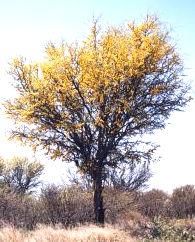
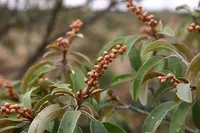
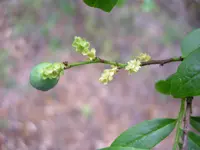
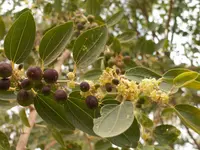
Christ's thorn, Ziziphus spina-christi, is a drought-tolerant, thorny shrub or small tree known for its zigzag branches and small, glossy, oval leaves. It often bears small yellowish flowers followed by edible, date-like fruits. Native to arid and semi-arid regions of the Middle East and North Africa, it naturally forms dense hedges or windbreaks and can reach tree size in the ground. The plant is generally tough and long lived, but the sharp spines and need for strong light make it more suitable for experienced growers. It prefers full sun, well-drained soil, and moderate watering, so understanding how to care for Christ's thorn helps keep it healthy and compact.

Main Plant Requirements

Care Difficulty

Moderate Care

Light Preference

Full Sun

Water Requirements

Low Water

Temperature Preference

Warm Climate

Hardiness Zone

9–11

Soil Texture

Sandy, Loamy, Rocky

Soil pH

Neutral (7.0), Slightly alkaline (7.0–7.5)

Soil Drainage

Well-drained

Fertilization

Minimal (feed rarely)

Get Personalized Care Plan

Scan your plant to receive care tips personalized for your specific plant

Available on iOS and Android

How to Care for the Christ's thorn

This desert-adapted tree thrives in strong sun but can adapt to a range of light exposures.

  • Provide 6–10 hours of direct sun daily; full sun is best for dense growth and heavy flowering of Christ's thorn.
  • Tolerates light partial shade, especially with morning sun and light afternoon shade in very hot, dry climates to reduce leaf scorch.
  • In winter or cooler seasons, ensure at least 5–6 hours of unobstructed sun; sparse foliage and weak shoots indicate insufficient light.

This drought-tolerant species prefers infrequent, deep watering over frequent light applications.

  • In the ground, water only when soil has dried deeply; the top 10–15 cm should feel dry and the tree may show slightly duller leaves before watering.
  • Use sharply draining, sandy or rocky soil; water until it drains through, then allow excess to escape to prevent root rot in Ziziphus spina-christi.
  • Reduce watering in cool seasons when growth slows; yellowing, soft leaves suggest overwatering, while crisp leaf tips and premature leaf drop point to underwatering.

This species is adapted to hot, arid regions and tolerates a wide temperature range once established.

  • Optimal growing temperatures are 77–95°F (25–35°C), with good tolerance up to about 104°F (40°C) if soil is not waterlogged.
  • Mature trees can handle short drops near 23–26°F (-5 to -3°C), but young plants are more tender and may suffer stem damage below 28°F (-2°C).
  • In regions with cold winters, choose the warmest, most sheltered site, since repeated hard frosts and freezing winds can kill new shoots and reduce flowering.

This species tolerates a wide humidity range and usually does not need special humidity management indoors or outdoors.

  • Target 30–50% humidity; Ziziphus spina-christi stays healthy in air that feels comfortable for most homes.
  • Dry indoor air is rarely a problem, but prolonged very dry conditions plus high heat can increase leaf drop.
  • Humidity stress shows as marginal leaf browning and premature yellowing; address it mainly by improving watering rather than misting.

This species prefers mineral, well-drained soil that mimics dry, rocky native habitats.

  • Use a gritty mix such as 50–60% sandy or loamy topsoil blended with 40–50% coarse material like sharp sand, fine gravel, or perlite for structure and drainage.
  • Maintain slightly alkaline to neutral pH, roughly 7.0–8.0, avoiding strongly acidic mixes dominated by peat moss without added lime.
  • For containers, include a small portion of compost or well-rotted manure for nutrients, but keep organic matter modest so the mix does not hold excess water.
  • Avoid heavy clay, compacted ground, or any site where water pools after rain, as poor aeration encourages root decline in Ziziphus spina-christi.

This species can be grown in containers when given a deep, heavy, and very stable pot.

  • Select a container at least 40–50 cm deep so the strong taproot and woody framework roots can anchor without circling tightly near the surface.
  • Use a wide, weighty pot or add stones at the base layer to reduce tipping risk as the top growth becomes woody and asymmetric.
  • Choose thick-walled terracotta or similar porous material to allow gradual moisture loss, which better matches this drought-adapted shrub’s low water demand.

This drought-tolerant tree needs modest feeding, especially in poor soils, when growing Christ's thorn in gardens or containers.

  • Use a balanced slow-release fertilizer (for example 10-10-10) or well-rotted compost worked lightly into the topsoil.
  • Feed once in early spring and again in mid-summer during active growth, avoiding high-nitrogen lawn products.
  • Apply at 1/2 the label rate for container plants and water thoroughly afterward to prevent root burn.
  • Stop feeding in late summer to allow new wood to harden before cooler weather and winter dormancy.

Pruning Ziziphus spina-christi focuses on safety, structure, and light penetration rather than frequent shaping.

  • Carry out main pruning in late winter or very early spring, before new growth begins.
  • Remove dead, diseased, crossing, or inward-growing branches using sharp, clean bypass pruners or a pruning saw.
  • Thin overly dense areas to improve airflow and light, keeping a single strong leader and well-spaced scaffold branches.
  • Shorten dangerously low or outward-thrusting thorny shoots to reduce risk to people and maintain a manageable canopy size.

This species is most often grown in the ground, but young or nursery plants may need careful transplanting or occasional container shifts.

  • Plan transplanting or upsizing for late winter to early spring, when the tree is relatively dormant and temperatures are mild.
  • Look for roots circling the pot, slow growth despite good care, or frequent drying of the soil as cues a container plant needs more space.
  • Move into a container 1–2 in wider with free-draining, sandy loam; disturb and loosen circling roots gently rather than cutting aggressively.
  • Water thoroughly after planting, then keep soil slightly moist for several weeks and shade from strong sun to reduce transplant shock.

Propagation of this tree is usually done by seeds or semi-hardwood cuttings under controlled conditions.

  • Collect ripe fruits, clean the seeds, and use a brief scarification step, such as lightly nicking or sanding the hard seed coat, to improve water uptake.
  • Sow seeds in late winter to early spring in a warm (70–80°F), bright, free-draining mix, keeping it just moist, not wet.
  • Take semi-hardwood cuttings in late spring or early summer, 10–15 cm long, removing lower leaves and dipping the base in rooting hormone.
  • Place cuttings in a sandy, well-aerated medium under high humidity and bright, indirect light until roots form, then harden off gradually.

This warm-climate tree has limited frost tolerance and needs protection in regions with cold winters.

  • In mild climates, apply a 5–8 cm layer of dry mulch around the root zone, keeping it just clear of the trunk base.
  • In areas below about 25°F, wrap young trunks with breathable frost fabric and avoid winter pruning that exposes tender tissue.
  • Grow container plants in large pots and move them indoors or into an unheated but frost-free garage or greenhouse before the first hard freeze.

Care Tips

Wind-shaped training

In windy or exposed sites, gradually prune and stake young shoots on the leeward side so the canopy develops a wind-swept form that is naturally stable and less prone to storm damage over time.

Thorn-safe access

When planting near paths or work areas, orient main branches away from traffic and maintain a clear, thorn-free access corridor for pruning and harvesting by selectively removing inward- or low-facing spurs.

Root-zone protection

Keep a 30–60 cm grass-free mulch ring around the trunk to reduce competition, but pull mulch back 5–8 cm from the bark to prevent rot and discourage rodents from nesting at the base.

Salinity monitoring

In regions with brackish or hard irrigation water, leach the soil deeply 2–3 times per year and check nearby salt-sensitive plants for tip burn as an early indicator that soil salinity is building up.

Fruit-thinning control

If branches set a very heavy crop, remove a portion of small, crowded fruits by hand along each shoot so the remaining fruits size up better and the wood is not stressed or broken by excess weight when growing Christ's thorn.

Common Pests and Diseases

Leaf miner

This pest creates pale, winding tunnels inside the leaves, leading to reduced photosynthesis and early leaf drop on young shoots.

Solution

Remove and destroy mined leaves as soon as damage appears, then use a targeted systemic insecticide or spinosad spray according to label directions on new flushes of growth; in orchards or larger specimens, pheromone or light traps and encouraging beneficial wasps help reduce populations over time.

Scale insects

These insects attach tightly to stems and leaf veins, sucking sap and causing yellowing, reduced vigor, and sticky honeydew that can attract sooty mold.

Solution

Scrape or wipe off visible scales with a soft cloth or brush, prune heavily infested twigs, then apply a horticultural oil spray to thoroughly coat stems and leaf undersides; repeat oil applications 2–3 times at 7–10 day intervals to catch newly hatched crawlers, especially on container plants and Christ's thorn indoor care situations.

Fruit fly

This pest lays eggs in ripening fruits, and larvae feed inside, causing internal breakdown, brown patches, and premature fruit drop.

Solution

Collect and destroy all infested or fallen fruits, use fine mesh bagging or netting around developing fruit clusters, and place species-appropriate bait or pheromone traps around the tree to reduce adult populations before peak fruiting.

Powdery mildew

This disease produces a white, powdery coating on young leaves and shoots, which can cause leaf distortion, reduced growth, and early leaf shedding in humid, shaded conditions.

Solution

Improve air circulation by pruning crowded branches, avoid overhead watering in the evening, and treat early infections with a sulfur-based or potassium bicarbonate fungicide, repeating as directed until new growth appears clean.

Leaf spot

Symptoms include small brown to dark spots on leaves that may merge into larger blotches, sometimes leading to partial defoliation during warm, wet periods.

Solution

Rake and dispose of fallen leaves to reduce inoculum, avoid wetting the foliage, and prune to open the canopy; for persistent problems, apply a copper-based fungicide at the start of the rainy or humid season and repeat per label directions to protect new growth.

Interesting Facts

Desert salt tolerance

This species tolerates both drought and high soil salinity and naturally occurs along wadi systems and oases in arid regions from the Sahel to the Middle East, where many other trees cannot survive. Its deep root system and small, leathery leaves help reduce water loss and allow it to persist in hot, dry climates.

Bird-dispersed drupes

The tree produces small, sweet drupes that are eaten by birds and other wildlife, which then disperse the seeds over long distances. This mutual relationship helps the species colonize dry, open habitats where seedling establishment is otherwise difficult.

Dual thorn types

Each leaf node typically bears a pair of thorns, one straight and one curved, a pattern that is characteristic for this species. These thorns provide mechanical protection against browsing animals such as goats and camels.

Botan icon

Did you know?

Many botanists consider this species one of the historical candidates for the plant used to make the crown of thorns in the Christian tradition, due to its tough, interwoven branches and prominent thorns, and it is still culturally associated with that story in parts of the Middle East.

FAQs about Christ's thorn

Yellowing leaves often result from root stress, usually due to poor drainage, compacted soil, or prolonged overwatering. Nutrient deficiency, especially nitrogen or iron, can also cause chlorosis. Check roots, improve drainage, and adjust fertilization based on soil tests.

Grow Healthy Plants with Botan Care

Keep your plants happy and healthy with plant identification, disease detection, and easy care guidance.

Botan plant care app — identify plants on mobile

Explore More Plants