wax mallow Care (Malvaviscus arboreus)

Also known as: Turk's cap
wax mallow

About wax mallow

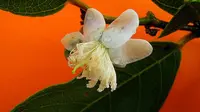
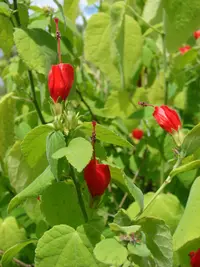
Wax mallow (Malvaviscus arboreus) is a tropical shrub in the mallow family, valued for its long-blooming, hibiscus-like flowers that stay partially closed. It typically forms a dense, branching shrub with glossy green leaves and red tubular blooms that attract hummingbirds and butterflies.

This species is native to warm regions from the southern United States through Mexico and Central America, where it often grows in woodland edges and bright understory sites. It is considered relatively easy to grow, as it tolerates heat, brief dry periods, and light pruning, which makes it forgiving for those learning how to care for wax mallow.

It generally prefers bright light, moderately moist but well-drained soil, and protection from hard frost in cooler climates.

Main Plant Requirements

Care Difficulty

Easy Care

Light Preference

Partial Sun

Water Requirements

Moderate Water

Temperature Preference

Tropical / Frost Sensitive

Hardiness Zone

8–11

Soil Texture

Sandy, Loamy, Organic-rich

Soil pH

Acidic (5.5–6.5), Slightly acidic (6.5–7.0)

Soil Drainage

Moist but well-drained

Fertilization

Light (every 4–6 weeks)

Get Personalized Care Plan

Scan your plant to receive care tips personalized for your specific plant

Available on iOS and Android

How to Care for the wax mallow

This shrub thrives in bright conditions but tolerates some shade, especially in hot climates.

  • Provide 4–6 hours of direct morning sun with light afternoon shade; strong late-day sun in hot zones can scorch leaves and fade blooms.
  • In warm regions, plant where it receives filtered light under high, open trees or on the east or north side of buildings for balanced exposure.
  • If stems elongate and flowering decreases, light is too low; gradually move wax mallow to a brighter spot over 1–2 weeks.

Malvaviscus arboreus prefers evenly moist but not saturated soil once established.

  • Water when the top 3–5 cm of soil feels dry, allowing deeper soil to stay slightly moist, especially during active growth and flowering.
  • Use well-drained soil; pooling water or a sour smell around roots indicates poor drainage and risk of root rot from overwatering.
  • In hot summer, leaves that droop and recover quickly after watering signal underwatering; in cooler months, extend the dry period between waterings.

This species grows best in warm, frost-free conditions with mild seasonal variation.

  • Aim for 65–85°F (18–29°C) for strong growth and flowering; growth slows noticeably below about 60°F (16°C).
  • It tolerates brief dips to 30–32°F (-1–0°C) with possible leaf damage, but repeated or hard frost can kill top growth or the whole plant.
  • In hot climates above 95°F (35°C), provide afternoon shade and mulch the root zone to moderate soil temperatures and reduce stress.

This species tolerates a wide humidity range but performs best with moderate ambient moisture.

  • Aim for 40–60% humidity; wax mallow usually adapts to typical indoor and outdoor levels in most homes and gardens.
  • Dry indoor air can cause slight leaf edge browning and slower growth, especially near heating or cooling vents.
  • Increase humidity by grouping plants, placing trays with water and pebbles nearby, or positioning the plant away from direct hot air drafts.

Malvaviscus arboreus prefers evenly moist, well-drained, fertile soil that does not stay waterlogged.

  • Use a loamy mix with high organic matter, such as garden loam blended with compost, to support steady moisture and nutrient availability.
  • Ensure free drainage by incorporating coarse sand or perlite at 20–30% of the mix, especially for container or heavy-clay situations.
  • Target a slightly acidic to neutral pH around 6.0–7.0, avoiding strongly alkaline soils that can reduce nutrient uptake and cause chlorosis.
  • Improve structure in compact or clay soils by adding well-rotted compost and fine bark, avoiding dense mixes that stay soggy or form hard crusts.

This shrub is suitable for container growing if the pot and medium manage its vigorous root system and top growth well.

  • Choose a wide, heavy container to counterbalance the shrub’s bushy, sometimes top-heavy canopy in windy or exposed spots.
  • Select a pot depth that allows a broad, fibrous root system to spread, typically at least 30–40 cm for mature outdoor specimens.
  • Use thick-walled terracotta or similar porous materials to moderate moisture swings and reduce the risk of sudden saturation after heavy rain or deep watering.

This shrub responds well to moderate feeding but does not need heavy fertilization for healthy growth.

  • Use a balanced, slow-release fertilizer (around 10-10-10) or well-rotted compost at the start of the growing season for wax mallow.
  • Feed every 6–8 weeks in spring and summer, skipping applications if growth and leaf color already look strong.
  • Apply granular fertilizer over moist soil, keeping it off stems, or use liquid feed at 1/2 recommended strength.
  • Stop feeding in late summer and avoid fertilizing during fall and winter dormancy to prevent weak, tender growth.

Thoughtful pruning helps Malvaviscus arboreus stay compact, flower well, and maintain a tidy shape.

  • Schedule main pruning for late winter or very early spring before vigorous new growth starts.
  • Use clean, sharp bypass pruners to remove dead, damaged, or crossing stems back to healthy wood.
  • Shorten overly long shoots to encourage bushier branching and more flowering points along the stems.
  • After the main flush, light trimming of spent or straggly tips can refine shape without stressing the plant.

This shrub is most often grown in the ground, but container plants or young specimens benefit from occasional transplanting.

  • Plan transplanting or repotting for early spring when new growth begins and temperatures are mild.
  • Look for roots circling the container, reduced vigor, or very quick drying soil as signs a move is needed.
  • Shift container plants into a pot 1–2 in wider, using a free-draining mix and keeping the root ball at the same depth.
  • Water thoroughly after planting, shade for a few days, and maintain even moisture to limit root stress while it re-establishes.

New plants are most commonly produced from softwood or semi-ripe stem cuttings, with seeds as a secondary option.

  • Take 8–12 cm softwood cuttings in late spring or early summer from healthy, non-flowering shoots.
  • Remove lower leaves, dip the cut end in rooting hormone, and place in a moist, well-drained mix under high humidity.
  • Maintain bright, indirect light and warmth around 70–80°F to encourage rooting within several weeks.
  • For seeds, sow fresh seed lightly covered in a warm tray and keep the mix evenly moist until germination.

This shrub is moderately cold tolerant but benefits from some protection in regions with freezing winters.

  • In USDA zones warmer than 8, established plants often survive light frosts with minimal damage.
  • Apply a 5–8 cm layer of mulch around the root zone in late fall, keeping mulch slightly away from stems.
  • In colder zones or harsh winters, cut back frost-damaged stems in spring and allow new shoots to emerge from the base.
  • Grow Malvaviscus arboreus in containers in cool climates and move indoors to a bright, frost-free area before hard freezes.

Care Tips

Train As Espalier

Install horizontal wires or a simple trellis and loosely tie new, flexible shoots along them to create a flat fan shape that keeps the plant compact, well-lit, and easier to harvest for cuttings.

Renewal Stem Thinning

Every 1–2 years, remove 1–3 of the oldest, woodiest stems at the base in late winter to stimulate dense new flowering growth and prevent the shrub from becoming bare and leggy inside.

Mulch For Root Comfort

Apply a 5–8 cm layer of composted bark or leaf mold over the root zone, keeping it a few cm away from stems, to stabilize soil moisture and temperature while gradually improving structure for long-term Malvaviscus arboreus plant care.

Heat-Stress Buffering

In very hot climates, use a temporary shade cloth or site the plant behind taller companions on its west side to reduce late-afternoon heat stress and limit bud drop during peak summer.

Systematic Pest Scouting

Inspect the undersides of leaves and new tips weekly, especially in warm, dry spells, and at the first sign of aphids or spider mites use a strong water spray or labeled insecticidal soap to prevent infestations from weakening flowering wood.

Common Pests and Diseases

Aphids

This pest feeds on tender new growth and flower buds, sucking sap and causing curling or distortion of leaves and reduced flowering. Symptoms include sticky honeydew on leaves, which can lead to sooty mold growth.

Solution

Rinse shoots and leaf undersides with a firm stream of water to dislodge colonies, then spot-treat remaining clusters with insecticidal soap or a light horticultural oil, repeating weekly until controlled. Encourage natural predators such as lady beetles by avoiding broad-spectrum insecticides and keeping plant diversity around the shrub.

Whiteflies

These insects gather on the undersides of leaves and fly up in a cloud when the plant is disturbed. Symptoms include yellowing leaves, slowed growth, and sticky honeydew that can support sooty mold.

Solution

Shake or tap branches to confirm activity, then use yellow sticky traps to reduce adult numbers and apply insecticidal soap or neem oil thoroughly to the lower leaf surfaces. Improve air movement around the shrub and avoid overfertilizing with high-nitrogen products, which encourages lush, soft growth that attracts whiteflies.

Spider mites

This pest is most common in hot, dry conditions and feeds by piercing leaf tissue, leading to fine stippling, dull foliage, and in heavier infestations, fine webbing between leaves and stems. Symptoms include premature leaf drop if the plant is stressed for a prolonged period.

Solution

Increase humidity around the plant and hose down foliage on both sides, focusing on the undersides of leaves to physically remove mites. For ongoing problems, use repeated applications of insecticidal soap or a miticide labeled for ornamental shrubs, applied in the early morning or evening to avoid leaf burn.

Cottony cushion scale

These insects attach to stems and leaf veins and appear as white, cottony, elongated masses, especially on older wood. Symptoms include weakened growth, yellowing leaves, and honeydew that can encourage sooty mold on this shrub.

Solution

Prune out and dispose of heavily infested twigs, then gently scrub remaining clusters from stems with a soft brush or cloth dipped in soapy water. Where needed, apply a light horticultural oil to thoroughly coat stems and branch crotches, timing applications for mild temperatures to avoid plant stress.

Sooty mold

This disease is a group of superficial fungi that grow on the sugary honeydew excreted by sap-sucking insects such as aphids, whiteflies, and scale. Symptoms include black, soot-like coating on leaves and stems that blocks light and reduces photosynthesis, making the plant look dirty and dull.

Solution

Address the underlying insect problem first by controlling aphids, whiteflies, or scale, then gently wipe or wash affected leaves with water to remove the black film. Improving air circulation and rinsing foliage during dry weather help keep leaf surfaces cleaner and reduce recurrence, which is a key part of Malvaviscus arboreus plant care.

Interesting Facts

Twisted hibiscus flowers

Its flowers stay permanently twisted and never fully open, unlike typical hibiscus relatives, which helps protect pollen and gives the bloom its distinctive “sleeping hibiscus” look.

Extended nectar resource

The long, narrow flowers produce accessible nectar over many hours of the day, making the shrub an important food source for hummingbirds and some butterfly species in its native range.

Shade-tolerant understory shrub

In the wild it commonly grows in the shaded understory of woodlands and scrub in Mexico and Central America, tolerating lower light than many other hibiscus relatives while still flowering reliably.

Botan icon

Did you know?

Indigenous and local communities in parts of Mexico and Central America have traditionally used its bright red flowers as a natural food coloring and beverage ingredient, steeping them to tint and flavor drinks in a similar way to related hibiscus species.

FAQs about wax mallow

Poor flowering usually comes from insufficient light, heavy pruning at the wrong time, or low nutrients. Avoid cutting new growth tips, feed lightly with a balanced fertilizer, and ensure several months of warm, bright conditions for bud formation.

Grow Healthy Plants with Botan Care

Keep your plants happy and healthy with plant identification, disease detection, and easy care guidance.

Botan plant care app — identify plants on mobile

Explore More Plants