Bulb spacing strategy
Plant bulbs in small drifts with 7–10 cm between bulbs to improve air flow, reduce foliar disease, and create a more natural-looking display.

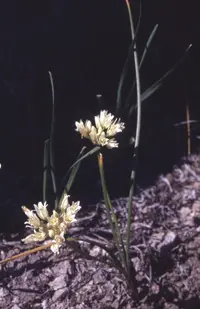
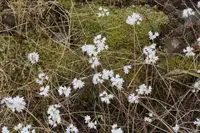
Textile onion (Allium textile) is a small, bulb-forming perennial from the North American Great Plains and dry rocky slopes. It belongs to the onion genus but is grown mainly as a wildflower rather than an edible crop. Plants form narrow, grasslike leaves and slender stems topped with loose clusters of white, starry flowers. The overall look is delicate but quite resilient in tough, open sites. Allium textile is adapted to dry, well-drained soils and full sun, which generally makes it undemanding in low-rainfall or xeric plantings. Understanding how to care for textile onion starts with providing strong light, lean soil, and avoiding prolonged wet conditions around the bulbs.

Care Difficulty
Easy Care

Light Preference
Full Sun

Water Requirements
Low Water

Temperature Preference
Cold Hardy

Hardiness Zone
3–8

Soil Texture
Sandy, Loamy, Rocky

Soil pH
Slightly acidic (6.5–7.0), Slightly alkaline (7.0–7.5)

Soil Drainage
Well-drained

Fertilization
Minimal (feed rarely)
Scan your plant to receive care tips personalized for your specific plant
Available on iOS and Android
This high plains bulb prefers strong sun to produce sturdy stems and flowers.
This species prefers dry, well-drained conditions and is sensitive to excess moisture.
This cold-hardy bulb is adapted to continental climates with hot summers and cold winters.
Humidity is not a significant factor for this drought-adapted bulb, which thrives in dry air.
Allium textile prefers mineral, fast-draining soil that dries quickly between waterings.
This species is suitable for container growing when the pot and medium stay sharply drained.
This drought-adapted bulb needs only light feeding in lean soils to support flowering.
Pruning Allium textile is minimal and focuses on tidiness and seed control rather than shaping.
This species is usually grown in the ground; transplanting clumps is only needed occasionally.
Allium textile is commonly propagated by bulb division and sometimes from seed in suitable sites.
This species is cold hardy in much of its native range and usually needs little winter attention in the ground.

Plant Health Check
Not sure what's wrong with your plant? Check your plant's health inside the app.
This species is naturally concentrated in dry shortgrass prairies and open rocky slopes of the central North American Great Plains, where it tolerates sparse, coarse soils that many other bulb plants cannot handle.
The bulbs are wrapped in a thin, papery outer layer that resembles fabric, which inspired the common name textile onion and helps reduce water loss and mechanical damage in its dry native habitats.
Its small white star-shaped flowers provide an early nectar and pollen source for native bees and other small pollinators in prairie ecosystems, contributing to local pollinator networks despite the plant’s modest size.

Allium textile is part of a species complex in the Great Plains that has challenged botanists, who historically misapplied its name to related white-flowered onions until detailed morphological and distribution studies clarified its true identity and range.
Lack of flowers usually comes from insufficient cold dormancy, too little sun in spring, or bulbs planted too shallow or crowded. Allow foliage to die back naturally, avoid excessive summer watering, and divide dense clumps every few years.
Keep your plants happy and healthy with plant identification, disease detection, and easy care guidance.