white rocklettuce Care (Pinaropappus roseus)

white rocklettuce

About white rocklettuce

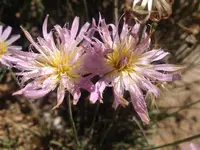
White rocklettuce (Pinaropappus roseus) is a small, taprooted perennial or annual wildflower in the daisy family. It produces slender stems topped with delicate, dandelion-like flower heads in soft pink to white tones.

This species is native to dry grasslands and open, often rocky sites in parts of North and Central America. It typically forms loose clumps rather than dense mats, giving a light, airy look in naturalistic plantings.

White rocklettuce tends to be undemanding where conditions match its native habitat, so it suits low-input, dry gardens and restoration projects. Light, well-drained soil and full sun generally support healthy growth, and understanding how to care for white rocklettuce starts with matching these conditions.

Main Plant Requirements

Care Difficulty

Easy Care

Light Preference

Full Sun

Water Requirements

Low Water

Temperature Preference

Warm Climate

Hardiness Zone

7–10

Soil Texture

Sandy, Loamy, Rocky

Soil pH

Slightly acidic (6.5–7.0), Neutral (7.0)

Soil Drainage

Well-drained

Fertilization

Minimal (feed rarely)

Get Personalized Care Plan

Scan your plant to receive care tips personalized for your specific plant

Available on iOS and Android

How to Care for the white rocklettuce

This sun-loving wildflower performs best in bright, open sites with moderate direct exposure.

  • Provide 6–8 hours of direct sun daily, ideally with gentle morning sun and light afternoon shade in hotter regions.
  • It tolerates light or dappled shade for part of the day, but flowering of white rocklettuce decreases if sun drops below about 4 hours.
  • In summer, protect from intense reflected heat and prolonged afternoon scorch; in cooler months, choose the sunniest spot available to support strong rosettes and blooms.

This species prefers infrequent, deeper watering that lets the soil dry slightly between soakings.

  • Allow the top 3–5 cm of soil to dry before watering, then moisten the root zone thoroughly rather than giving shallow sips.
  • Use well-drained, sandy or loamy soil so water does not stand around the roots; poor drainage quickly leads to root rot and weak growth in Pinaropappus roseus.
  • In cooler or rainy seasons, extend the interval between waterings and watch for limp, dull foliage as a sign of drought stress, or yellowing and a sour smell as signs of excess moisture.

This plant prefers mild to warm conditions and dislikes prolonged hard frost or extreme heat.

  • Optimal growth occurs around 60–75°F (16–24°C), with good flowering when days stay warm and nights are slightly cooler.
  • It can usually tolerate brief dips to about 25–28°F (-4 to -2°C), but repeated freezes or frozen soil can damage crowns and reduce next season’s performance.
  • During hot spells above 90°F (32°C), growth may slow; light afternoon shade and maintained soil moisture help prevent heat stress and premature die-back.

This species is adapted to dry climates and rarely needs special humidity management indoors or outdoors.

This shallow-rooted wildflower prefers light, free-draining soil that mimics open, dry grassland conditions.

  • Use a lean, sandy or sandy-loam mix with low to moderate organic matter to prevent waterlogging.
  • Aim for slightly acidic to neutral pH, around 6.0–7.2, which supports nutrient availability without stressing roots.
  • Blend in coarse sand or fine grit to improve aeration so water passes through quickly after irrigation or rain.
  • Avoid heavy clay, compacted areas, or mixes high in peat that stay wet for longer than 1 day after watering.

This species can be grown in containers if the pot and medium are managed to stay sharply drained and not overly rich.

  • Choose a wide, shallow container at least 20–25 cm across so the taproot and lateral roots can spread without circling tightly.
  • Use an unglazed terracotta pot when possible, as it allows faster evaporation and reduces the risk of chronic root wetness.
  • Elevate the container slightly on feet or blocks so drainage holes never sit directly in standing water after rain or irrigation.

This North American wildflower generally thrives in lean soils and needs little to no fertilization under garden conditions.

Pinaropappus roseus benefits from light, simple pruning to keep plants tidy and flowering well.

  • Cut back spent flower stems in late spring and summer to encourage continued blooming and prevent excessive self-seeding.
  • Remove any dead, diseased, or storm-damaged growth as soon as it appears, using clean, sharp scissors or hand pruners.
  • Thin crowded stems lightly at the base to improve air movement and maintain a balanced, upright clump.
  • Avoid heavy cutting into green basal rosettes, which can reduce vigor and next season’s flowering.

This species is usually grown in open ground, so care focuses on gentle transplanting rather than frequent repotting.

  • Transplant in early spring or early fall, when temperatures are mild and soil is evenly moist but not waterlogged.
  • Move plants only when needed, such as overcrowding or poor site choice, since established roots dislike major disturbance.
  • Lift with a wide soil plug to keep roots intact, handle the crown carefully, and replant at the same depth in well-drained soil.
  • Water thoroughly after transplanting, then keep soil lightly moist for 1–2 weeks to limit transplant shock and support new root growth.

Most home gardeners propagate this species from seed, which matches its natural life cycle and is reliable under simple conditions.

  • Sow fresh seeds in late fall outdoors so natural winter chilling (cold stratification) can break dormancy.
  • Alternatively, chill seeds in moist medium at 35–40°F for 4–6 weeks, then sow on the surface of a free-draining mix.
  • Provide bright light, good air flow, and only gentle, even moisture until seedlings establish strong root systems.
  • Transplant young plants while small, disturbing roots as little as possible to maintain fast establishment and healthy growth.

In most temperate climates, this hardy perennial needs minimal winter care once established in well-drained soil.

  • Plants tolerate light to moderate frost, but prolonged saturated, cold soil increases crown and root rot risk.
  • Apply a light, dry mulch layer (such as fine gravel or leaf mold) around, not over, the crown in late fall.
  • Container-grown plants in colder regions can be moved to a sheltered, unheated but frost-free spot for extra root protection.

Care Tips

Timed succession sowing

Stagger sowing every 2–3 weeks in spring to maintain continuous flowering and to identify which sowing window performs best in your local climate.

Support tall stems

In windy sites, place low, discreet twiggy branches or small ring supports around young plants so the tall, wiry flowering stems stay upright and do not kink at the base.

Encourage self-seeding

If you want naturalized patches, leave some spent flower heads on the plant until the seed pappus (the fluffy parachutes) expands, then let them fall in place or gently shake them over bare, lightly raked soil.

Targeted deadheading

For a neater look and prolonged bloom, regularly remove only the earliest spent flower stalks while allowing a few of the healthiest, later-season stalks to mature seed for growing white rocklettuce next year.

Dry-site weed control

In lean, open ground, use a thin (1–2 cm) mineral mulch such as grit or small gravel around crowns to reduce weed pressure without creating overly rich or damp conditions that favor competitors.

Common Pests and Diseases

Powdery mildew

This disease causes a white, powdery coating on leaves, stems, and flower stalks, often appearing during warm, dry periods with high humidity at night. Symptoms include distorted growth and reduced flowering.

Solution

Improve air circulation, avoid overhead watering, and remove heavily infected leaves to reduce spore spread. If needed, apply a sulfur or potassium bicarbonate fungicide labeled for ornamental composites, following label rates and treating early when the first white patches appear.

Leaf spot

This disease produces small brown to dark purplish spots on the foliage, sometimes with a yellow halo, especially in periods of prolonged leaf wetness. Symptoms include premature leaf drop and thinning of the plant.

Solution

Remove and discard affected leaves to lower the source of infection and avoid wetting foliage when irrigating. In sites with repeated problems, thin surrounding vegetation to increase airflow and consider a chlorothalonil or copper-based fungicide used preventively during extended wet weather.

Aphids

These insects cluster on tender stems and flower stalks, sucking sap and causing curling, yellowing, and distortion of new growth. This pest also produces sticky honeydew that can attract sooty mold and ants.

Solution

Dislodge colonies with a firm stream of water and remove heavily infested stems if practical. For persistent infestations, use insecticidal soap or a neem oil product, applied thoroughly to the undersides of leaves and growing tips, repeating as needed according to label directions.

Leaf miners

These insects create winding, pale tunnels inside the leaves as the larvae feed between the leaf surfaces. Symptoms include serpentine trails that can reduce photosynthesis and weaken stressed plants.

Solution

Remove and dispose of mined leaves as soon as trails are noticed to interrupt the life cycle. In larger plantings, use sticky traps to monitor adult activity and, if damage is significant, apply a systemic insecticide specifically labeled for leaf miners in ornamental plants, following local regulations and label instructions.

Rust

This disease shows as small orange to brown pustules on the undersides of leaves, sometimes matched by pale or yellow spots on the upper surface. Symptoms include gradual weakening of plants and reduced flowering in dense, humid stands when growing white rocklettuce outdoors.

Solution

Promptly remove and discard infected leaves and reduce crowding among plants to improve airflow and faster drying after rain or irrigation. In areas with frequent rust issues, apply a preventive fungicide labeled for rust on ornamentals at the first sign of pustules, rotating active ingredients to delay resistance.

Interesting Facts

North American native range

This species is native to the south-central United States and northern Mexico, where it typically grows in open prairies, calcareous grasslands, and disturbed roadside habitats.

Dandelion-like seed dispersal

Its flower heads mature into spherical clusters of dry fruits (achenes) each topped with a feathery pappus, which functions like a parachute and allows wind to disperse the seeds over considerable distances.

Specialist pollinator support

The pink to whitish flower heads provide nectar and pollen for a range of native bees and small pollinating insects that are adapted to open grassland environments, supporting local prairie pollinator networks.

FAQs about white rocklettuce

Young leaves and shoots are generally considered edible and have been used as a wild green, though they can taste slightly bitter. Always collect from clean, unsprayed areas and introduce small amounts first to check individual tolerance.

Grow Healthy Plants with Botan Care

Keep your plants happy and healthy with plant identification, disease detection, and easy care guidance.

Botan plant care app — identify plants on mobile

Explore More Plants