garden valerian Care (Valeriana officinalis)

Also known as: all heal, cat's valerian, garden heliotrope, common valerian, Common Valerian Complex
garden valerian

About garden valerian

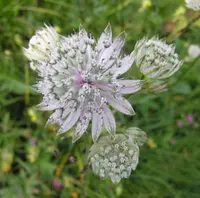
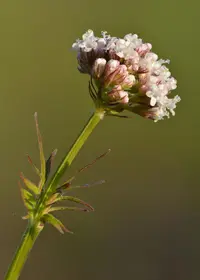
Garden valerian (Valeriana officinalis) is a hardy herbaceous perennial grown mainly for its aromatic roots and soft, feathery foliage. It forms upright clumps with hollow stems and bears loose clusters of small white to pale pink flowers in early to midsummer.

This species is native to Europe and parts of Asia but has naturalized in North America, especially in moist meadows and along stream edges. Once established, it can spread by seed and rhizomes, so it may need some containment in gardens.

It is generally easy to grow when given sun to light shade, consistently moist soil, and good drainage. Understanding how to care for garden valerian starts with providing a cool root zone and avoiding very dry or waterlogged sites.

Main Plant Requirements

Care Difficulty

Moderate Care

Light Preference

Full Sun

Water Requirements

Regular Water

Temperature Preference

Cold Hardy

Hardiness Zone

4–9

Soil Texture

Loamy, Silty, Organic-rich

Soil pH

Acidic (5.5–6.5), Slightly acidic (6.5–7.0)

Soil Drainage

Moist but well-drained

Fertilization

Minimal (feed rarely)

Get Personalized Care Plan

Scan your plant to receive care tips personalized for your specific plant

Available on iOS and Android

How to Care for the garden valerian

This perennial herb prefers consistent sun exposure but tolerates some shade, especially in hotter regions.

  • Provide 6–8 hours of sun daily, with morning sun and light afternoon shade ideal to protect leaves from scorching in hot summers.
  • Garden valerian grows well in full sun in cooler climates, but in warmer areas, use dappled or filtered light during the strongest midday sun.
  • In partial shade (around 3–4 hours direct sun), expect taller, looser growth; very deep shade leads to weak stems and reduced flowering.

This species prefers evenly moist, not soggy, soil throughout the main growing season.

  • Water when the top 3–5 cm of soil feels dry, aiming for consistently damp soil around the root zone without standing water.
  • In spring and early summer, monitor more often as active growth and rising temperatures increase water use for Valeriana officinalis.
  • Reduce watering frequency in late fall and winter, and watch for yellowing, limp foliage from overwatering or crisp, browning leaf edges from underwatering.

This hardy perennial tolerates a wide temperature range but grows best in mild conditions.

  • Optimal growth occurs around 60–75°F (16–24°C), with cooler nights helping support strong stems and root development.
  • Mature plants tolerate winter cold down to about 5–10°F (-15 to -12°C) in the ground, especially with mulch protecting the crown.
  • Heat above 85°F (29°C) can stress plants; provide afternoon shade and consistent soil moisture in hot spells, as extreme heat may reduce flowering.

This species grows well in average outdoor humidity and usually does not need special humidity control.

Valeriana officinalis prefers deep, loose, moisture-retentive but free-draining soil for strong root and rhizome development.

  • Use a loamy structure with plenty of organic matter, such as garden loam mixed with compost or well-rotted manure.
  • Aim for slightly acidic to neutral pH, around 6.0–7.0, avoiding strongly acidic or chalky ground that restricts nutrient uptake.
  • Improve drainage and aeration by mixing in coarse sand or fine grit where soil is heavy or tends to stay wet after rain.
  • Avoid compacted, waterlogged, or very shallow soils that limit root penetration and increase the risk of root rot.

This species can be grown in containers if given enough depth and stable moisture.

  • Choose a tall, heavy container at least 30–40 cm deep so the long taproot can extend without curling tightly.
  • Add a thick, even drainage layer over the holes to prevent soil loss while still allowing fast water escape.
  • Use a dense, weighty pot material such as ceramic to reduce tipping as the plant becomes tall and leafy.

This perennial herb needs only light feeding in typical garden soil, but responds to modest nutrition during active growth.

  • Apply a thin layer of compost or well-rotted manure in early spring to support strong shoots and flowering in garden valerian.
  • Use a balanced, slow-release fertilizer (around 10-10-10) once in spring, worked lightly into moist soil.
  • If using liquid feed, apply at half-strength every 4–6 weeks in the growing season, then stop feeding by early fall.
  • Avoid overfertilizing, which can cause weak, lush foliage and reduce root quality; monitor growth and leaf color.

Thoughtful pruning keeps Valeriana officinalis tidy, supports flowering, and limits self-seeding.

  • In late spring and summer, shear off spent flower stems after bloom to encourage a neater clump and reduce unwanted seedlings.
  • Remove dead, damaged, or weak stems at ground level using clean, sharp hand pruners to maintain plant health.
  • Thin crowded shoots in early spring to improve air circulation and reduce risk of foliar diseases.
  • Cut back old stems to near ground level in late fall or very early spring once foliage dies back.

This deep-rooted perennial is usually grown in-ground, so focus on careful transplanting rather than frequent repotting.

  • Transplant in early spring or early fall when temperatures are mild and top growth is reduced or just starting.
  • Move plants when growth slows, clumps become congested, or roots circle and press against container sides.
  • Choose a deep, well-drained site or pot, disturb the taproot as little as possible, and keep the root ball intact.
  • Water thoroughly after transplanting and shade lightly for a few days to reduce transplant shock and help roots re-establish.

Valeriana officinalis is commonly propagated by seed and division, allowing both natural reseeding and controlled planting.

  • Sow fresh seeds in fall or early spring on the soil surface or lightly covered, as light helps germination.
  • Keep seed trays or beds evenly moist at 60–70°F until seedlings appear, then thin or transplant carefully.
  • Divide established clumps in early spring or early fall, lifting and splitting sections with several buds and roots.
  • Replant divisions at the same depth in well-drained soil, water them in, and maintain moderate moisture until established.

This hardy perennial tolerates typical winters in most temperate regions and usually needs minimal special care.

  • In cold climates, allow foliage to die back naturally, then cut stems close to ground level after hard frost.
  • Apply a 5–8 cm layer of organic mulch over the root zone in late fall to buffer freeze–thaw cycles.
  • For container plants in very cold areas, move pots to a sheltered, unheated space or group and mulch around them.

Care Tips

Sturdy stem support

Install low, discrete stakes or a narrow pea fence early in the season so the tall, hollow stems stay upright and do not snap in summer wind or rain.

Self-seeding control

Deadhead spent flower heads promptly if you want to limit self-seeding, or leave only a few seed clusters on strong plants to renew the patch without it becoming invasive.

Root-harvest timing

For medicinal or aromatic use, harvest roots in late fall of the plant’s second year when top growth begins to die back, then wash, divide, and dry them in a single ventilated layer out of direct sun.

Patch rejuvenation

Every 3–4 years lift and divide crowded clumps in early spring, replant only the healthiest, firm root sections, and discard woody or diseased parts to maintain vigorous stands.

Targeted pest scouting

When caring for garden valerian, check the undersides of leaves weekly during warm, humid weather for aphids or leaf spot, and remove affected foliage promptly to prevent spread in dense plantings.

Common Pests and Diseases

Aphids

This pest feeds on tender shoot tips and flower stalks, sucking sap and causing curling, distortion, and sticky honeydew on leaves. Symptoms include slowed growth and deformed flower clusters, especially in young or lush plants.

Solution

Spray stems and undersides of leaves with a strong stream of water to dislodge colonies, then follow with insecticidal soap or a light horticultural oil, repeating weekly until populations drop. Encourage natural predators such as lady beetles and avoid high nitrogen fertilization that produces very soft, aphid-prone growth when planning Valeriana officinalis care.

Leaf spot

This disease causes small brown to dark-purple spots on leaves that may enlarge, merge, and lead to premature yellowing and drop of foliage. Symptoms include most severe damage in dense plantings and during extended periods of leaf wetness.

Solution

Remove and discard heavily spotted leaves and any fallen debris around the clump to reduce inoculum. Improve spacing and airflow, water at soil level instead of overhead, and if needed apply a labeled copper or chlorothalonil fungicide during prolonged wet weather, following product directions carefully.

Powdery mildew

This disease appears as a white to gray powdery coating on upper leaf surfaces and stems, often starting on lower, shaded leaves. Symptoms include reduced vigor, distorted leaves, and a general dull, grayish look to the foliage.

Solution

Thin crowded stems and nearby plants to improve air circulation and reduce humidity around foliage, and water early in the day so plants dry quickly. Remove badly affected leaves and, if conditions stay humid, use a sulfur or potassium bicarbonate fungicide labeled for powdery mildew, applying at the first sign of infection.

Root-knot nematodes

These microscopic roundworms attack the root system, causing knots or galls on roots and leading to stunted growth, poor flowering, and wilting during warm, dry periods despite adequate moisture. Symptoms include patchy decline in beds where some plants remain healthy and others stay small and weak.

Solution

Remove and destroy severely affected plants and their root systems, and avoid replanting garden valerian in the same exact spot for several years. Improve soil organic matter with compost, use resistant or nonhost cover crops in rotations, and consider soil solarization during hot months to reduce nematode numbers before replanting.

Slugs and snails

These pests chew irregular holes in leaves and young shoots, often leaving only midribs on tender seedlings. Symptoms include silvery slime trails on soil or pots and most damage appearing overnight in moist, shaded areas of the bed.

Solution

Hand-pick slugs and snails in the evening or early morning and use iron phosphate bait around clumps according to label directions. Reduce moist hiding spots by clearing plant debris, use coarse mulch or copper barriers around prized plants, and avoid overhead watering late in the day to make the habitat less favorable.

Interesting Facts

Specialized cat attraction

The roots release volatile compounds such as actinidine and valerena-1,10-diene that are chemically similar to those in catnip, so domestic cats often show strong attraction to dried root material of this species specifically.

Evening-scented flowers

The small, pale pink to white flowers emit a stronger, sweet scent at dusk, which helps attract nocturnal pollinators like moths that rely on fragrance more than color.

Extensive rhizome network

This species forms long, creeping rhizomes that allow stands to expand and persist for many years, making it a robust perennial in moist meadows and along stream banks.

Botan icon

Did you know?

In some temperate regions outside its native range in Europe and western Asia, Valeriana officinalis has naturalized so successfully in wet habitats that ecologists monitor it as a potential invasive species, because dense stands can displace local wetland plants and alter plant community structure.

FAQs about garden valerian

This species self-seeds freely and also spreads by short rhizomes. In favorable conditions it can form large clumps. Deadhead spent flowers and remove unwanted seedlings each season to prevent it from taking over smaller beds.

Grow Healthy Plants with Botan Care

Keep your plants happy and healthy with plant identification, disease detection, and easy care guidance.

Botan plant care app — identify plants on mobile

Explore More Plants