Canopy thinning
Lightly thin crowded inner branches after fruiting so air and light penetrate the canopy, which reduces fungal issues and helps fruit color and sweetness.


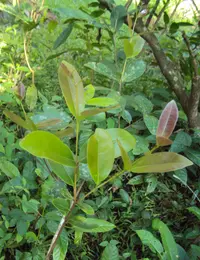
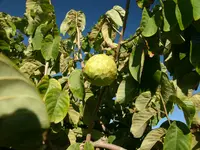
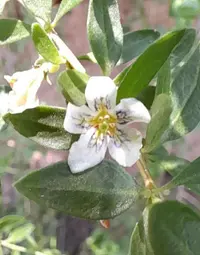
Watery roseapple, Syzygium aqueum, is a tropical evergreen fruit tree valued for its crisp, bell-shaped, watery fruits and glossy, dense foliage. It typically forms a small to medium tree with a rounded crown, making it suitable for warm-climate gardens and larger containers.
This species is native to Southeast Asia and thrives in hot, humid, frost-free regions. It prefers consistently moist, well-drained soil and benefits from good light, ideally bright sun to light shade.
Growth is generally fast where conditions are warm and water is reliable, but it can struggle in cool, dry, or windy sites. Gardeners who understand how to care for watery roseapple usually find it manageable, provided space, warmth, and moisture needs are met.

Care Difficulty
Moderate Care

Light Preference
Full Sun

Water Requirements
Regular Water

Temperature Preference
Tropical / Frost Sensitive

Hardiness Zone
10–12

Soil Texture
Loamy, Sandy, Organic-rich

Soil pH
Acidic (5.5–6.5), Slightly acidic (6.5–7.0)

Soil Drainage
Moist but well-drained

Fertilization
Light (every 4–6 weeks)
Scan your plant to receive care tips personalized for your specific plant
Available on iOS and Android
This tropical fruit tree needs abundant light with some protection from harsh midday sun.
This species thrives in consistently moist, well-drained soil without prolonged drying or waterlogging.
This tropical tree prefers warm, stable temperatures and is sensitive to cold and frost.
This species benefits from moderately high humidity to maintain healthy foliage and fruit set.
Syzygium aqueum prefers deep, moisture-retentive yet well-drained soil to support vigorous root and canopy growth.
This species can adapt to container growing when provided with a stable, well-drained pot setup.
Syzygium aqueum benefits from steady but moderate feeding to support foliage and fruit production.
Pruning Syzygium aqueum helps maintain a strong framework and productive canopy.
Syzygium aqueum is usually grown in the ground, so focus on careful transplanting or container upsizing when root-bound.
Syzygium aqueum is commonly propagated from semi-hardwood cuttings or seeds in warm conditions.
Syzygium aqueum is a tropical species with low frost tolerance, so winter protection is important in cool climates.

Plant Health Check
Not sure what's wrong with your plant? Check your plant's health inside the app.
The crisp, watery texture of the fruits comes from unusually large, thin‑walled cells that store significant water in the spongy flesh, which makes the fruit very refreshing but low in sugar compared with many other tropical fruits.
In its native range in Southeast Asia, this species often grows near streams and in seasonally waterlogged soils, showing good tolerance to short‑term flooding compared with many other fruit trees.
This species belongs to the Myrtaceae family, making it a close relative of clove, allspice, and eucalyptus, which explains its subtle aromatic compounds in leaves and flowers even though the fruit itself is only mildly fragrant.

In parts of Malaysia and Indonesia, the fruits are commonly used in rujak, a traditional fruit and vegetable salad, because their crisp texture and mild flavor hold up well to spicy, sour dressings without becoming mushy.
Lack of flowering is often due to insufficient light, young plant age, or excessive nitrogen fertiliser that promotes leaves over buds. Mild dry periods, balanced nutrients, and avoiding heavy pruning of tip growth support better bud formation.
Keep your plants happy and healthy with plant identification, disease detection, and easy care guidance.