Lycium ciliatum Care

Lycium ciliatum

About Lycium ciliatum

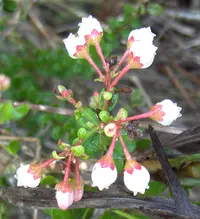
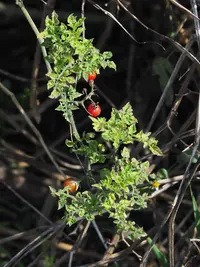
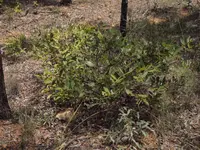
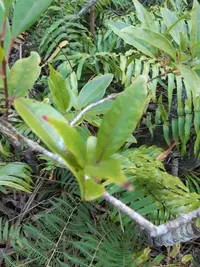
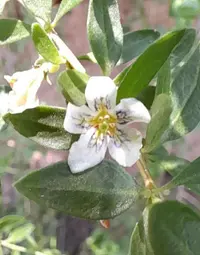
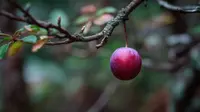
Lycium ciliatum is a woody shrub in the nightshade family, related to goji and other Lycium species. It typically forms a dense, thorny bush with small leaves and twiggy branches. Flowers are usually small and pale, followed by berry-like fruits that may attract wildlife. This species is native to arid and semi-arid regions, where it tolerates poor, dry soils and strong sun. Its natural toughness makes it suitable for low-maintenance, drought-tolerant plantings in similar climates. For gardeners who want to care for Lycium ciliatum, it usually prefers full sun, well-drained soil, and only occasional supplemental watering once established.

Main Plant Requirements

Care Difficulty

Moderate Care

Light Preference

Full Sun

Water Requirements

Low Water

Temperature Preference

Warm Climate

Hardiness Zone

9–11

Soil Texture

Sandy, Loamy, Rocky

Soil pH

Slightly acidic (6.5–7.0), Slightly alkaline (7.0–7.5)

Soil Drainage

Well-drained

Fertilization

Minimal (feed rarely)

Get Personalized Care Plan

Scan your plant to receive care tips personalized for your specific plant

Available on iOS and Android

How to Care for the Lycium ciliatum

This shrub prefers bright, open conditions similar to its native dry habitats.

  • Provide full sun for 6–8 hours per day; light morning and midday sun support dense growth and flowering for Lycium ciliatum.
  • Accepts light partial shade, especially with afternoon shade in very hot climates, but too much shade leads to weak, spindly stems and fewer flowers.
  • In summer, protect young plants from intense, reflected afternoon sun to reduce leaf scorch; in winter, choose the brightest, least-shaded site for strong seasonal growth.

This species is drought-tolerant and prefers infrequent, deep watering once established.

  • Allow the top 5–8 cm of soil to dry between waterings; the soil surface should feel dry and lighter in color before adding water.
  • Use sharply drained, sandy or gravelly soil so excess water runs off quickly; soggy soil and a sour smell indicate overwatering and root stress.
  • Reduce watering in cool seasons, only watering when leaves start to soften slightly; yellowing, dropping leaves with wet soil suggest excess moisture, while crisp, browning leaf tips signal underwatering.

This shrub handles a wide temperature range but grows best in warm, dry conditions.

  • Optimal growth occurs around 65–80°F (18–27°C), with strong vegetative growth in warm spring and summer conditions.
  • Mature plants usually tolerate cold down to about 15–20°F (-9 to -6°C); brief light frosts are acceptable, but prolonged hard freezes can damage young shoots.
  • Heat tolerance is good up to 95–100°F (35–38°C) if soil is well drained; in heatwaves, avoid added humidity and protect new plantings from hot, drying winds.

This shrub handles 30–60% humidity and generally does not need special humidity management.

  • Tolerates dry household air well as long as soil moisture is managed correctly.
  • Mild humidity stress shows as tip browning and faster leaf drop during hot, very dry weather.
  • If air is extremely dry and hot, reduce stress by mulching the soil surface to limit moisture loss.

This species prefers lean, well-drained, sandy or loamy soil that does not stay wet.

  • Use a mix of roughly 50–60% sandy or gritty mineral soil, 20–30% loam, and 10–20% coarse material such as perlite or small gravel for structure.
  • Ensure fast drainage; water should pass through the root zone quickly and not leave the soil soggy for more than a few hours.
  • Aim for slightly alkaline to neutral pH around 7.0–8.0, avoiding strongly acidic mixes rich in peat alone.
  • For Lycium ciliatum in containers, avoid dense, fine-textured mixes and incorporate coarse particles to improve aeration and reduce root rot risk.

This shrub is suitable for container growing when given a deep, stable pot with rapid drainage.

  • Select a pot at least 35–45 cm deep so the long taproot can develop without circling tightly.
  • Choose a heavier material such as clay or concrete to prevent the container from tipping as the woody top growth extends.
  • Raise the pot on feet or bricks so drainage holes never sit in collected runoff, keeping the root zone aerated.

This species is adapted to low-fertility soils and usually needs only light feeding in cultivation.

  • Use a balanced, slow-release fertilizer (around 10-10-10) or a thin layer of compost for Lycium ciliatum in spring.
  • Apply once at the start of the main growing season; avoid multiple heavy feedings.
  • Dilute liquid feeds to 1/2 strength if used instead of slow-release products.
  • Stop feeding in late summer so growth hardens before winter dormancy.

Pruning helps maintain structure, encourage flowering wood, and keep this shrub manageable in gardens.

  • Carry out main pruning in late winter or very early spring before active growth.
  • Remove dead, diseased, or crossing branches first, using clean, sharp bypass pruners.
  • Thin congested interior shoots to improve light penetration and air flow.
  • Lightly shorten overly long stems to control size while preserving flowering spurs.

This shrub is most often grown in the ground, with occasional transplanting when space or layout changes.

  • Transplant in late winter or early spring while the plant is still dormant for lower stress.
  • Look for signs such as restricted growth or circling roots if Lycium ciliatum is container-grown.
  • Move to a slightly larger hole or pot with well-drained, sandy or loamy soil kept at the original planting depth.
  • Water thoroughly after moving, then keep soil evenly moist but not saturated until new growth appears.

Gardeners typically propagate this species from semi-ripe cuttings or seed for new landscape plants.

  • Take semi-ripe cuttings in late summer, 8–12 cm long, from healthy, non-flowering shoots.
  • Insert cuttings into a free-draining, gritty mix and keep at 65–75°F with high humidity and bright, indirect light.
  • Sow cleaned seeds in spring in a sandy seed mix, just covered, and keep slightly moist.
  • Label batches clearly and discard any rotting material to limit fungal problems.

This shrub is generally cold hardy in temperate climates and needs only modest winter preparation outdoors.

  • It tolerates light to moderate frost, but young plants benefit from extra root insulation.
  • Apply a 5–8 cm mulch layer around the root zone, keeping it clear of the main stems.
  • In very cold regions, grow in containers and move to a sheltered, unheated but frost-free spot for winter.

Care Tips

Install strong support

Train young shoots onto a sturdy wire fence or trellis early, spacing ties 20–30 cm apart, so branches lignify in a stable framework that can carry the shrub’s eventual weight and thorns safely.

Use thorn‑safe handling

When pruning or harvesting, wear thick leather gloves and use long‑handled pruners, keeping a rigid trug or bucket nearby so thorny cuttings go straight into it and do not puncture bags or injure hands later.

Control basal suckers

Inspect the base of the plant 2–3 times per growing season and cut off any suckers or unwanted shoots at soil level to prevent the shrub from spreading aggressively into paths or neighboring plants.

Time structural pruning

Schedule any heavier structural pruning immediately after the main flowering and fruiting period so you remove old or congested wood while preserving the next season’s flower and berry production.

Monitor for mite stress

In hot, dry spells, check the undersides of leaves weekly for fine webbing or stippling from spider mites and, if present, hose foliage with a firm water spray and improve airflow rather than reaching first for chemical controls when growing Lycium ciliatum.

Common Pests and Diseases

Goji gall mite

This pest causes distorted, swollen shoot tips and buds, often with tight clusters of deformed leaves and reduced flowering or fruiting. Symptoms include witches’-broom type growth and stunted new shoots.

Solution

Prune out and dispose of all distorted shoots during dormancy or as soon as damage is noticed, disinfecting tools between cuts. For established infestations on plants grown outdoors, apply a sulfur-based miticide or horticultural oil at label rates just before bud break and repeat as directed, and avoid bringing in infested plant material when growing Lycium ciliatum near other goji species.

Leaf spot

This disease produces small brown to dark purple spots on leaves that may merge into larger blotches, sometimes leading to premature leaf drop. Symptoms include a thin yellow halo around spots under humid or rainy conditions.

Solution

Remove and discard affected leaves and any fallen debris around the base of the plant to reduce fungal spores. Improve air circulation with careful pruning, avoid overhead watering, and if spotting continues over several weeks, use a copper-based fungicide or chlorothalonil product labeled for ornamental shrubs, following all safety directions.

Powdery mildew

This disease appears as a white to gray powdery coating on upper leaf surfaces, young stems, and sometimes flower buds, leading to curling and reduced vigor. Symptoms include slower growth and dull, pale foliage on shaded or crowded plants.

Solution

Increase sun exposure where possible, thin dense growth to improve airflow, and water at the soil level rather than on the foliage. At first signs of infection, treat with a potassium bicarbonate, sulfur, or neem oil product labeled for powdery mildew, repeating at intervals suggested on the label until new growth remains clean.

Aphids

These insects cluster on tender shoot tips and the undersides of young leaves, sucking sap and causing curling or distortion. This pest also secretes sticky honeydew that can attract ants and lead to sooty mold on leaves.

Solution

Spray colonies off with a firm stream of water, repeating every few days until numbers drop. For persistent infestations, apply insecticidal soap or horticultural oil thoroughly to shoot tips and leaf undersides, and limit excess nitrogen fertilization that encourages very soft, aphid-prone growth as part of basic Lycium ciliatum care instructions.

Interesting Facts

Karoo dryland specialist

This shrub is native to arid parts of South Africa’s Karoo and Namaqualand, where it is adapted to shallow, stony soils and very low rainfall, often forming part of open dwarf shrubland on calcareous slopes.

Browse for wildlife

In its native range it is browsed by antelope and domestic livestock, especially in drier seasons, and can contribute to forage diversity in semi-arid rangelands when not overgrazed.

Spiny protective growth

The branches bear short spines that protect young shoots from herbivores and help the plant survive in heavily browsed, open landscapes.

FAQs about Lycium ciliatum

Lack of flowers usually results from too much shade, excessive nitrogen fertiliser, or heavy pruning at the wrong time. Ensure strong sun exposure, avoid overfeeding, and prune lightly after flowering so new flowering wood can develop.

Grow Healthy Plants with Botan Care

Keep your plants happy and healthy with plant identification, disease detection, and easy care guidance.

Botan plant care app — identify plants on mobile

Explore More Plants