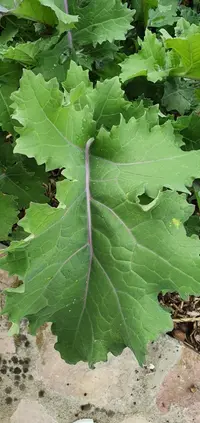
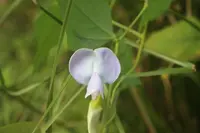
wild grape Care (Lannea edulis)

wild grape

About wild grape

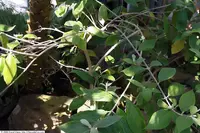
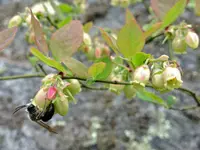
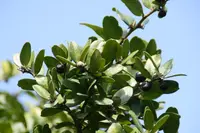
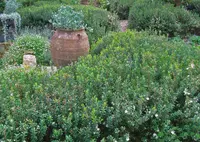
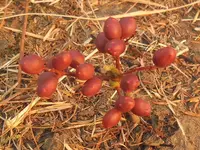
Wild grape, Lannea edulis, is a small deciduous shrub or low tree from savanna and woodland areas of southern and eastern Africa. It often forms clumps or thickets and produces fleshy, reddish to purple fruits that resemble tiny grapes. Leaves are usually clustered at the ends of short branches, giving the plant a compact, somewhat architectural look. It is adapted to seasonal drought and poor, sandy or rocky soils, which makes it relatively resilient in cultivation. For those who want to care for wild grape, the plant generally prefers bright light, well-drained soil, and moderate but not constant moisture.

Main Plant Requirements

Care Difficulty

Moderate Care

Light Preference

Full Sun

Water Requirements

Moderate Water

Temperature Preference

Tropical / Frost Sensitive

Hardiness Zone

11–12

Soil Texture

Sandy, Loamy, Rocky

Soil pH

Acidic (5.5–6.5), Slightly acidic (6.5–7.0)

Soil Drainage

Well-drained

Fertilization

Minimal (feed rarely)

Get Personalized Care Plan

Scan your plant to receive care tips personalized for your specific plant

Available on iOS and Android

How to Care for the wild grape

Lannea edulis prefers bright, open positions with strong light to fruit well.

  • Provide 6–8 hours of direct sun daily, ideally with morning sun and some light afternoon shade in very hot, dry regions.
  • It tolerates light partial shade, but plants in more than 3–4 hours of shade often become leggy and produce fewer fruits, especially wild grape stands.
  • In summer, protect young plants from intense, reflected midday sun; in cooler months, avoid shading that further reduces the short winter light period.

This drought-tolerant shrub prefers deep, infrequent watering rather than constant moisture.

  • Before watering, allow the top 5–8 cm of soil to dry; well-established plants in the ground may need water only after prolonged dry spells.
  • Choose sandy or loamy, fast-draining soil so water does not pool around the roots, which increases risk of root rot and leaf yellowing.
  • In the cool dormant season, reduce watering sharply, watching for wrinkled, drooping leaves as a sign the plant needs a thorough soak.

This species comes from warm climates and handles heat better than cold.

  • Best growth occurs around 70–90°F (21–32°C), with strong root and shoot development during the warm, wet season.
  • Mature plants often survive brief drops to about 30–32°F (-1–0°C), but young Lannea edulis can be damaged below 35°F (2°C).
  • Protect from repeated frost and cold, wet winds; in heat above 100°F (38°C), deeper soil moisture and some afternoon shade reduce stress and leaf scorch.

This drought-adapted species has low humidity demands and usually grows well in 30–50% household humidity.

  • Tolerates dry indoor air and does not require extra misting unless levels drop below 25%.
  • Low humidity stress may show as slightly curled, dull, or slow-growing leaves rather than dramatic wilting in wild grape.
  • If air is very dry, group plants together or place the pot on a pebble tray with water kept below the container base.

Lannea edulis prefers a fast-draining, slightly lean soil that mimics its native savanna conditions.

  • Use a gritty mix such as 40% cactus potting mix, 40% coarse sand, and 20% fine gravel or perlite for strong aeration.
  • Ensure water drains through freely within seconds; the root zone should never stay waterlogged or sticky.
  • Aim for slightly acidic to neutral pH around 6.0–7.0, avoiding strongly acidic or saline substrates.
  • Avoid heavy clay, peat-heavy, or compacted mixes; if soil clumps when squeezed, blend in more coarse sand or perlite to open the structure.

This species adapts well to container growing when given a stable, well-drained setup.

  • Choose a wide, relatively shallow pot to accommodate the woody root system without forcing deep, soggy soil layers.
  • Use a heavy terracotta or ceramic container to reduce tipping risk as top growth becomes woody and unevenly weighted.
  • Elevate the pot slightly on feet or blocks so drainage holes never sit in collected runoff, keeping the root collar dry.

Lannea edulis, often called wild grape, grows on poor soils and needs only light, targeted feeding in cultivation.

  • Use a balanced, slow-release fertilizer (around 10-10-10) or a thin layer of mature compost at the start of the warm growing season.
  • Feed once at the beginning of spring and, in richer soils, skip additional applications to prevent excessively soft growth.
  • Dilute liquid feeds to 1/2 strength if used, applying only to moist soil to avoid root burn.
  • Stop feeding in late summer so the plant can harden growth before cooler, semi-dormant conditions.

Lannea edulis responds well to light structural pruning aimed at keeping stems healthy and open.

  • Carry out main pruning in late winter or early spring, before active growth begins.
  • Remove dead, diseased, crossing, or storm-damaged branches with clean, sharp bypass pruners.
  • Thin crowded interior shoots to improve air flow and light penetration, encouraging sturdier new growth.
  • Limit pruning to shaping and clearance cuts so natural form and flowering display are maintained.

This species is usually grown in the ground, so management focuses more on careful outdoor transplanting than on frequent repotting.

  • Transplant young plants at the start of the rainy season or in mild spring weather to reduce water stress.
  • Look for circling roots, roots emerging from drainage holes, or stalled growth as cues a container plant needs a larger pot or ground planting.
  • Move the plant with as much intact root ball as possible, disturbing roots minimally and planting at the same depth as before.
  • Water deeply after transplanting and shade lightly for 7–10 days to limit shock while new roots establish.

Lannea edulis can be propagated, but success depends on warm conditions and patience.

  • Sow fresh seeds in late spring in a warm, well-drained sandy mix, keeping the surface just lightly moist.
  • Provide bottom warmth around 70–80°F to speed germination and reduce the risk of rot.
  • Take semi-hardwood cuttings in late spring or early summer, using a rooting hormone and very free-draining medium.
  • Maintain high humidity around cuttings with bright, indirect light and good air movement to prevent fungal problems.

Lannea edulis comes from warm climates and needs protection wherever winters are cool or frosty.

  • In regions below about 30°F, grow in a container and move indoors to a bright, frost-free room for winter.
  • Use a 5–8 cm layer of dry mulch over the root zone in the ground to buffer short cold spells.
  • Avoid winter overwatering; keep soil just barely moist to limit root rot in cool conditions.

Care Tips

Root-space management

Use a wide, shallow container or raised bed rather than a deep narrow pot to accommodate the plant’s spreading root system and repot only when roots reach the container edge to avoid unnecessary transplant stress.

Low-branch training

While stems are still flexible, gently spread and peg young shoots outward using soft ties or horticultural pegs to create a low, open framework that improves light penetration and fruiting potential.

Dry-season hardening

In late spring, gradually extend the interval between waterings over 3–4 weeks to help the plant develop deeper, more drought-resilient roots before peak summer heat.

Calcium-rich mulch use

Apply a thin layer of crushed, untreated hardwood twigs or coarse, mineral-rich gravel as mulch to stabilize soil temperature and slowly add trace minerals without making the soil overly rich.

Targeted pest scouting

Inspect new growth and leaf undersides every 1–2 weeks for scale insects and aphids, and if found, prune heavily infested twigs and follow with a directed application of horticultural soap for more precise caring for wild grape.

Common Pests and Diseases

Scale insects

This pest feeds on stems and younger shoots, sucking sap and causing yellowing, stunting, and poor new growth. Symptoms include small, hard, brown or gray bumps tightly attached to twigs and undersides of leaves, often with sticky honeydew on surfaces below the plant.

Solution

Prune out heavily infested twigs and destroy them. For lighter infestations, wipe stems with a cloth dipped in diluted alcohol or insecticidal soap, then repeat every 7–10 days until new growth appears clean; in dry climates, maintaining plant vigor through correct watering helps the shrub outgrow minor damage.

Leaf spot

This disease causes small brown to dark purple spots on leaves that may merge into larger patches, leading to premature leaf drop in wet, warm conditions. Symptoms include irregular lesions often starting on lower, older leaves where moisture lingers longer.

Solution

Remove and discard affected fallen leaves and any badly damaged foliage still on the plant to reduce fungal spores. Improve air circulation around the shrub, avoid wetting the foliage when watering, and apply a copper- or chlorothalonil-based fungicide during extended wet periods if spotting continues to spread.

Stem canker

This disease produces sunken, darkened areas on stems and branches, sometimes with cracking bark and dieback of shoots above the affected point. Symptoms include sudden wilting or drying of individual branches despite otherwise adequate soil moisture.

Solution

Cut out affected branches at least 10–15 cm below visible damage, sterilizing pruning tools between cuts with alcohol or a 10% bleach solution. Support recovery by avoiding wounding, preventing water stress, and keeping the area around the base free of plant debris that can harbor the causal fungi; in recurrent cases, a targeted fungicide drench on pruning wounds may be considered.

Leaf-feeding caterpillars

These insects chew irregular holes in foliage and may strip young leaves on small shrubs, slowing growth and affecting plant shape. Symptoms include skeletonized leaves, frass pellets on leaves or at the base, and folded or webbed leaves sheltering the larvae.

Solution

Hand-pick caterpillars in the early morning or evening and remove any rolled or webbed leaves hiding larvae. In heavier infestations, use a biological treatment containing Bacillus thuringiensis (Bt) directed at the foliage, applying in the late afternoon and repeating according to label instructions while monitoring for new feeding damage.

Interesting Facts

Dwarf woodland shrub

Lannea edulis is a low, sometimes almost prostrate shrub that typically grows only 15–60 cm tall, forming small thickets in open woodland and grassland rather than developing into a tree like many other Lannea species.

Edible wild fruits

The plant produces small, oval, reddish to purplish fruits with a fleshy, slightly sweet-sour pulp that is eaten fresh by local people in many parts of southern Africa.

Seasonal leaf behavior

In much of its range, Lannea edulis behaves as a deciduous or seasonally dormant shrub, often losing leaves and retreating to a woody rootstock during the dry or cold season, then resprouting vigorously with the return of rains and warmth.

Botan icon

Did you know?

In some southern African regions, Lannea edulis is among the first woody species to flower at the end of the dry season, with its inflorescences sometimes appearing on bare stems before new leaves, providing an early nectar and pollen source for insects when few other plants are in bloom.

FAQs about wild grape

The small red to purple fruits are edible when fully ripe and are often eaten fresh or used in jams. The tart flavor varies by plant. Roots and bark are not typically eaten and may be irritating.

Grow Healthy Plants with Botan Care

Keep your plants happy and healthy with plant identification, disease detection, and easy care guidance.

Botan plant care app — identify plants on mobile

Explore More Plants